
Photographing the Maroon Bells: Tips from a Local Photographer
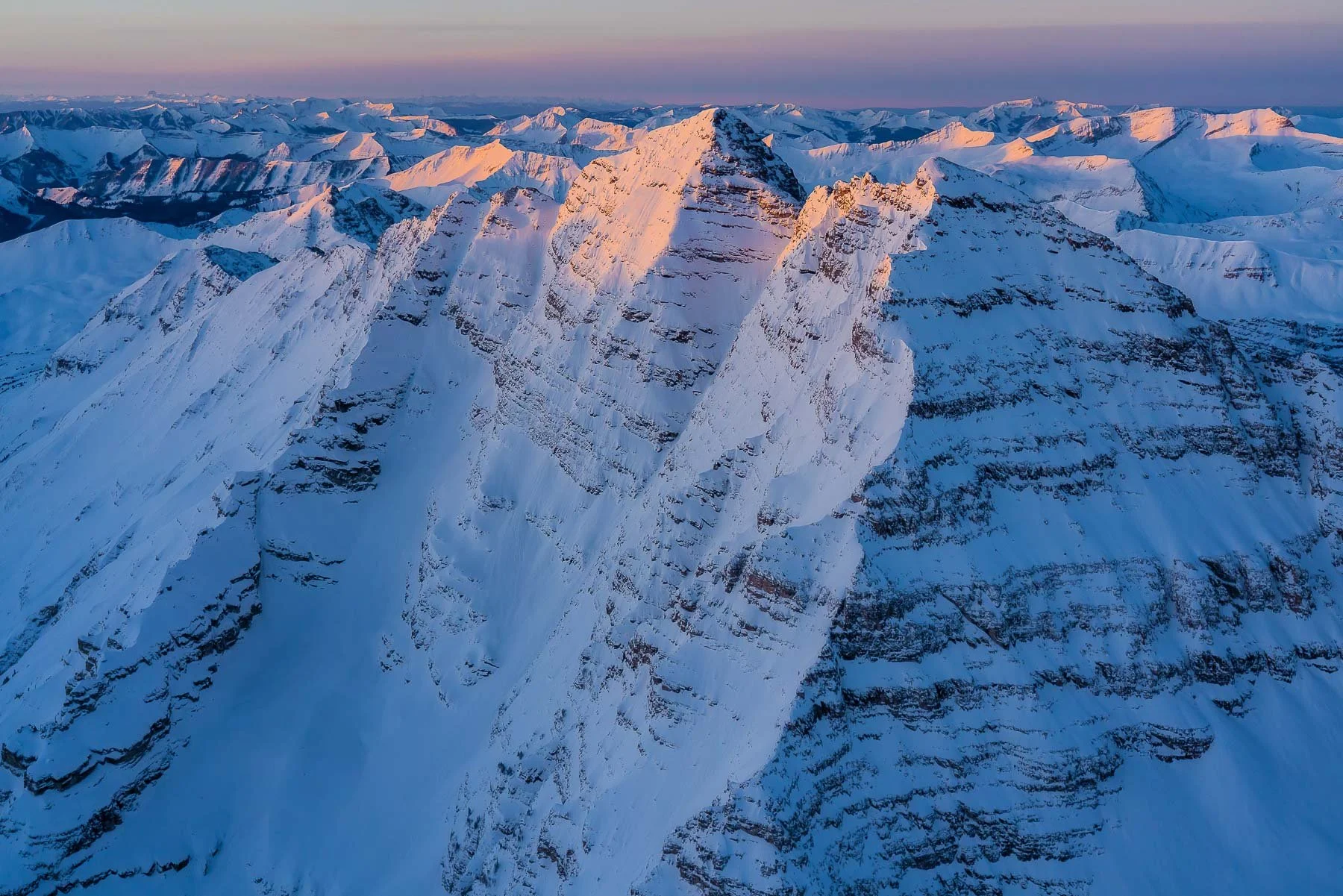
The Maroon Bells are among the most famous and photographed mountains in North America. Their dramatic twin peaks rising above Maroon Lake create one of the most recognizable landscapes in the Rocky Mountains. For photographers visiting Colorado, capturing an image of the Maroon Bells is often high on the list.
What makes this scene so iconic is the way the valley naturally frames the mountains. When conditions are calm, the reflective surface of Maroon Lake mirrors the peaks, creating a nearly symmetrical composition. In autumn, the surrounding aspen forests turn brilliant shades of gold, making the Maroon Bells one of the most celebrated destinations for Colorado mountain photography.
But photographing the Maroon Bells today is slightly different than it used to be.
Reflections in Maroon Lake
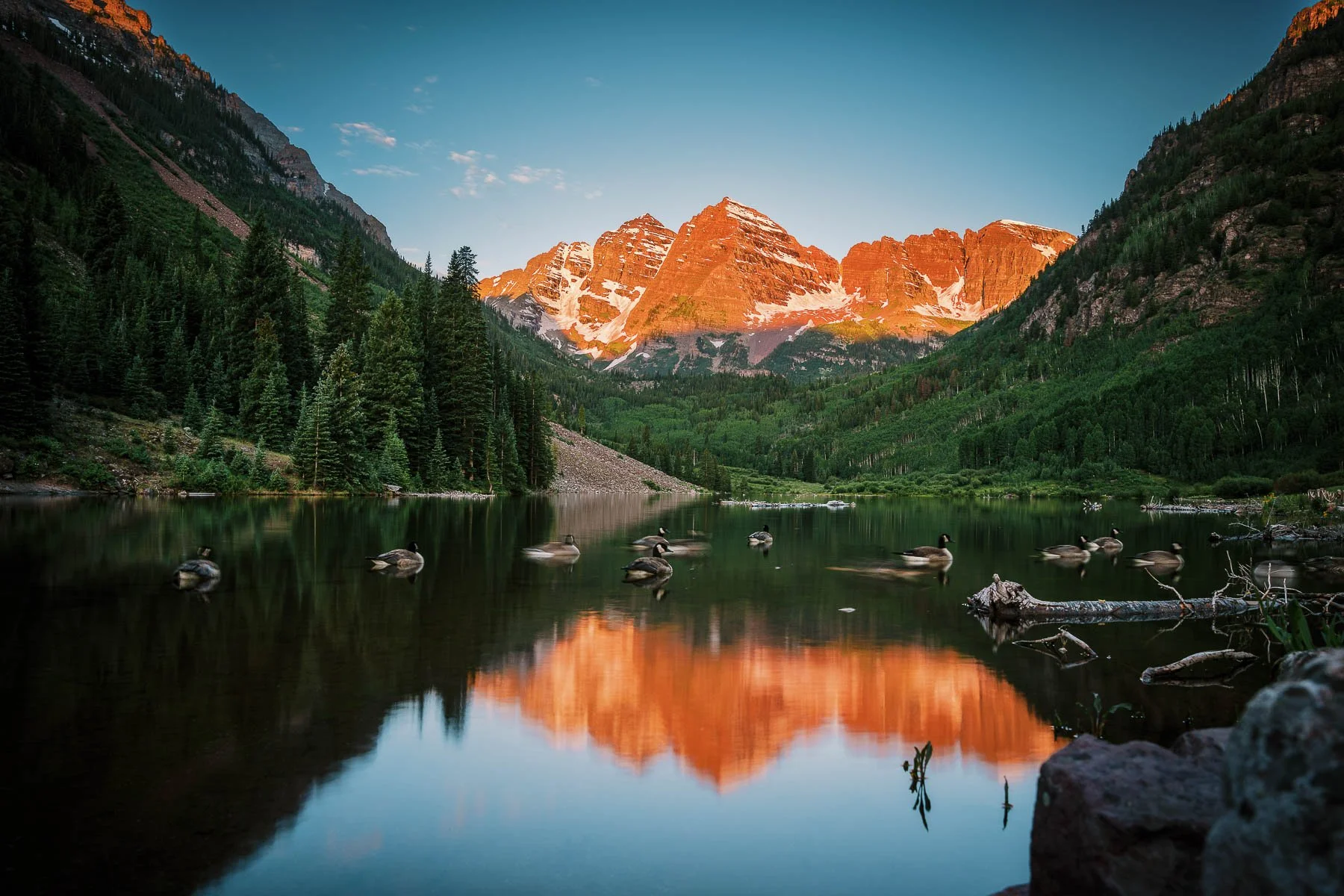
Sunrise reflection of the Maroon Bells peaks in the summer
Many classic photographs of the Maroon Bells show photographers standing right along the shoreline capturing the perfect reflection in Maroon Lake. In recent years, however, ropes have been installed around portions of the lake to protect the fragile alpine environment.
Because of these closures, the traditional reflection viewpoint is not as accessible as it once was.
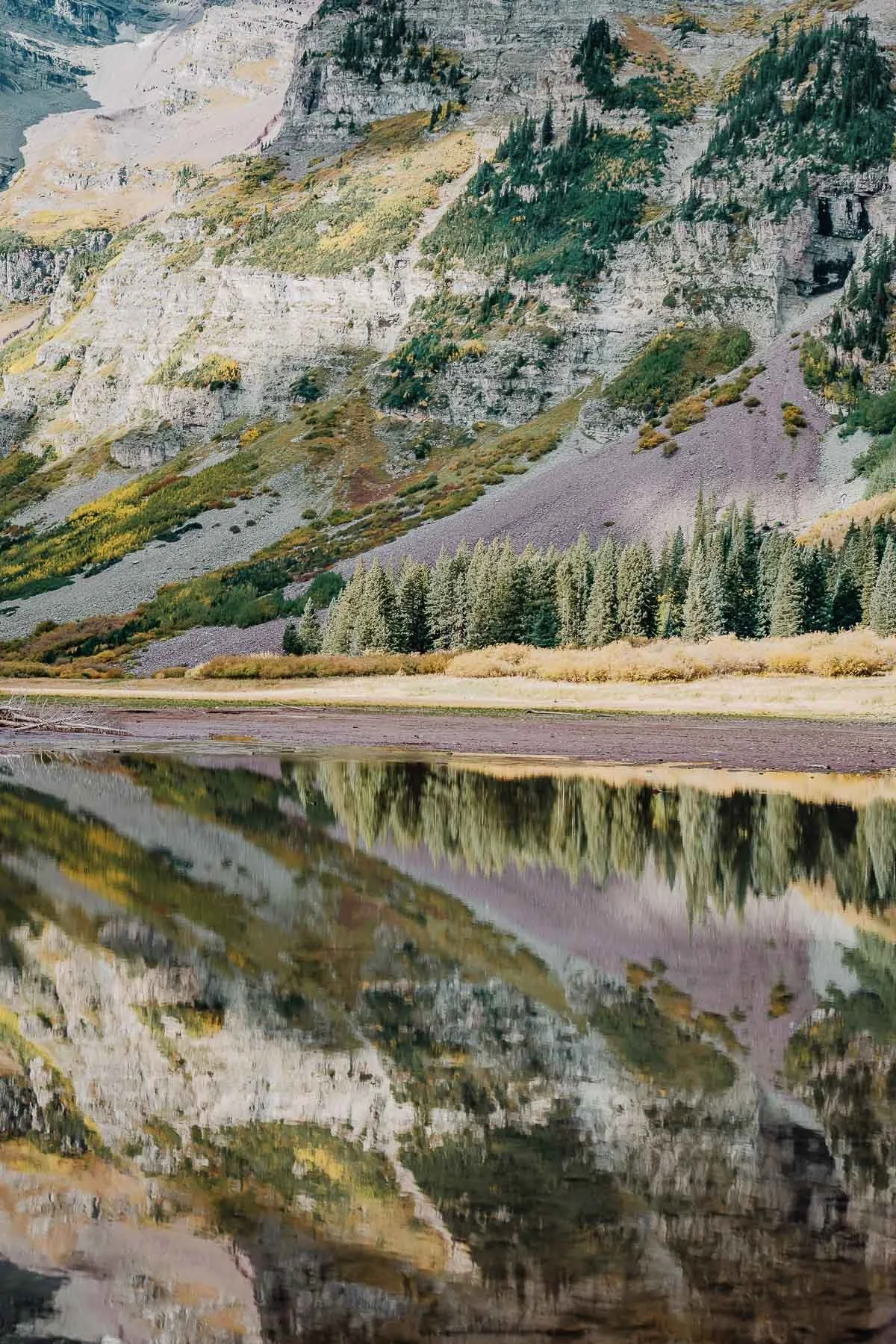
The best chance of capturing reflections typically occurs in late spring or early summer, when snowmelt fills the lake and water levels are highest. During this time the lake surface is often calm and reflective.
By the time fall arrives and the aspen trees turn gold, water levels are often lower and access to the shoreline is more restricted.
If you see photographs taken from beyond the protected areas during this time, it likely means someone crossed the ropes and ignored the rules. Photographers should never damage or disrespect a landscape simply to capture a photograph.
Nature is far more valuable than any image.
Best Light for Photographing the Maroon Bells
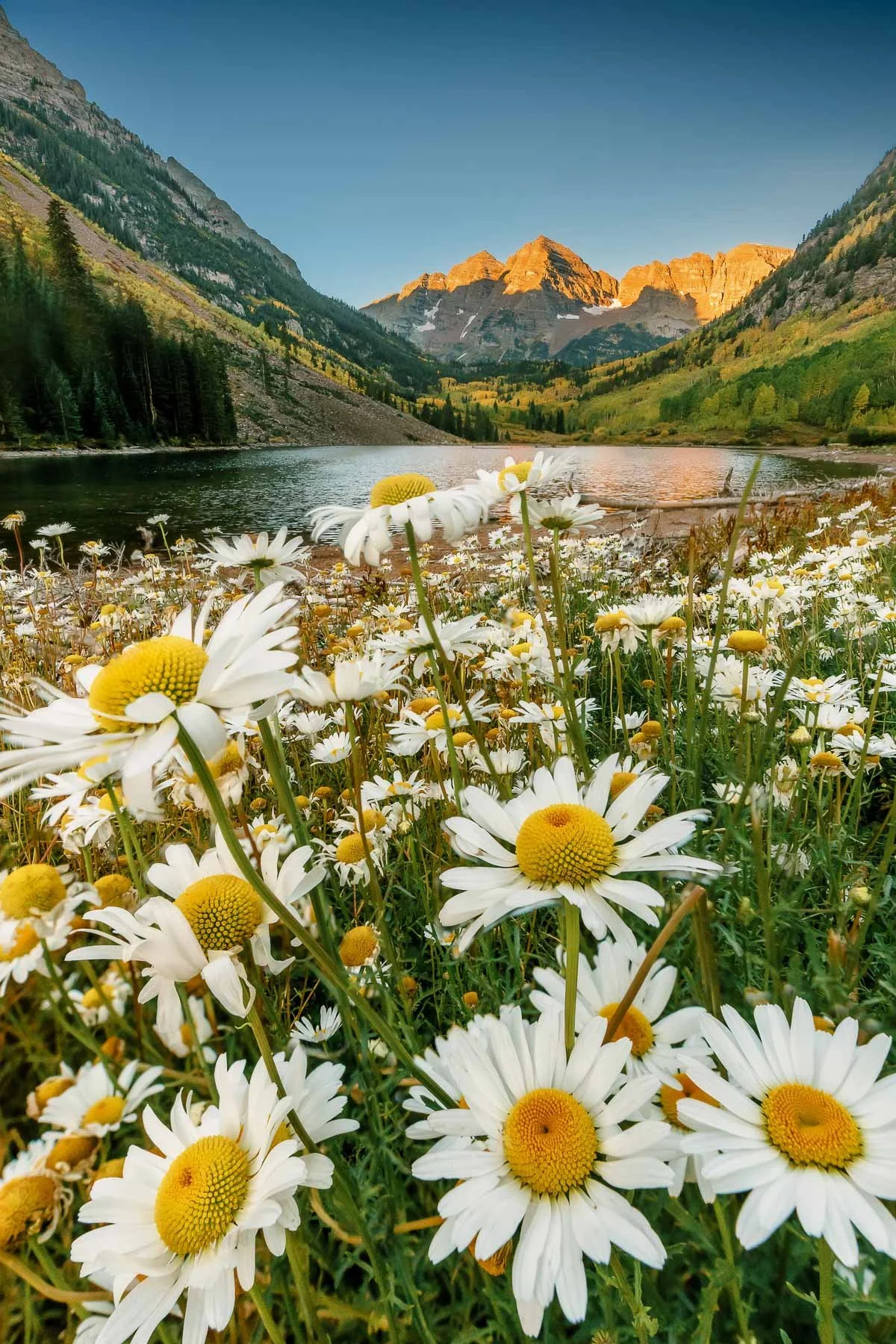
Early fall at the Bells - low water levels for the reflections but plenty of other beautiful angles
If you want to capture the iconic orange glow on the peaks, sunrise is the best time to photograph the Maroon Bells.
During the early morning hours, the first sunlight touches the peaks while the surrounding valley remains in shadow. This creates the warm alpenglow that photographers love.
Because the Maroon Bells face east, sunrise light illuminates the mountains directly, making early morning the most reliable time for dramatic light and reflections.
Look Beyond the Classic View
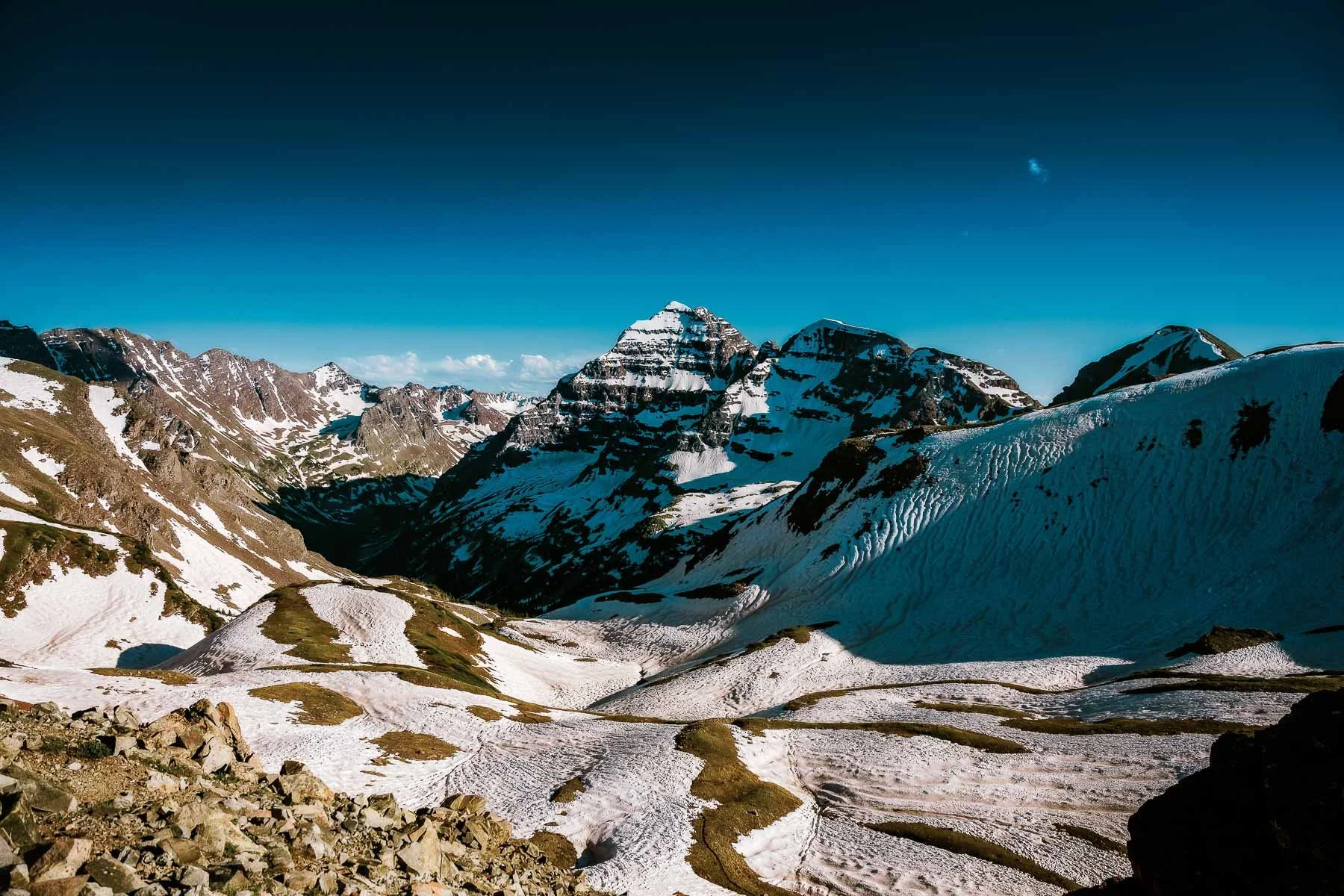
A different viewpoint of Maroon Bells from the surrounding trails
While the reflection in Maroon Lake is the most recognizable photograph of the Maroon Bells, photographers should also explore other perspectives.
The road leading toward the Maroon Bells offers several viewpoints where both Maroon Peak and Pyramid Peak can be photographed from unique angles.
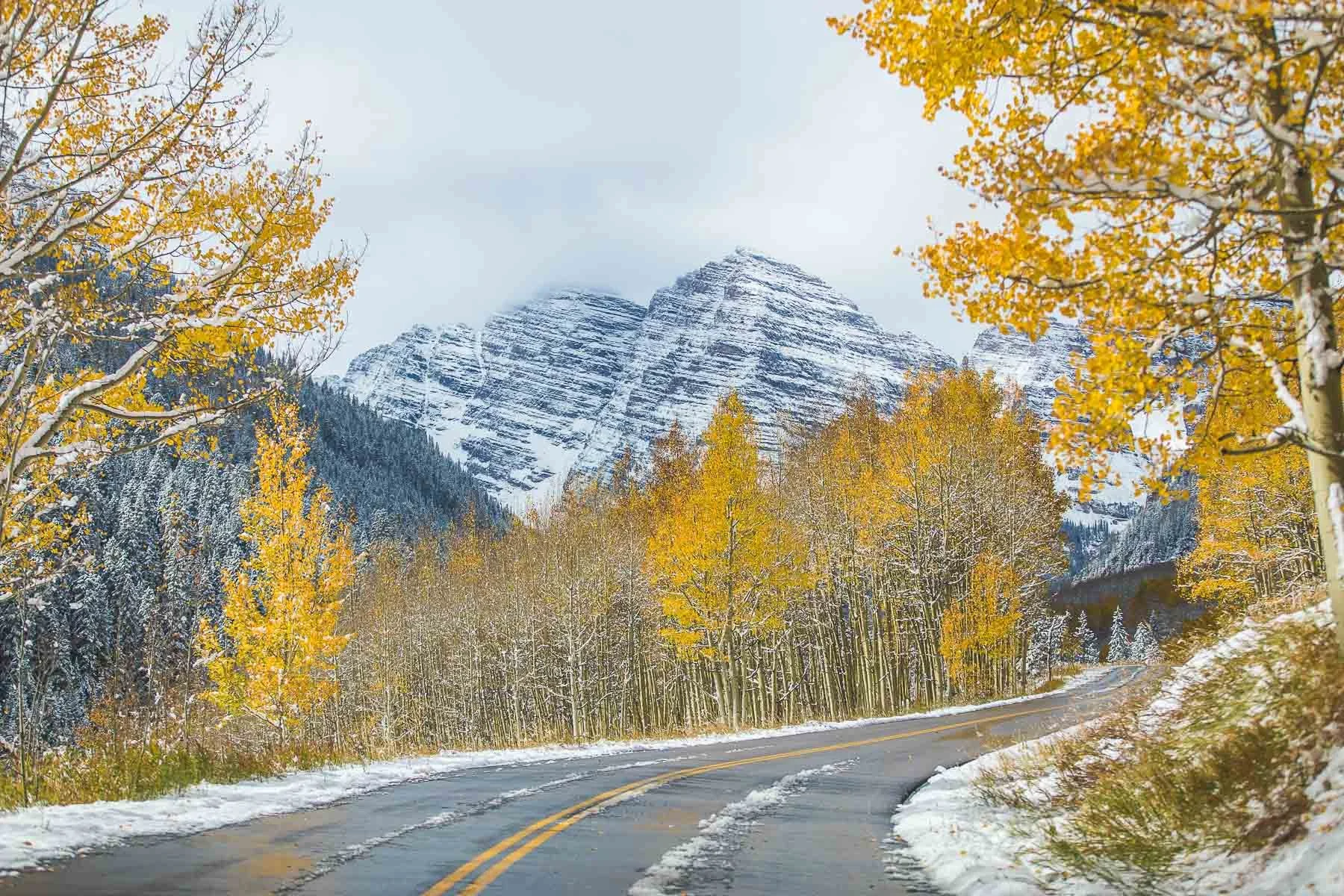
Road to Maroon Bells
If you are standing at the lake, it’s also worth turning around. The mountain known as Willows rises behind the lake and provides equally dramatic scenery that many visitors overlook. In certain light, the slopes of Willows and the surrounding landscape can create powerful compositions that are just as striking as the Bells themselves.
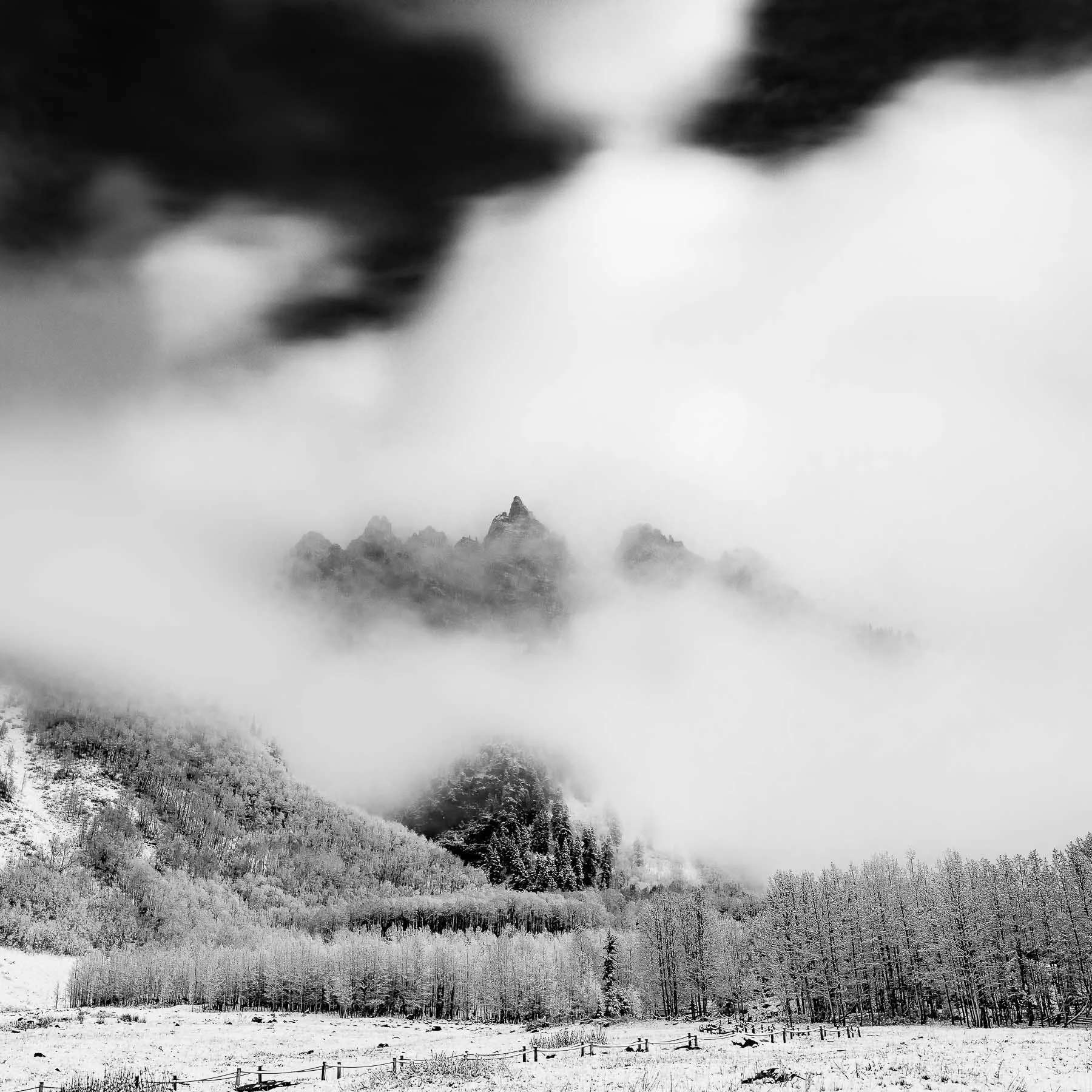
The view of Willows from the lake
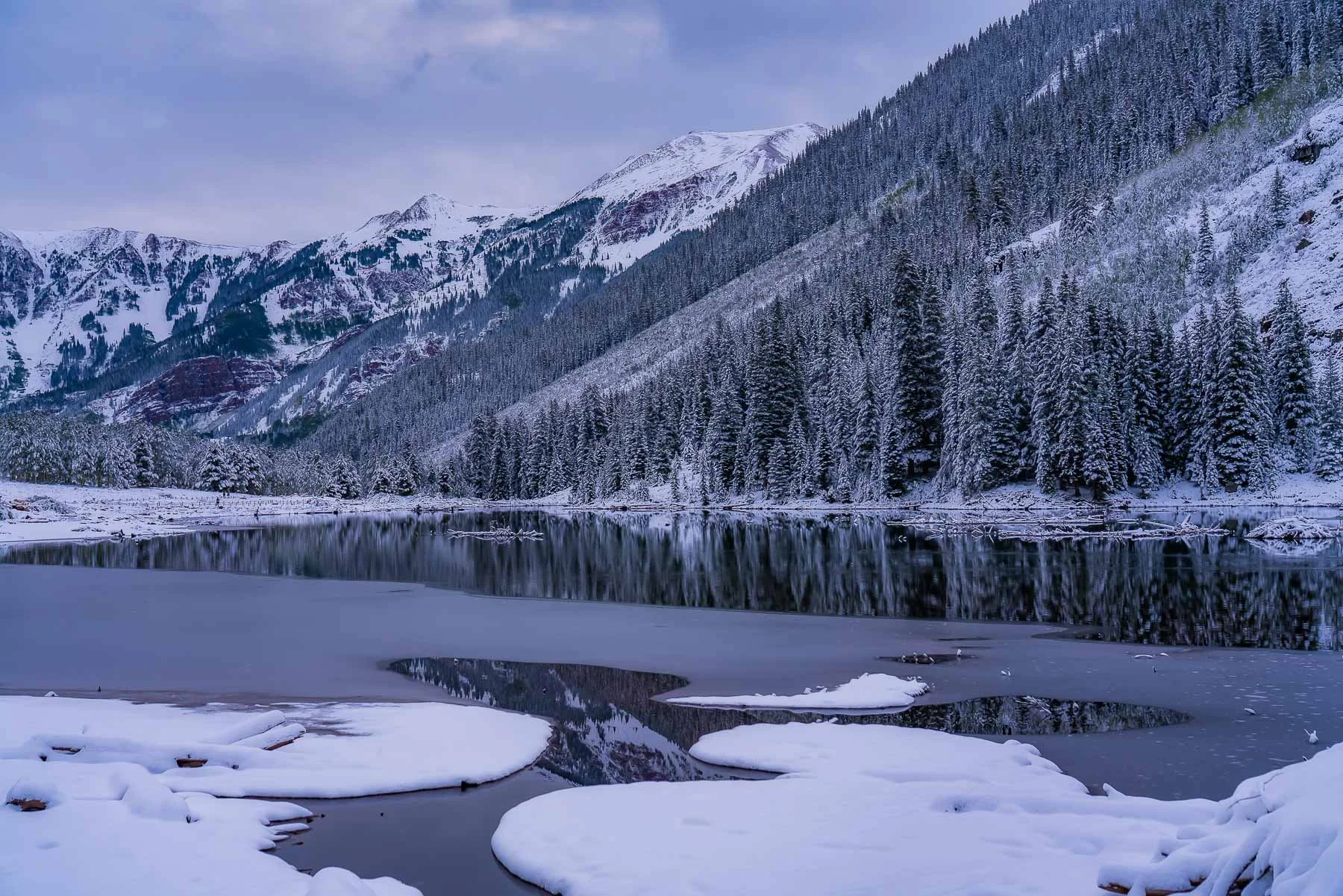
The view from the opposite side of the lake
Some of the most interesting photographs come from simply looking in a different direction.
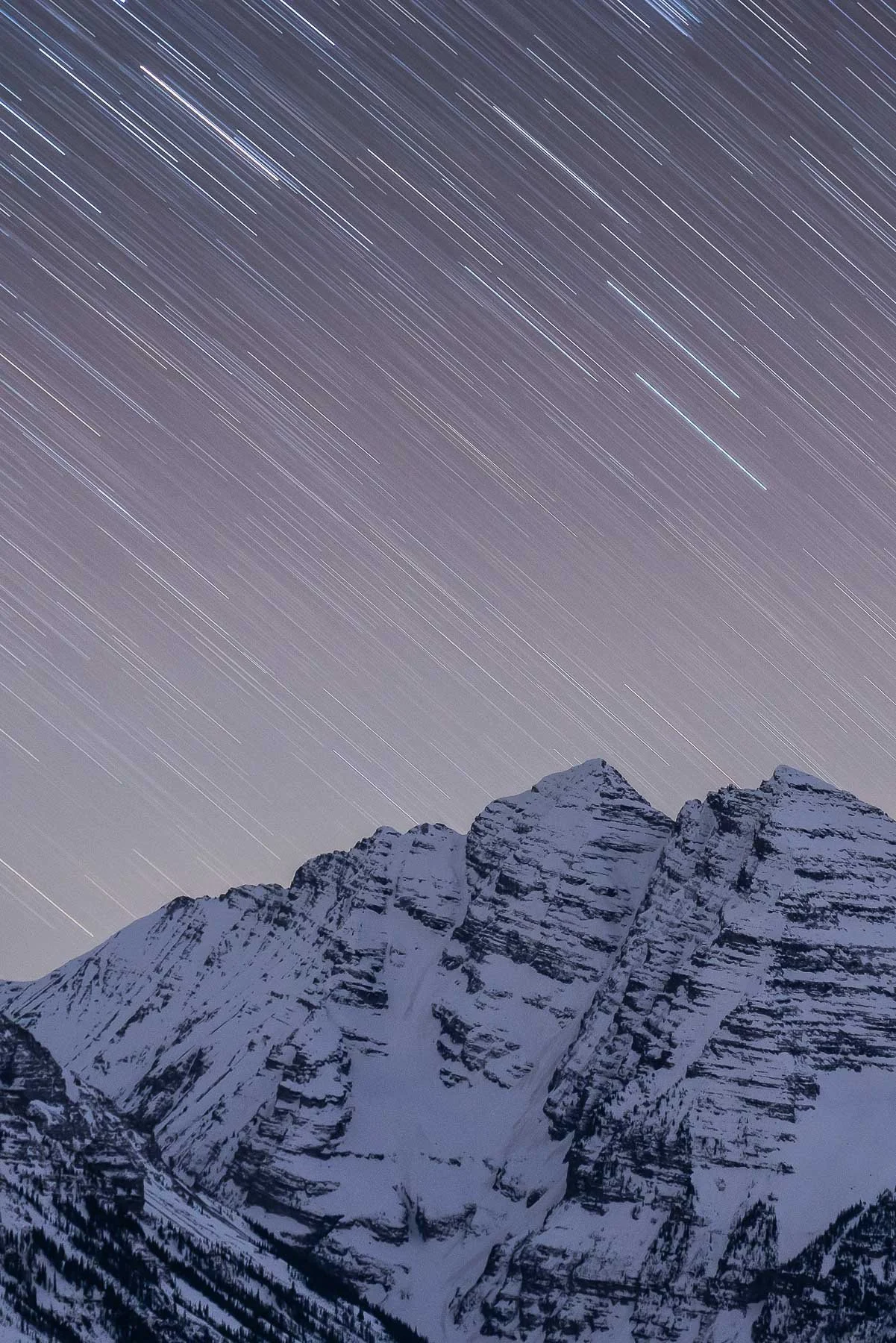
Focusing on the peaks without the need of adjacent scenery
Views of the Maroon Bells from Snowmass and Aspen Highlands
Another way to photograph the Maroon Bells is from higher vantage points across the valley.
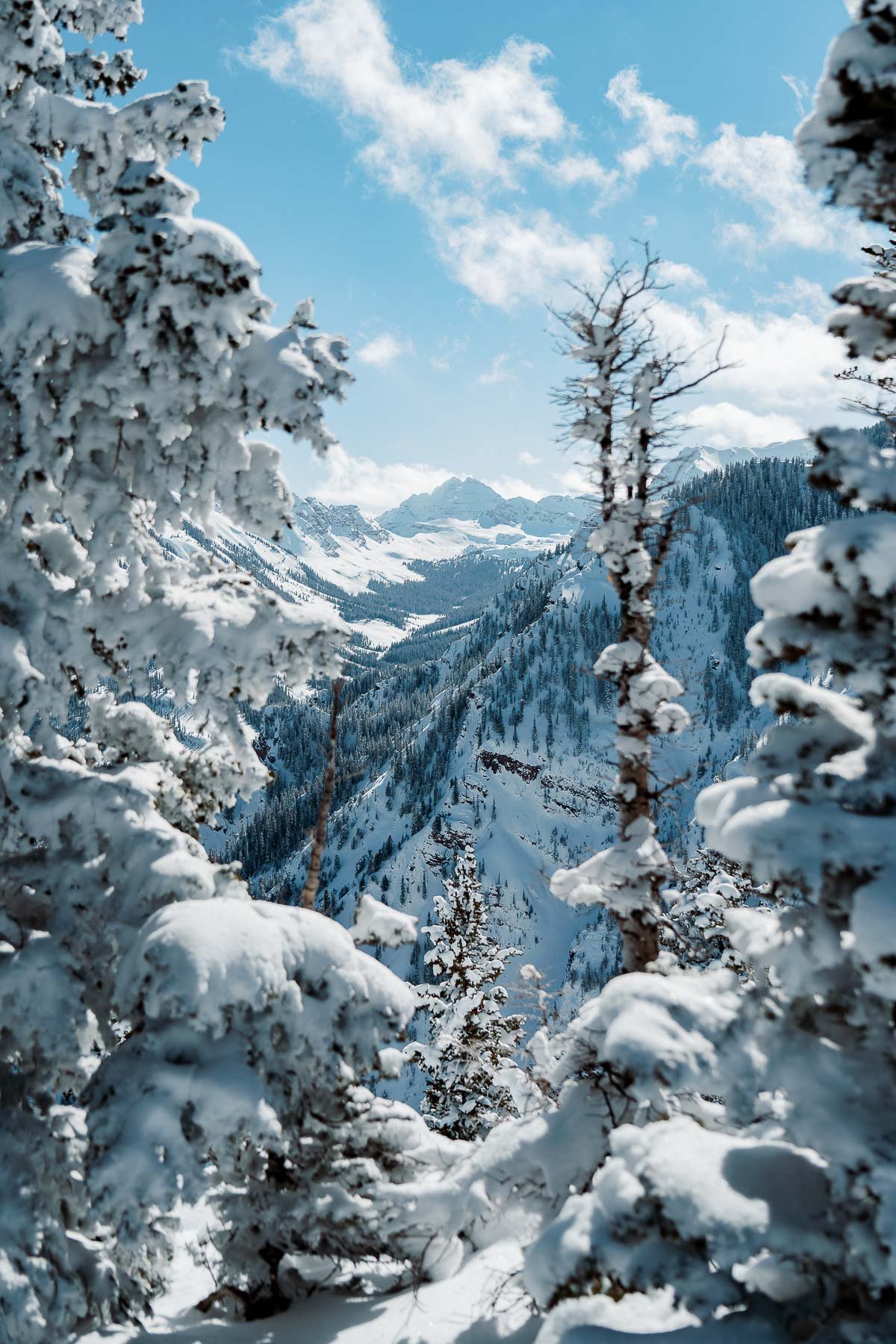
From Elk Camp in Snowmass, the peaks appear in the distance framed by layers of ridgelines and forests. These perspectives often reveal the broader scale of the Elk Mountains and can produce more unique compositions than the classic lake view.
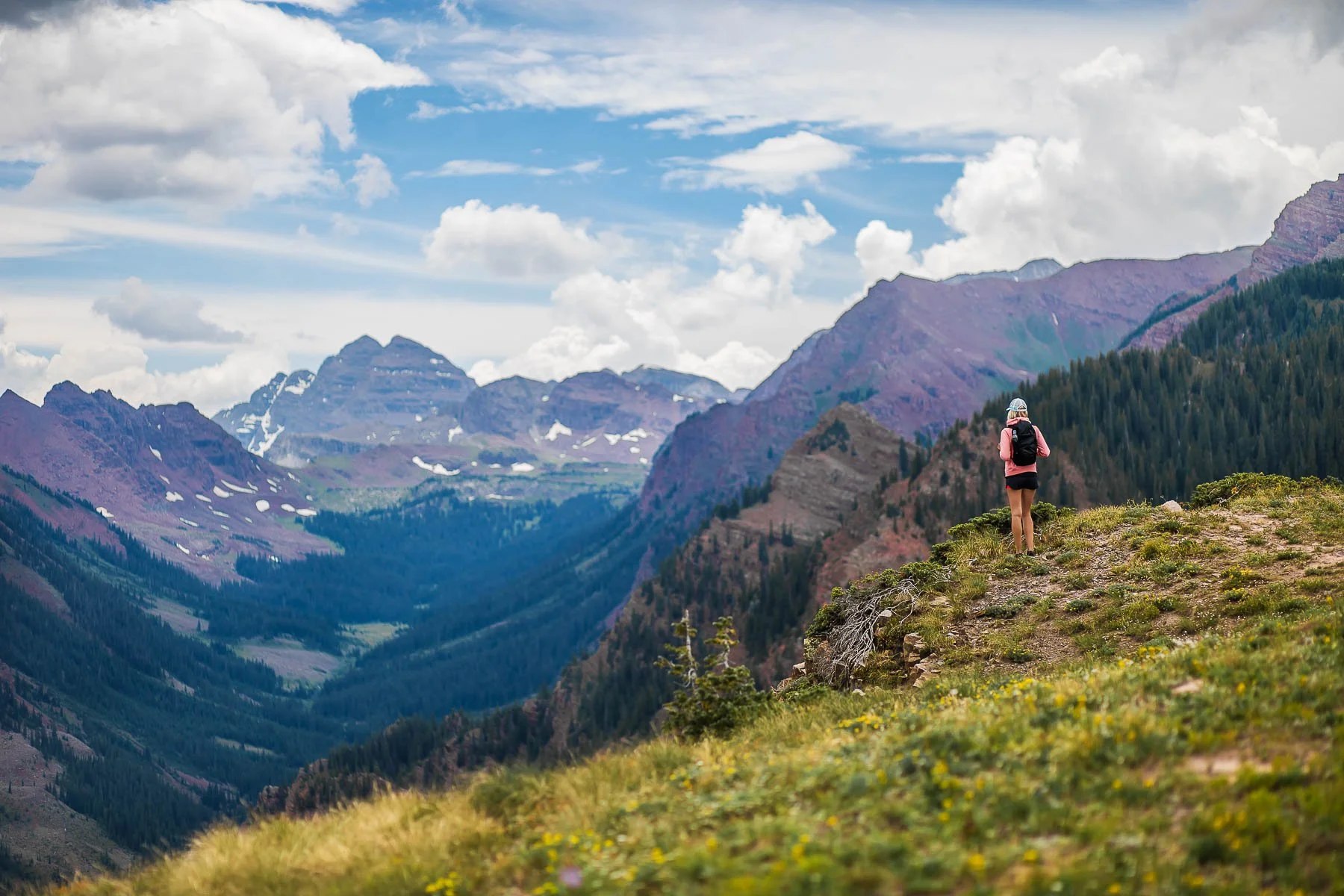
View of Maroon Bells from the Top of Elk Camp in Snowmass
Similarly, high points on Aspen Highlands offer sweeping views toward the Maroon Bells and surrounding peaks. In winter especially, these elevated viewpoints often provide some of the most dramatic scenery of the mountains.
Photographing the Bells from across the valley can reveal a completely different perspective of this famous landscape.
Seasonal Conditions at the Maroon Bells
The Maroon Bells change dramatically throughout the year, and each season offers different opportunities for photographers.
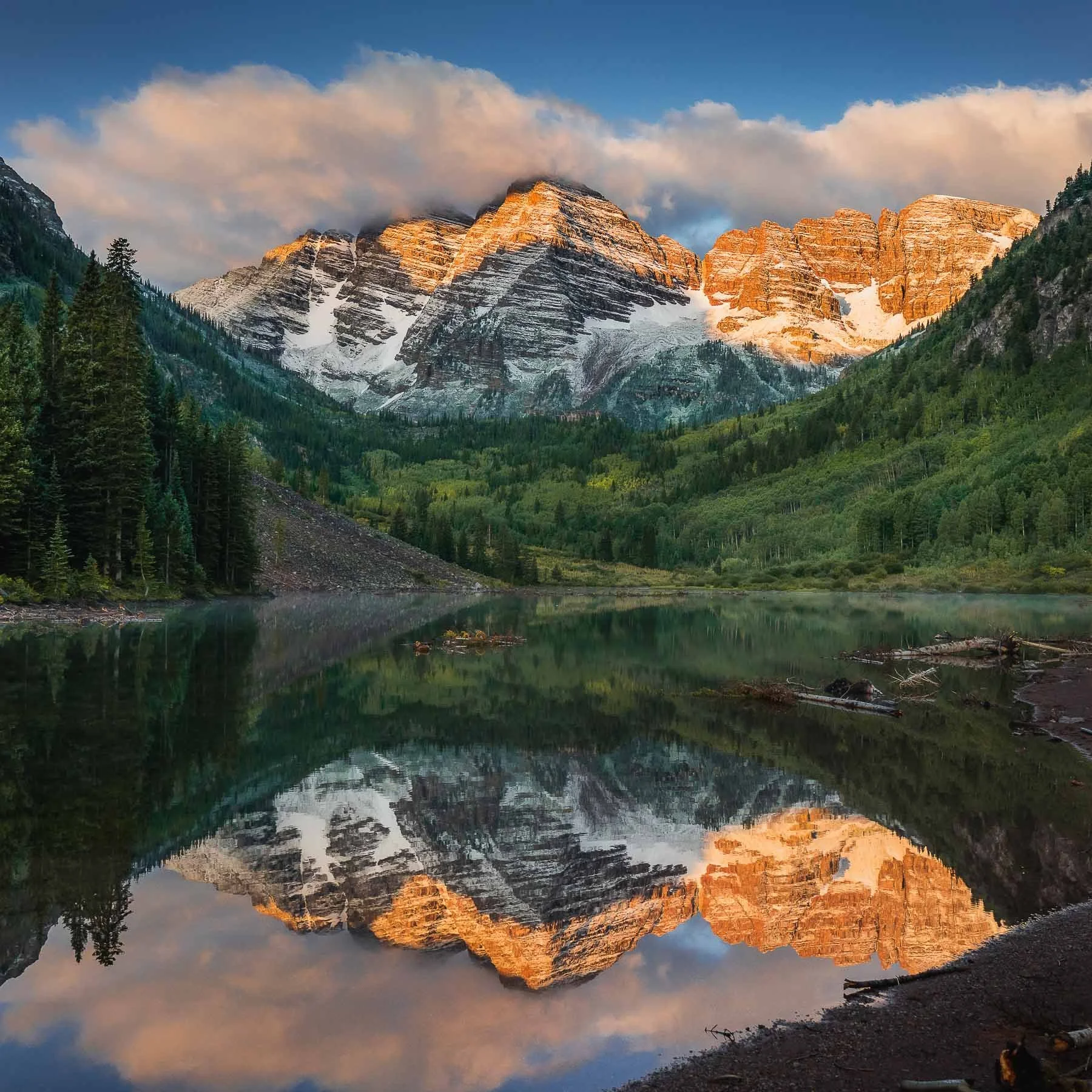
Late spring and early summer are ideal for photographing reflections in Maroon Lake. Snowmelt fills the lake during this period, raising water levels and increasing the chances of capturing strong mirror reflections of the peaks.
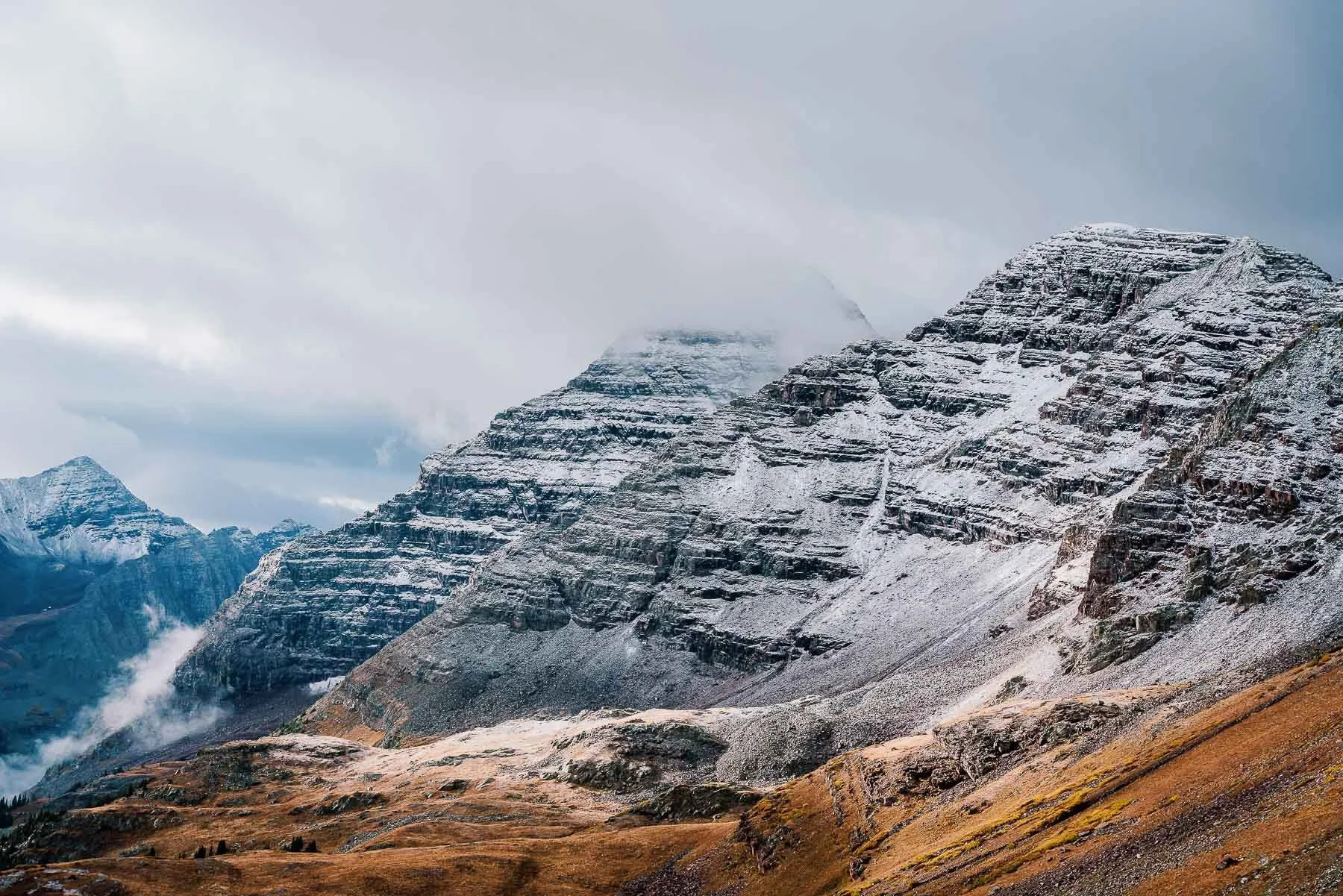
Fall is the most popular season for Maroon Bells photography. By late September, the surrounding aspen forests turn brilliant shades of gold, creating one of the most iconic fall landscapes in Colorado. This peak color window usually lasts around two weeks, depending on weather conditions.
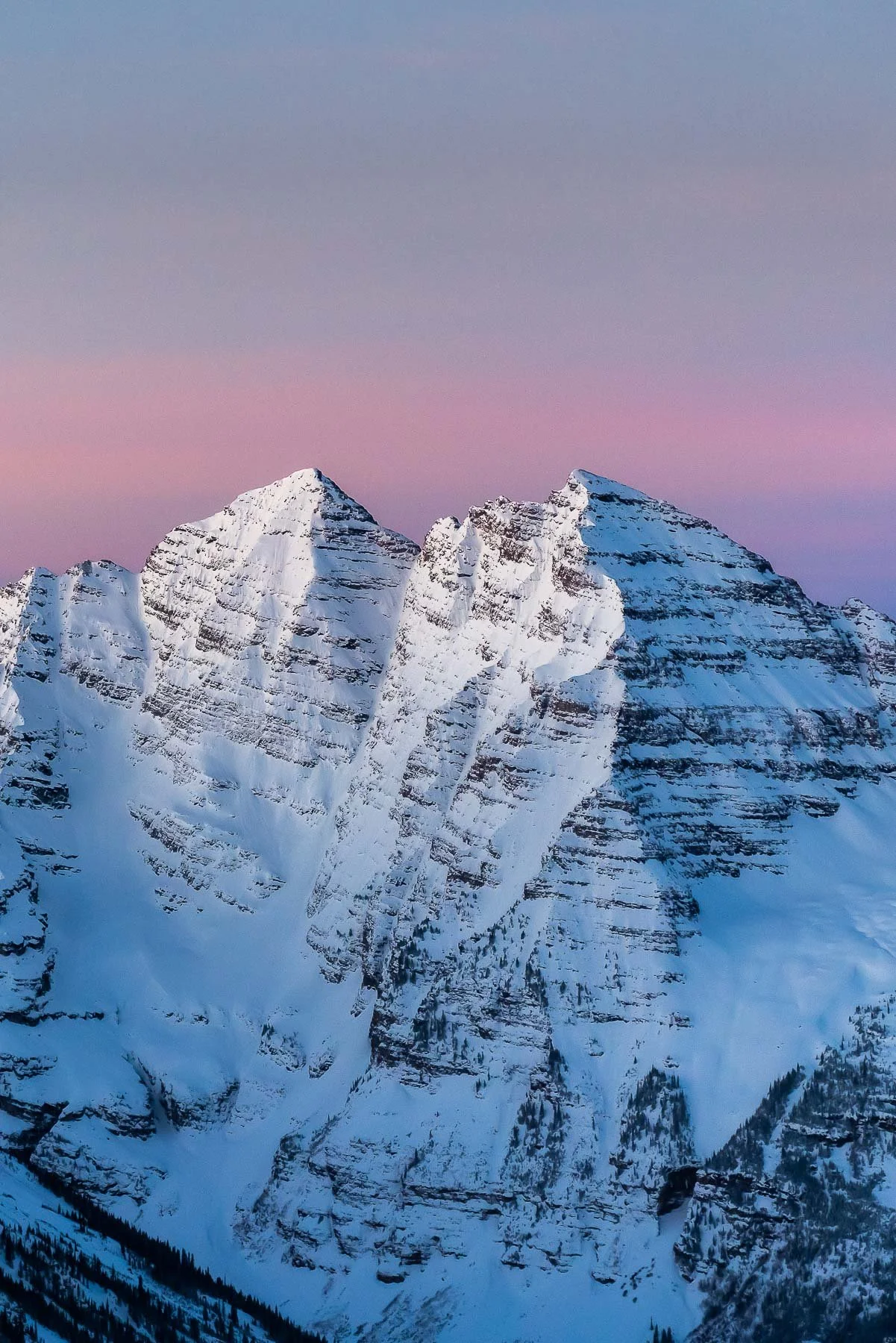
Winter offers a completely different experience. With the road closed to vehicles, the area becomes quiet and remote. Maroon Lake freezes over, and snow-covered peaks rise above the valley in a much more peaceful setting.
Visitors can reach the area by cross-country skiing the Maroon Bells Road or by joining a snowmobile tour operated by T-Lazy-7 Ranch. Traveling through the valley in winter reveals a quieter side of the landscape, with frozen lakes, snow-covered forests, and dramatic alpine peaks.
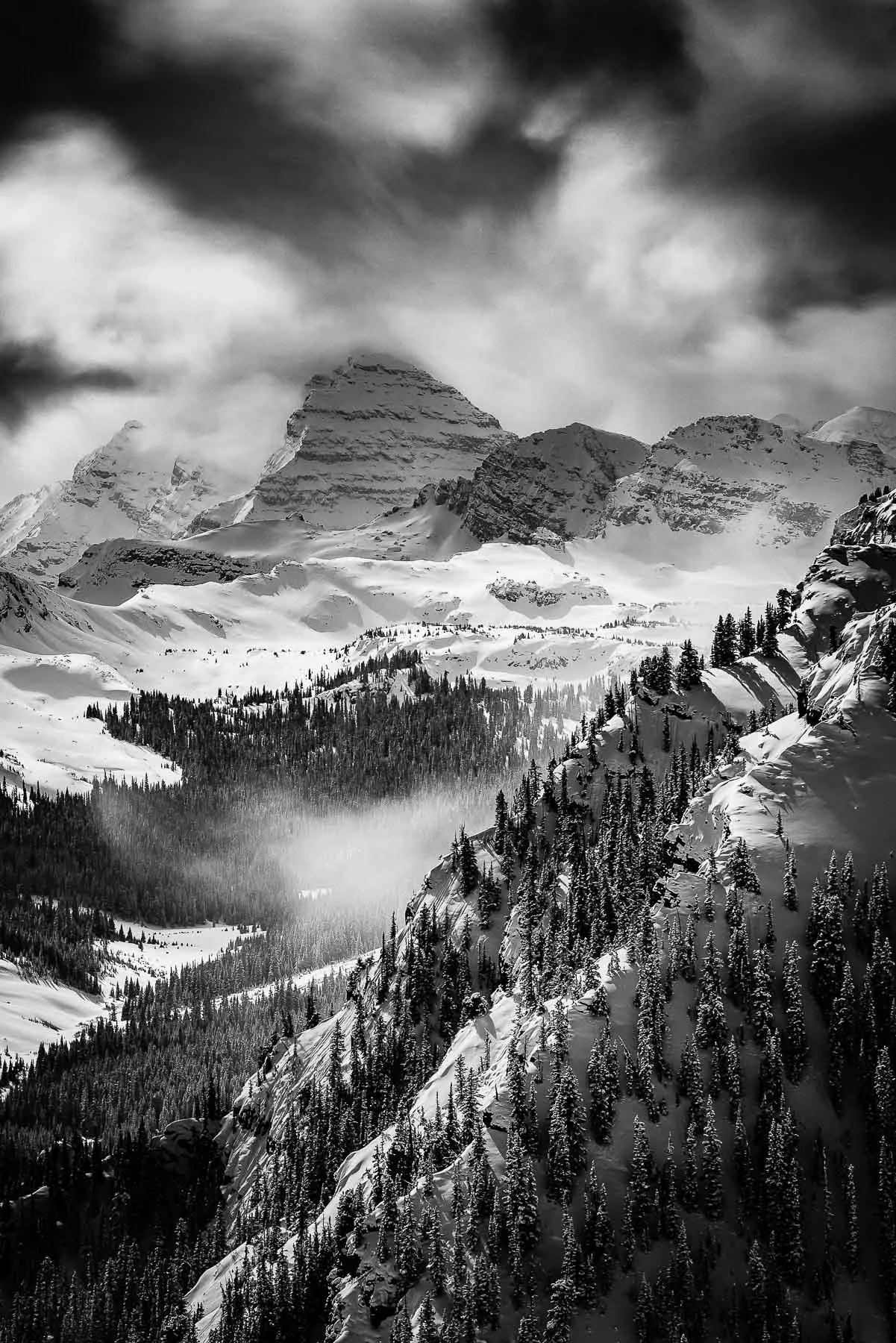
For photographers, winter also opens up different vantage points. The peaks are often especially striking when viewed from Snowmass or Aspen Highlands, where elevated terrain provides sweeping views of the Elk Mountains and the Maroon Bells rising in the distance.
Common Photography Mistakes at the Maroon Bells
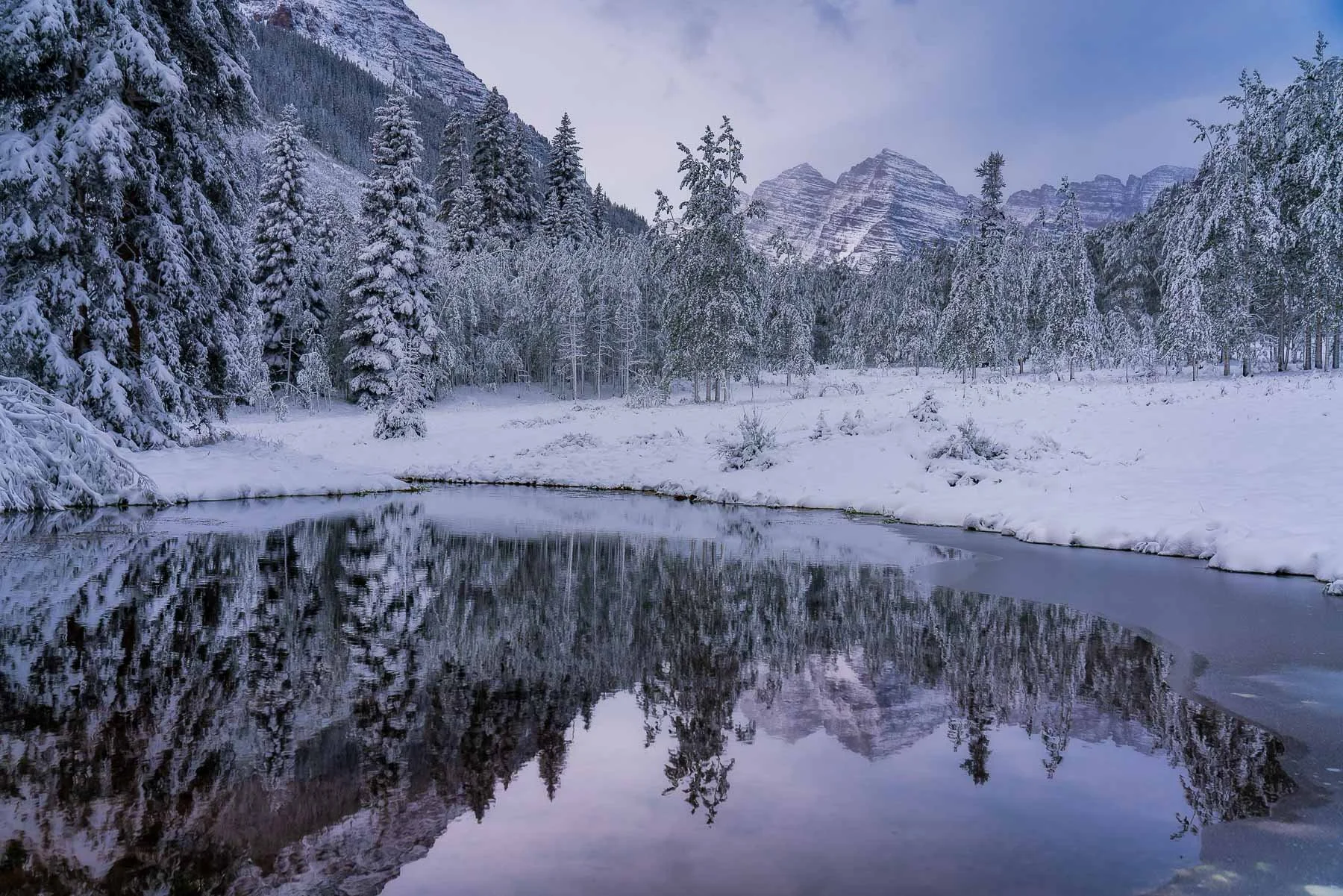
Because the Maroon Bells are so famous, many photographers arrive with a specific image already in mind — usually the classic sunrise reflection in Maroon Lake.
But focusing only on recreating that photograph can mean missing many other opportunities.
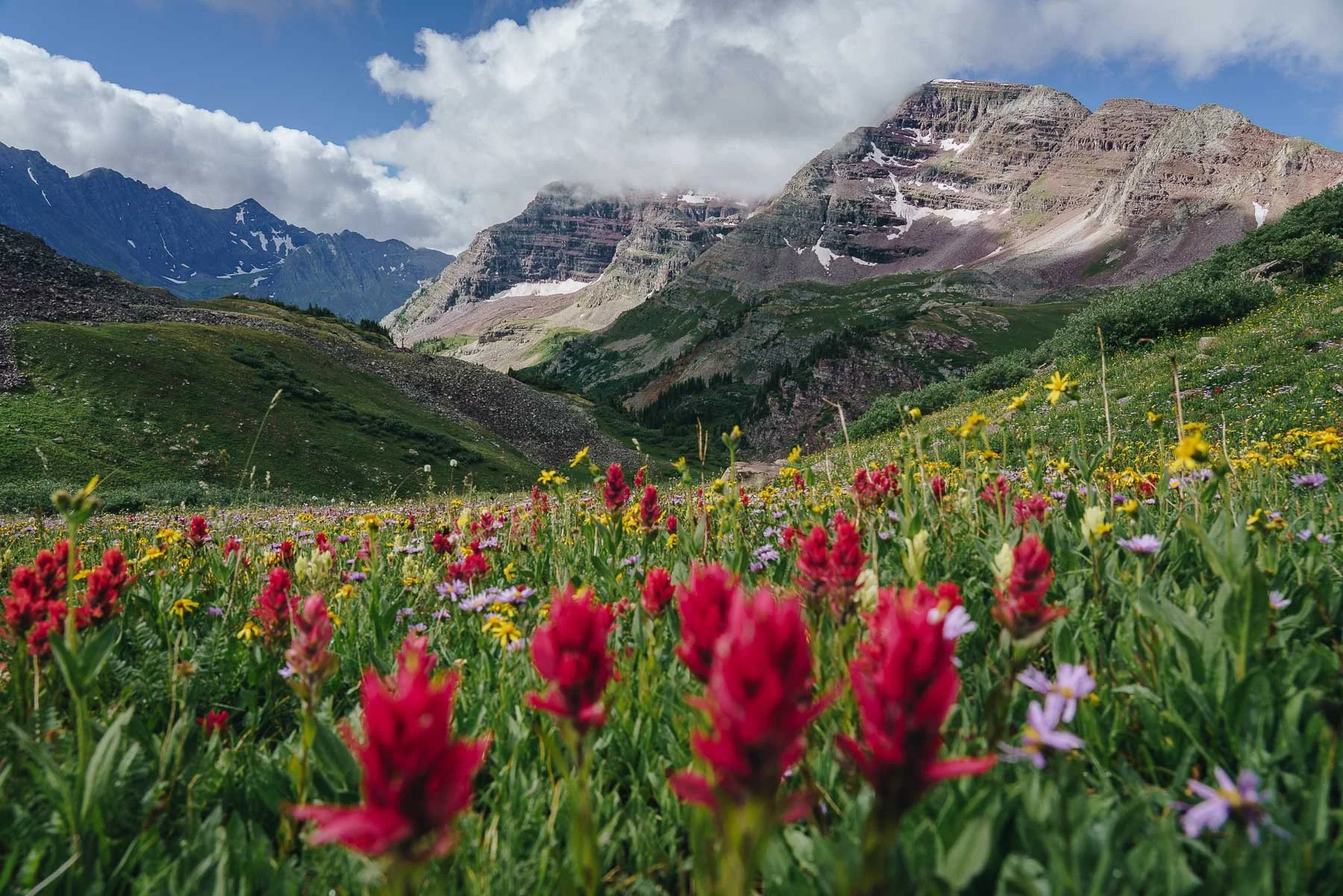
One common mistake is not exploring beyond the lake viewpoint. The surrounding trails, the road leading toward the Bells, and viewpoints across the valley all offer unique perspectives of the mountains.
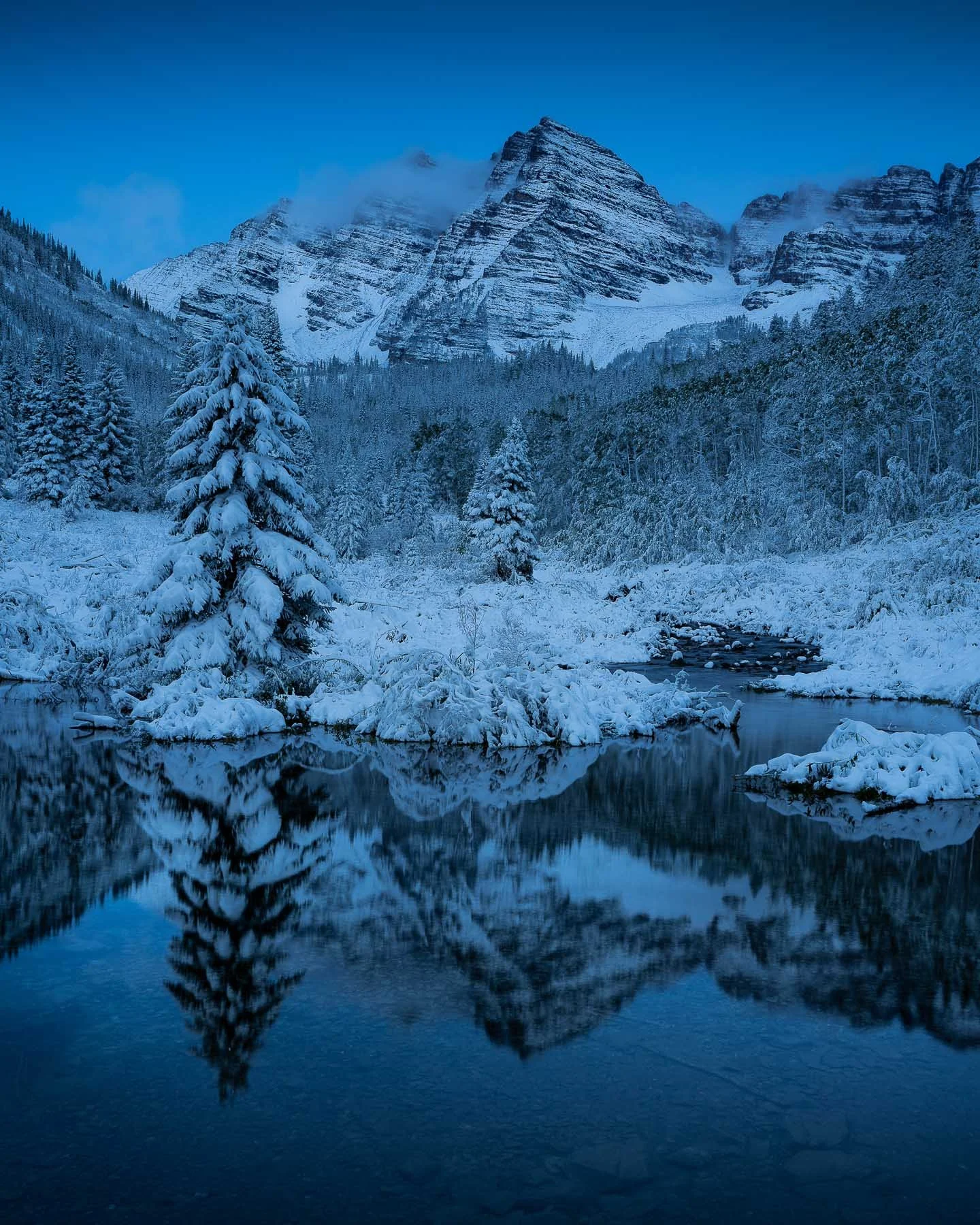
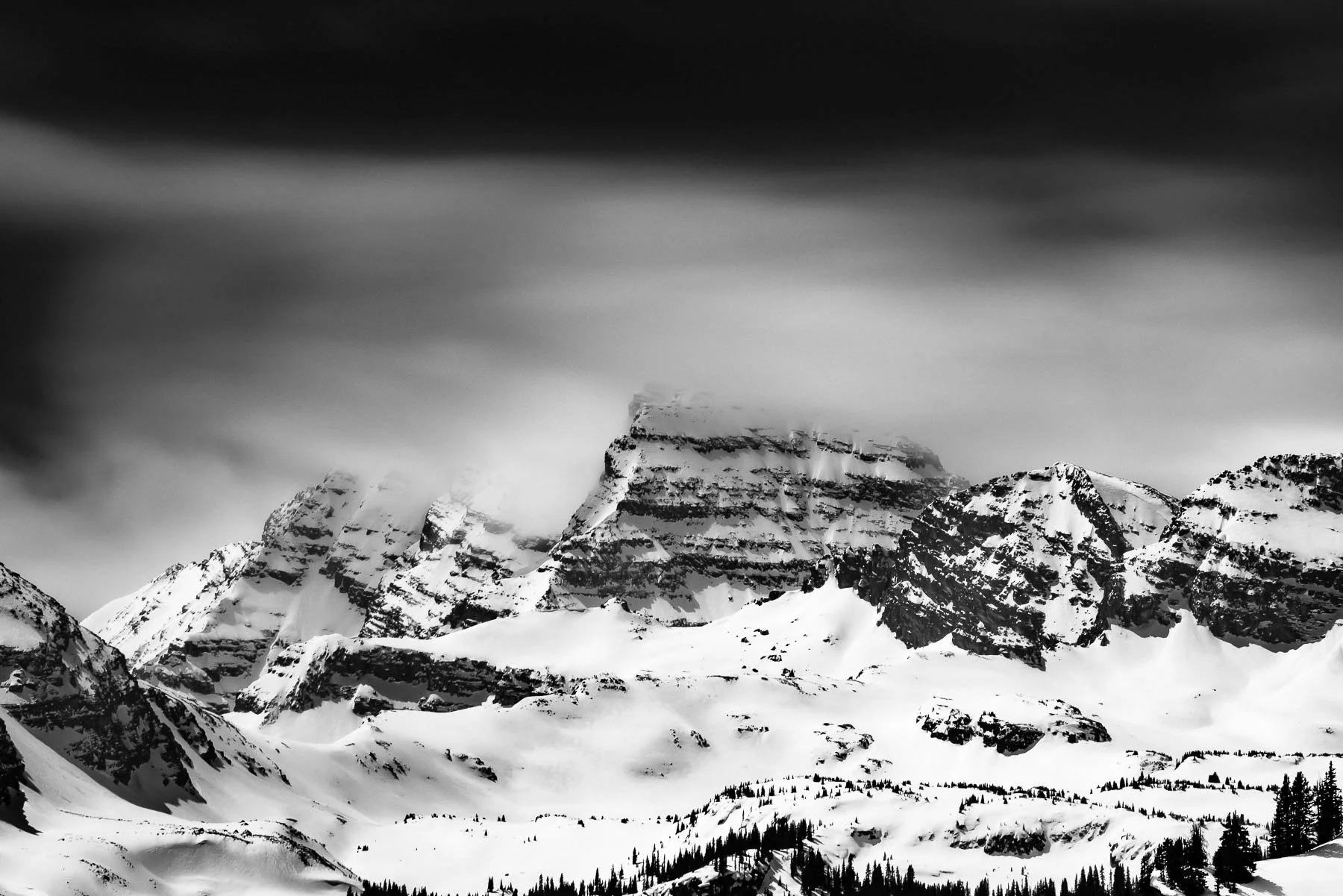
Another mistake is assuming that clear blue skies produce the best photographs. In reality, cloudy or stormy weather often creates the most dramatic light, especially during sunrise.
Finally, photographers should always respect trail closures and the ropes protecting the lake shoreline. Crossing into restricted areas damages fragile alpine environments and ultimately threatens future access to these landscapes.
The best Maroon Bells photographs are rarely the ones that simply replicate the classic view — they are the ones that capture the mountains in a way that reflects the unique moment and perspective of the photographer.
How to Visit the Maroon Bells Without a Parking Reservation
During the busiest months of summer and fall, parking reservations for Maroon Lake sell out far in advance. The popularity of the Maroon Bells means planning ahead is essential if you want to photograph the area.
One option is taking the Maroon Bells shuttle from Aspen Highlands, which runs regularly during peak season.
Another excellent option for photographers is renting an e-bike and riding the Maroon Bells Road. Biking the road allows you to stop along the way and photograph the mountains from multiple vantage points without needing a parking reservation.
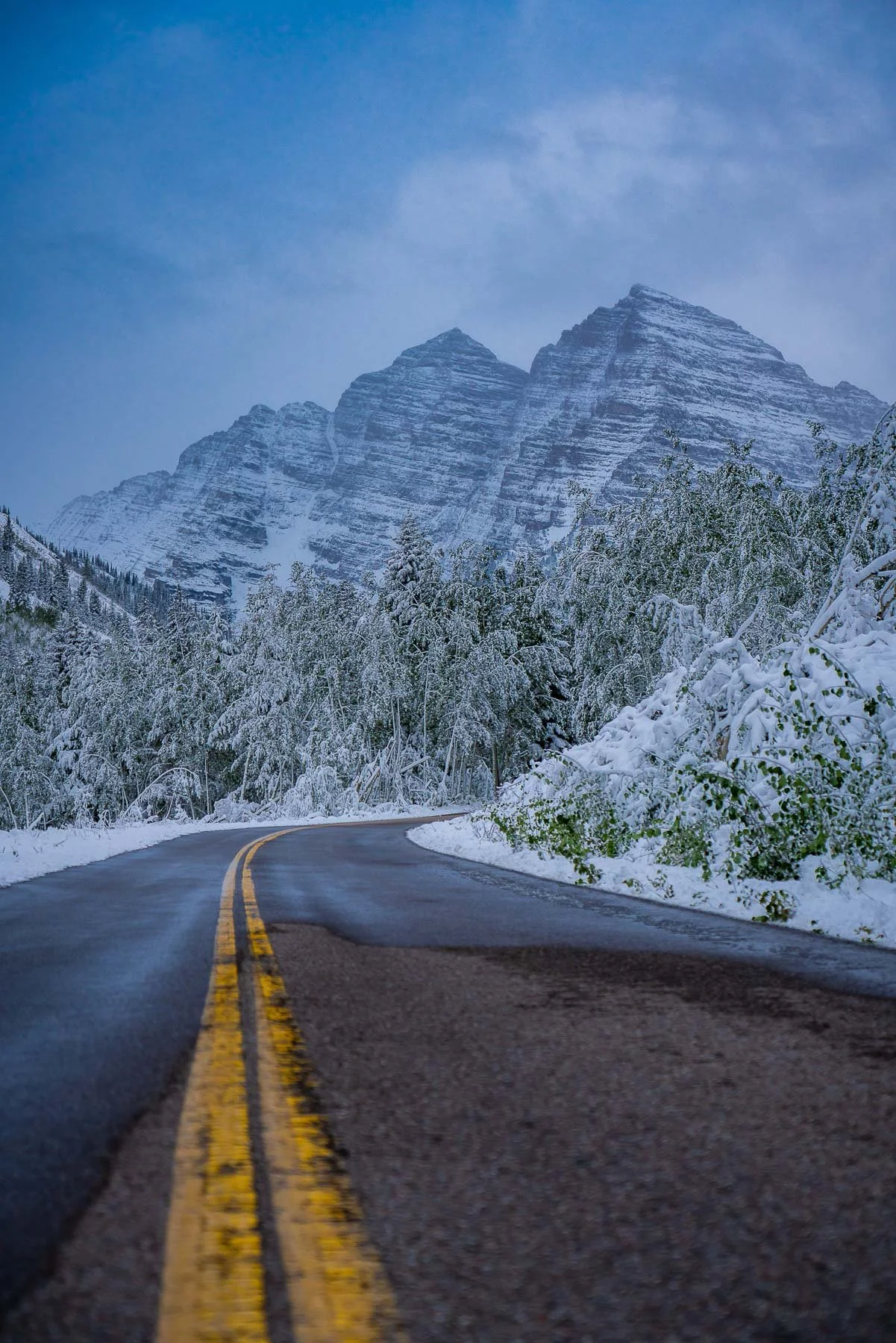
Cycling also provides a much quieter experience and allows photographers to explore angles and compositions that visitors arriving directly at the lake often miss.
Respect the Landscape
With millions of visitors each year, protecting the Maroon Bells landscape is more important than ever.
Please stay on designated trails and respect all closures in the area. Crossing ropes or restricted areas damages fragile alpine ecosystems and affects the experience of others visiting the area.
If photographers continue ignoring these protections, access to these places could become even more restricted in the future.
No photograph is worth harming the landscapes we love.
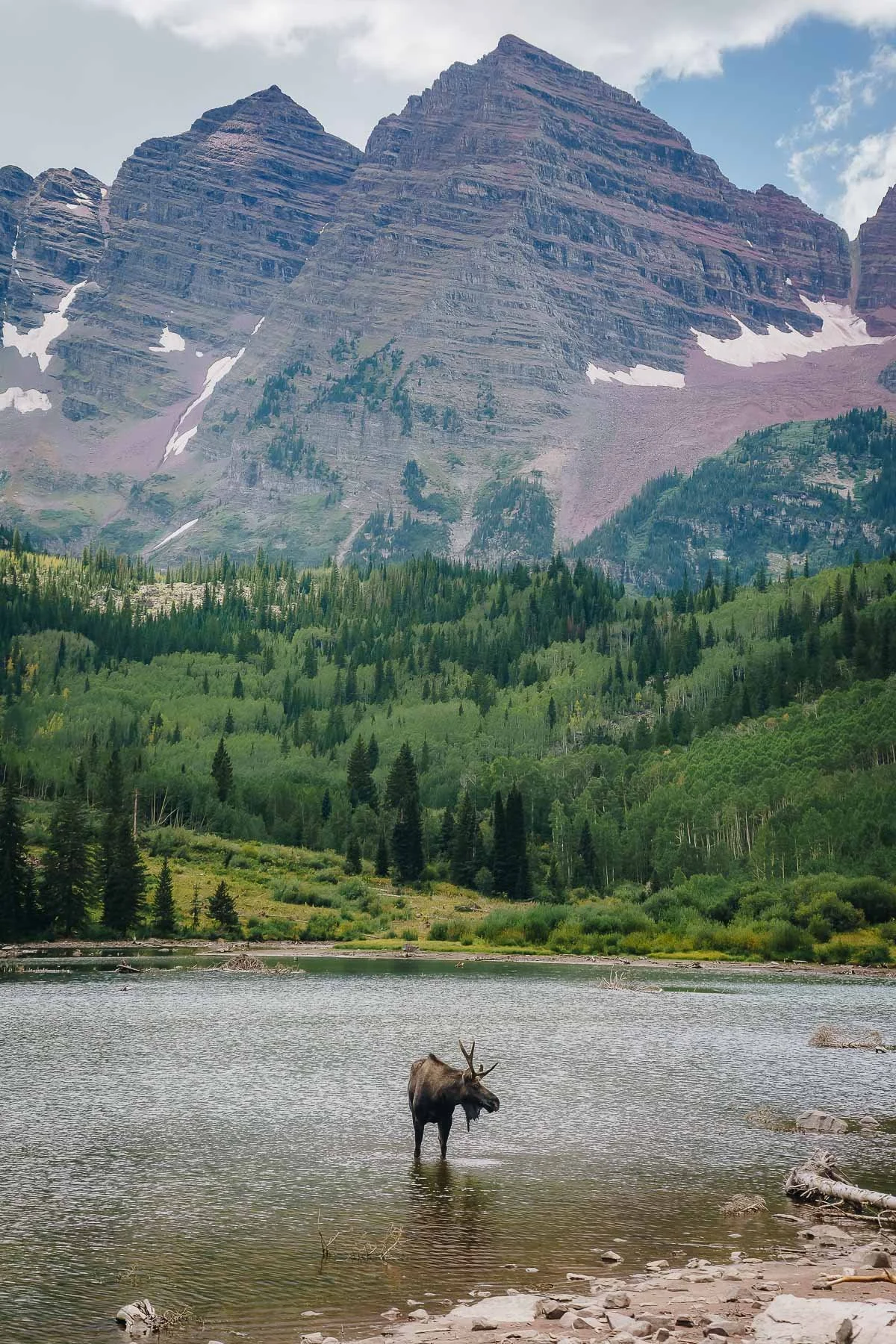
Many of the photographs in this guide come from years of returning to the Maroon Bells in different seasons and conditions. If you’d like to bring a piece of these mountains into your home, you can explore my collection of Colorado landscape photography prints, including images of the Maroon Bells and the Elk Mountains, in my print shop.
Common questions
How can you photograph the Maroon Bells without crowds?
If you want a quieter experience, it really comes down to timing. Getting there well before sunrise or choosing a weekday makes a huge difference. This is one of the busiest photo locations in Colorado, and during peak fall, people line up early—sometimes long before first light.
What gear do you actually need for photographing the Maroon Bells?
You don’t need a huge setup, but having a couple of lens options helps. A wide-angle lens works well for the classic Maroon Lake composition, while a longer lens lets you focus on details like light hitting the peaks or patterns in the aspens. A tripod can also be useful in those early morning, low-light conditions.
Is it possible to photograph the Maroon Bells with just a phone?
Yes—this is one of those places where light and timing matter more than the camera you’re using. If you pay attention to how the light moves through the scene and take a moment to frame your shot, you can walk away with really strong images, even on a phone.
Is Maroon Lake the only good photo location at the Maroon Bells?
Maroon Lake is the most recognizable viewpoint, and for good reason. But if you stop there, you’ll likely come away with the same image as everyone else. Walking a bit farther or shifting your perspective can open up completely different compositions that feel more personal.
What makes the Maroon Bells such a popular photography location?
There’s a reason this spot gets so much attention. You have dramatic peaks, a lake that can reflect them perfectly, and aspen forests that change with the seasons—all in one place that’s relatively easy to access. It’s a combination that’s hard to beat.
What should you avoid when photographing the Maroon Bells?
A lot of people make the mistake of rushing the experience. Showing up too late, sticking to one composition, or ignoring how quickly conditions can change will limit what you capture. It’s also important to respect the area—staying on trails and honoring closures helps preserve the landscape for everyone.
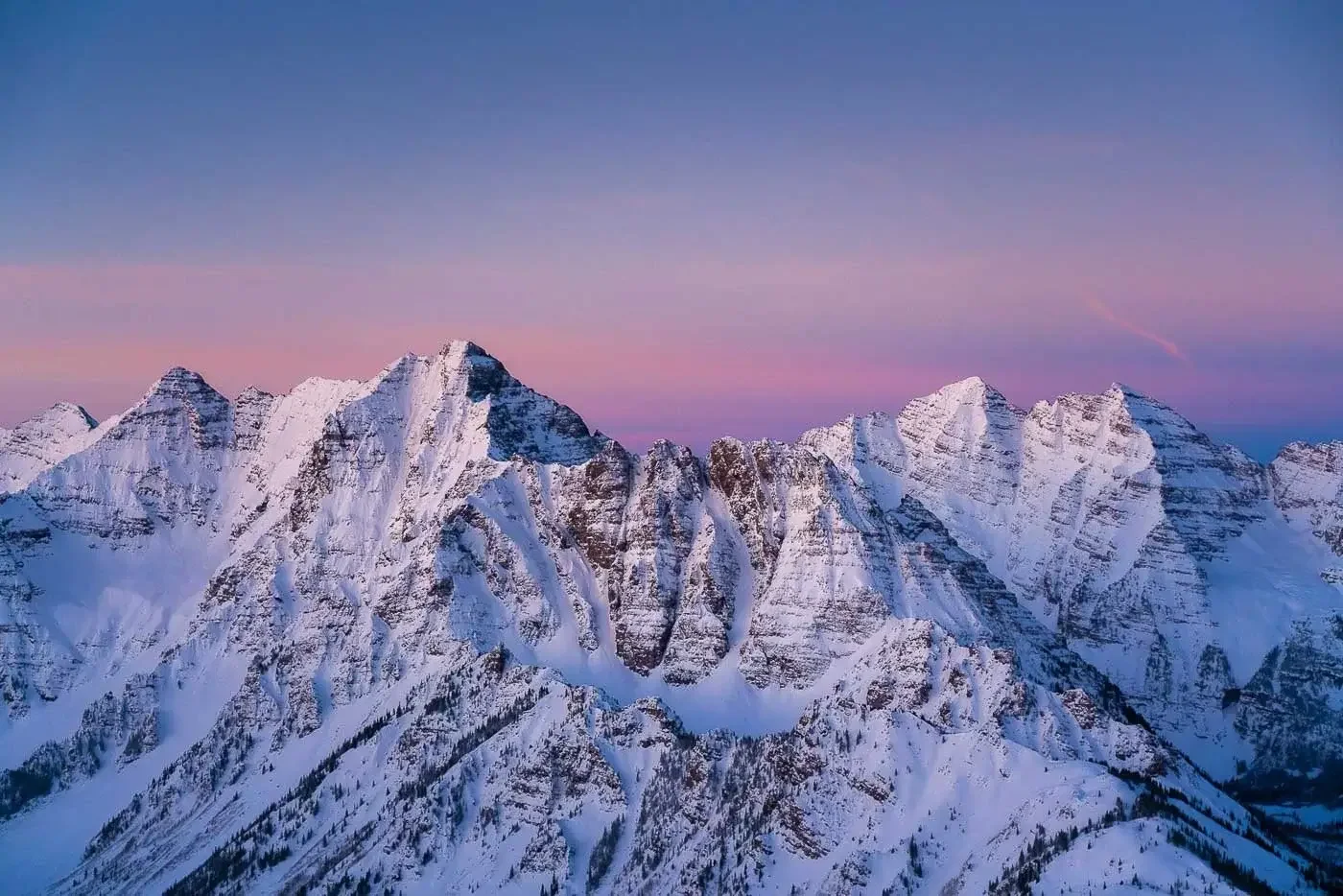
Whether you’re visiting for the first time or returning with a camera in hand, the Maroon Bells offer endless opportunities for photography—you just have to slow down and look beyond the obvious.
Interested in buying a Colorado landscape fine art print but don’t know where to start? Check out my Ultimate Guide to Buying Colorado Fine Art Landscape Prints
Have a favorite perspective of the Maroon Bells that I didn’t mention here? I’d love to hear your thoughts. Feel free to share your experiences or questions in the comments on my latest Instagram post, where I’ll be continuing the conversation about photographing this iconic landscape.