
Colorado Mountain Landscape Photography — A Photographer’s Guide to the Rockies

The Rocky Mountains of Colorado are among the most photographed mountain landscapes in North America. From the jagged summits of the Elk Mountains to alpine lakes reflecting golden aspen trees, the region offers an extraordinary variety of scenes for landscape photography. For photographers, the appeal of Colorado lies not only in its dramatic peaks but also in the constantly shifting interplay of light, weather, and seasons that transform the landscape throughout the year.
Colorado’s mountains didn’t just become a subject for my photography — they completely changed the direction of my life.
I moved to Aspen Snowmass in 2012 after winning a trip to Snowmass through an online giveaway. At the time, I had just graduated from college and was working in the music industry in Chicago. I wasn’t even a landscape photographer yet. But during my first summer in the Roaring Fork Valley, surrounded by peaks, forests, and constantly shifting mountain light, I found myself photographing everything around me.
The mountains became my classroom.
Over the years, I’ve spent countless mornings chasing sunrise across alpine ridges, wandering through aspen forests during peak fall color, and waiting for storm clouds to break over the Elk Mountains. Sometimes the best photographs happen after hiking miles into the backcountry. Other times they appear right outside my window in Snowmass Village.
Colorado has a way of slowing you down and making you notice the details — the glow of first light on the peaks, the quiet rhythm of snow falling through the trees, the brief moment when fall color and early snow meet on the same hillside.
My work as a Colorado landscape photographer is rooted in that experience of returning to the same places again and again, watching how light, weather, and seasons transform the mountains.
These photographs are an invitation to share those moments — and to bring a piece of Colorado’s wild beauty into your space.
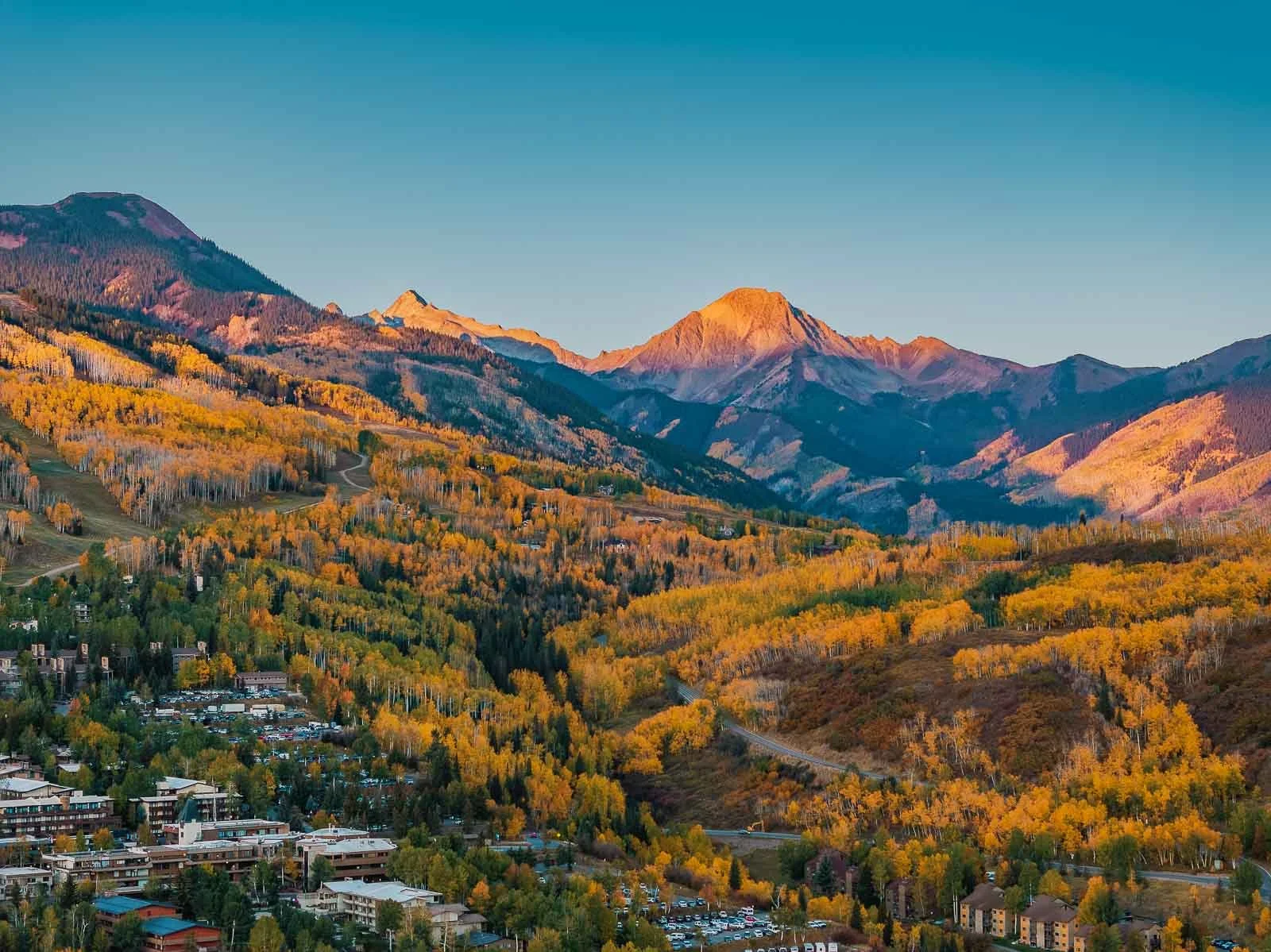
The Unique Geography of Colorado’s Rocky Mountains
Colorado is the highest state in the contiguous United States, with 58 peaks rising above 14,000 feet. These high elevations create an alpine environment where weather shifts quickly and light changes dramatically throughout the day.
The central Rocky Mountains are especially rich for photographers because of their diverse terrain:
The Elk Mountains – home to some of Colorado’s most dramatic peaks, including Capitol Peak and the Maroon Bells
The San Juan Mountains – rugged volcanic landscapes and vibrant fall colors
Rocky Mountain National Park – alpine tundra, wildlife, and glacial valleys
The Gore Range and Tenmile Range – sharp ridgelines and dramatic winter scenery
Each mountain range offers different photographic opportunities, from sweeping alpine vistas to quiet forests and high alpine lakes.
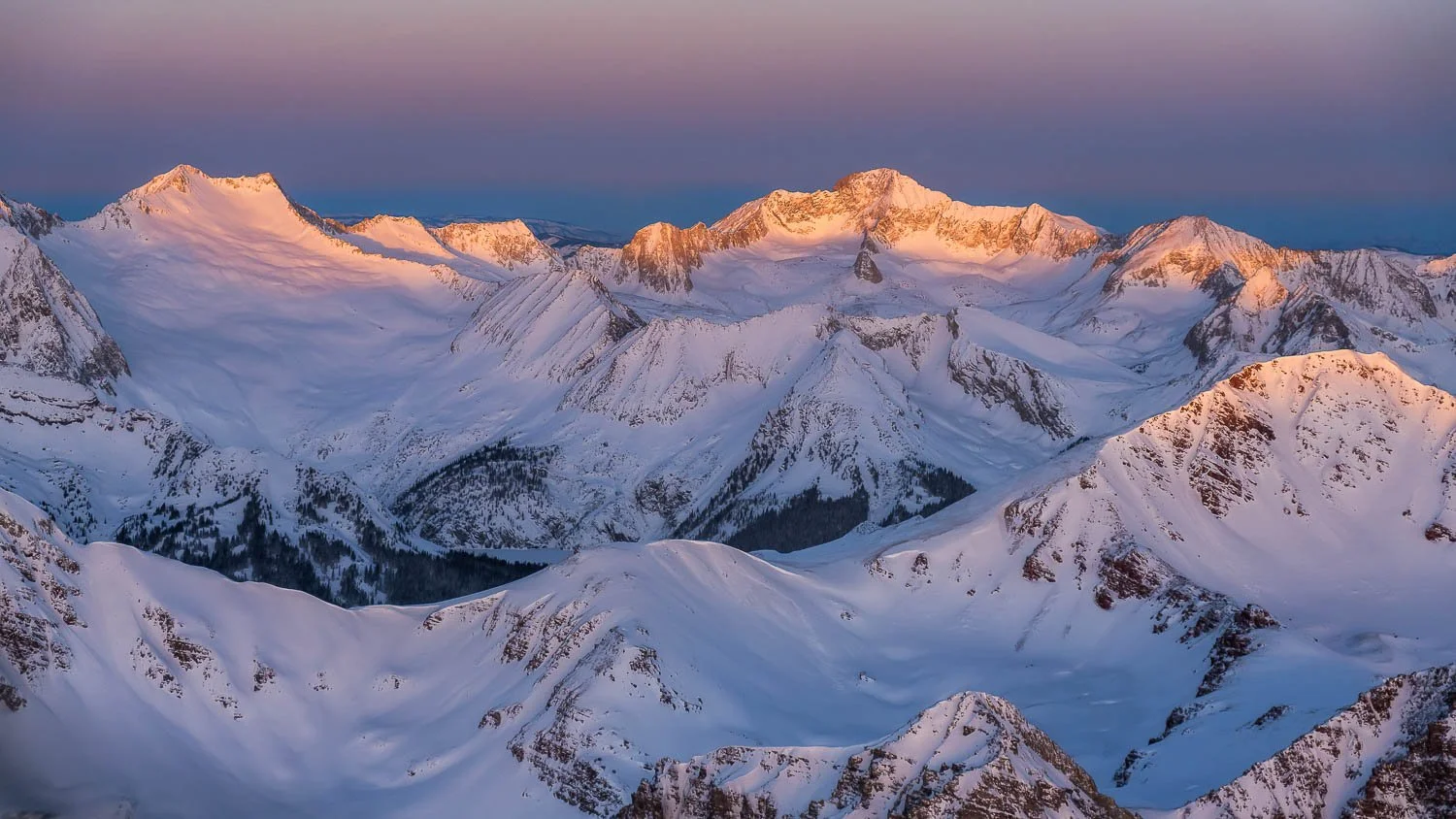
The Best Seasons for Colorado Mountain Photography
One of the greatest joys of photographing the Rockies is witnessing how dramatically the landscape changes through the year.
Spring: Melting Snow and Emerging Light

Spring in the mountains is unpredictable. Storms can bring fresh snow to high elevations while valleys begin to turn green. Snow-capped peaks paired with new growth create striking contrasts.
Summer: Wildflowers and Alpine Color
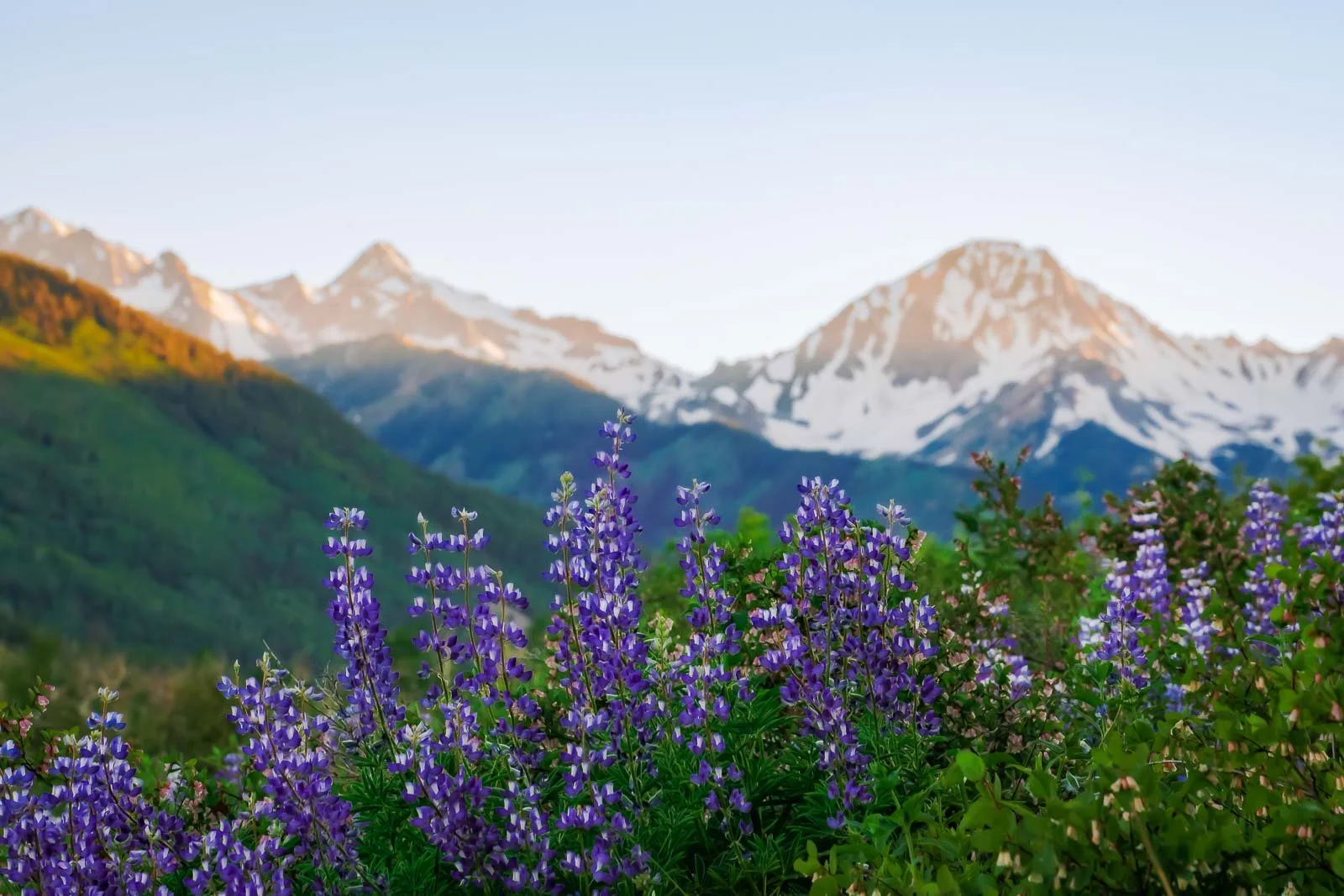
By mid-summer, alpine meadows burst with wildflowers and long daylight hours provide extended opportunities for shooting. Storm clouds often build in the afternoon, creating dramatic skies and fleeting shafts of sunlight across the mountains.
Fall: Colorado’s Famous Aspen Colors

Autumn is perhaps the most famous season in Colorado photography. Vast groves of aspen trees turn brilliant shades of gold, creating a striking contrast against dark evergreen forests and snow-dusted peaks. Locations like the Maroon Bells and Independence Pass become iconic scenes during peak foliage.
Winter: Quiet Landscapes and Snow Texture

Winter transforms the Rockies into a minimalist world of snow, shadow, and texture. Soft light and fresh snow create opportunities for intimate landscape studies as well as grand alpine scenes.
Iconic Locations for Mountain Landscape Photography
While incredible scenery can be found throughout Colorado, several locations have become legendary among photographers for their unique character and dramatic scenery.
Maroon Bells
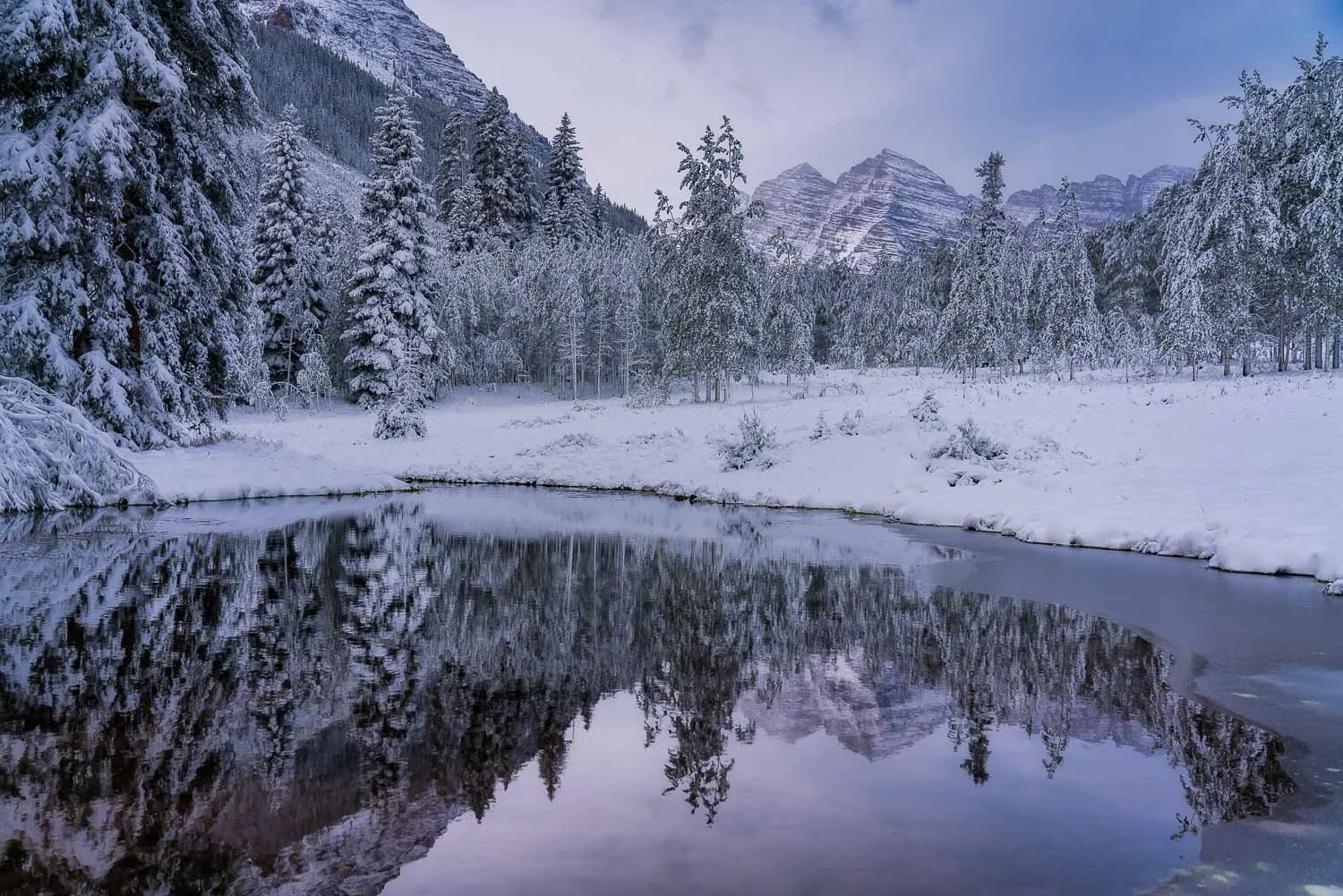
Perhaps the most famous mountains in Colorado, the Maroon Bells are known for their dramatic symmetry and the mirror-like reflection in Maroon Lake at sunrise. In autumn, the surrounding aspen groves turn brilliant gold, creating one of the most iconic fall scenes in the Rocky Mountains.
Read more: Photographing the Maroon Bells: Tips from a Local Photographer
Snowmass and the Elk Mountains

The Elk Mountains surrounding Snowmass Village offer endless photographic possibilities. Rugged peaks, alpine basins, and quiet forests provide both sweeping vistas and intimate landscapes. Changing weather and shifting light make this region especially rewarding for photographers who return throughout the seasons.
Independence Pass

One of the highest paved roads in North America, Independence Pass climbs above 12,000 feet and provides access to sweeping alpine terrain. In summer, wildflowers cover the slopes, while autumn brings golden aspen forests and expansive views toward the Continental Divide.
Kebler Pass

Located between Crested Butte and Paonia, Kebler Pass is home to one of the largest aspen groves in North America. During fall, entire mountainsides glow with vibrant shades of yellow and gold. The winding road through the forest offers countless compositions, from intimate studies of aspen trunks to sweeping views of the surrounding West Elk Mountains.
Great Sand Dunes National Park
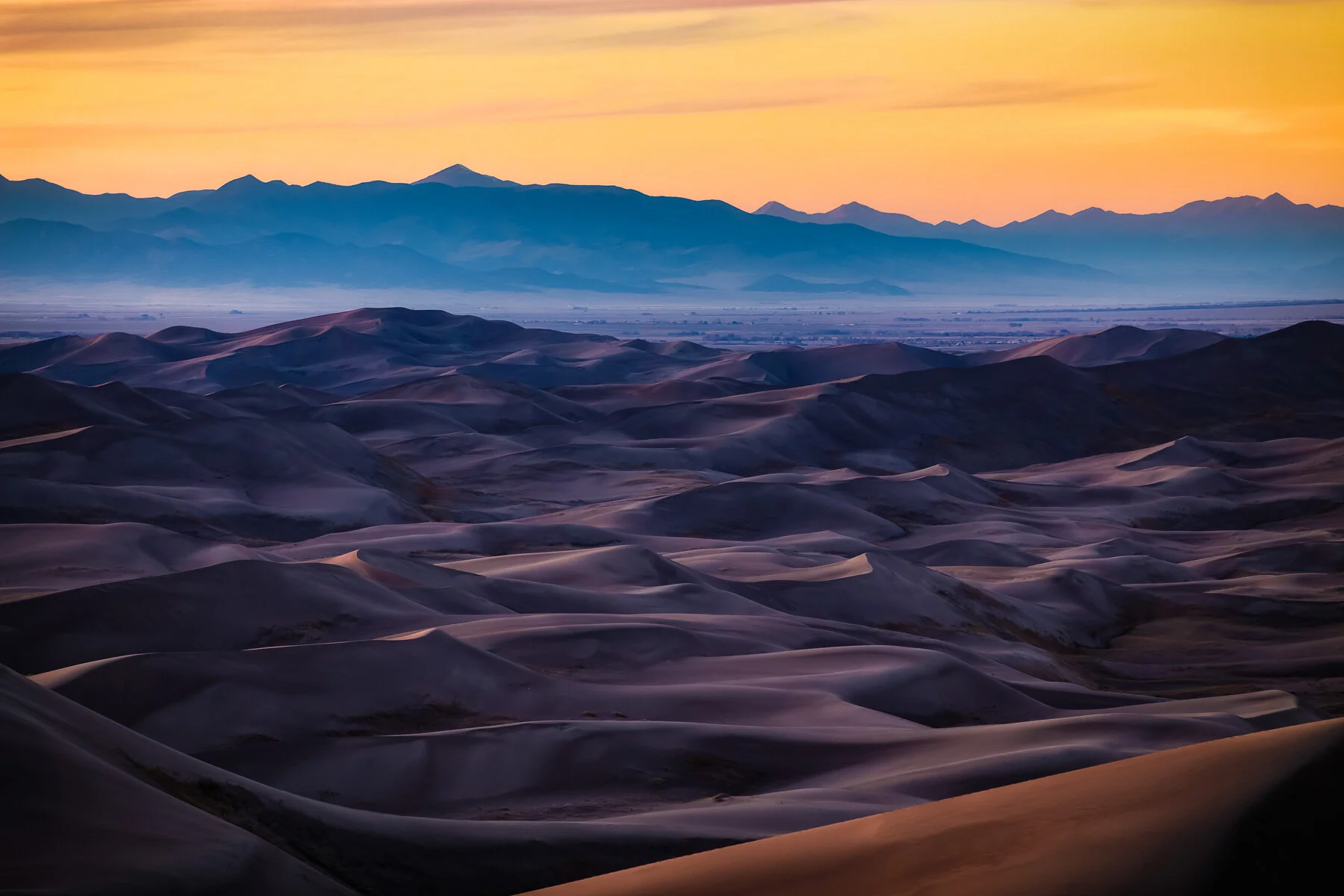
One of the most unexpected landscapes in Colorado lies far from the high alpine peaks. At Great Sand Dunes National Park and Preserve, the tallest sand dunes in North America rise dramatically against the backdrop of the Sangre de Cristo Mountains. Wind constantly reshapes the dunes, creating abstract textures and patterns that change with the light. Sunrise and sunset are especially compelling times to photograph the dunes, when long shadows reveal their sculptural forms.
Capitol Peak
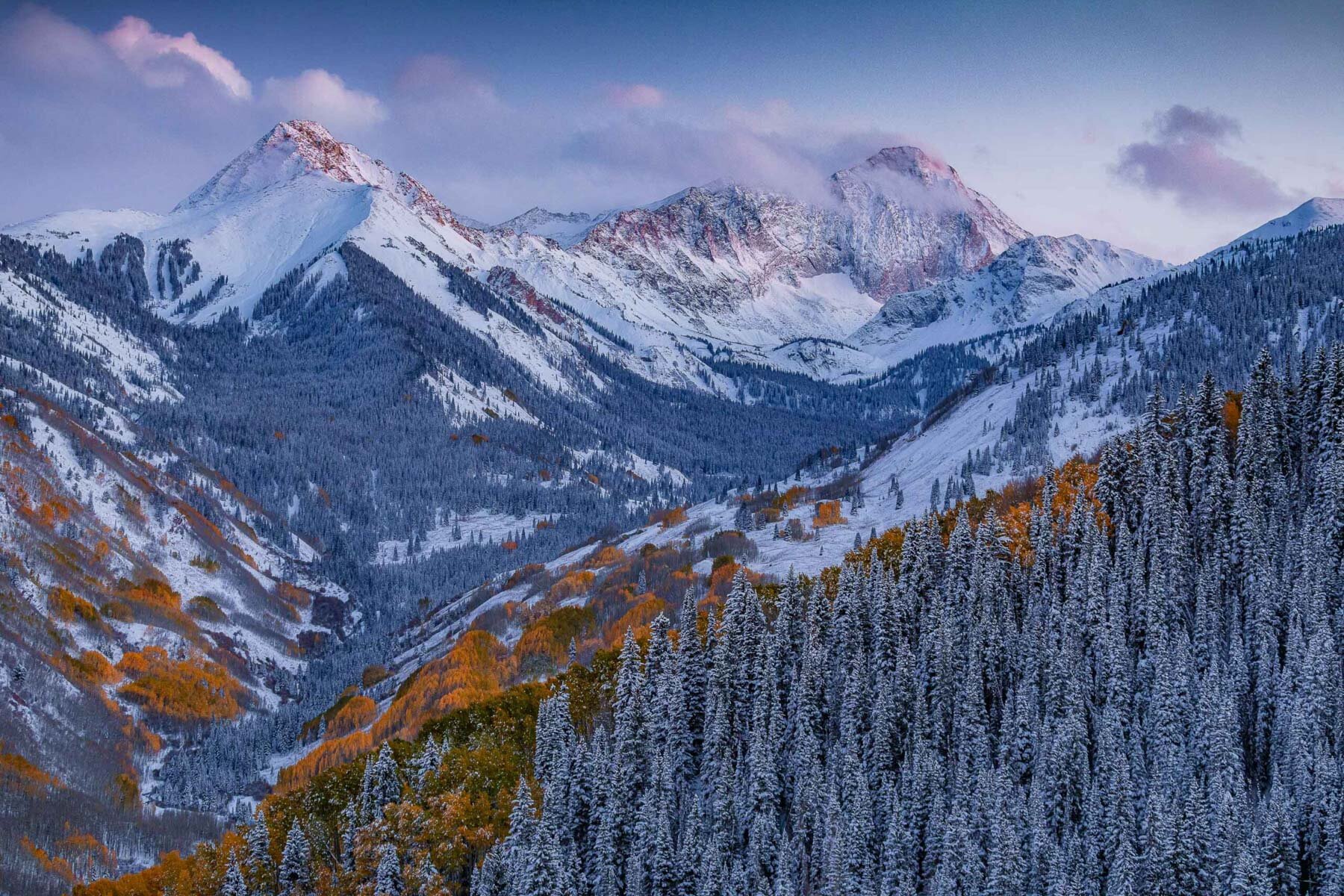
One of Colorado’s most recognizable summits, Capitol Peak rises sharply above surrounding valleys and alpine lakes. The mountain’s distinctive pyramid shape and rugged ridges create powerful compositions for photographers seeking dramatic high-mountain landscapes.
Photographing Light in the Mountains

Mountain landscapes are defined by light. Because peaks rise sharply from the terrain, sunlight and shadow create constantly shifting patterns across the slopes.
The most compelling photographs often happen during the edges of the day:
Sunrise, when the first light touches the highest peaks
Sunset, when warm tones sweep across the mountains
Storm clearing, when clouds break and dramatic light fills the valleys
These fleeting moments are what make mountain photography both challenging and rewarding.
A Landscape Worth Protecting
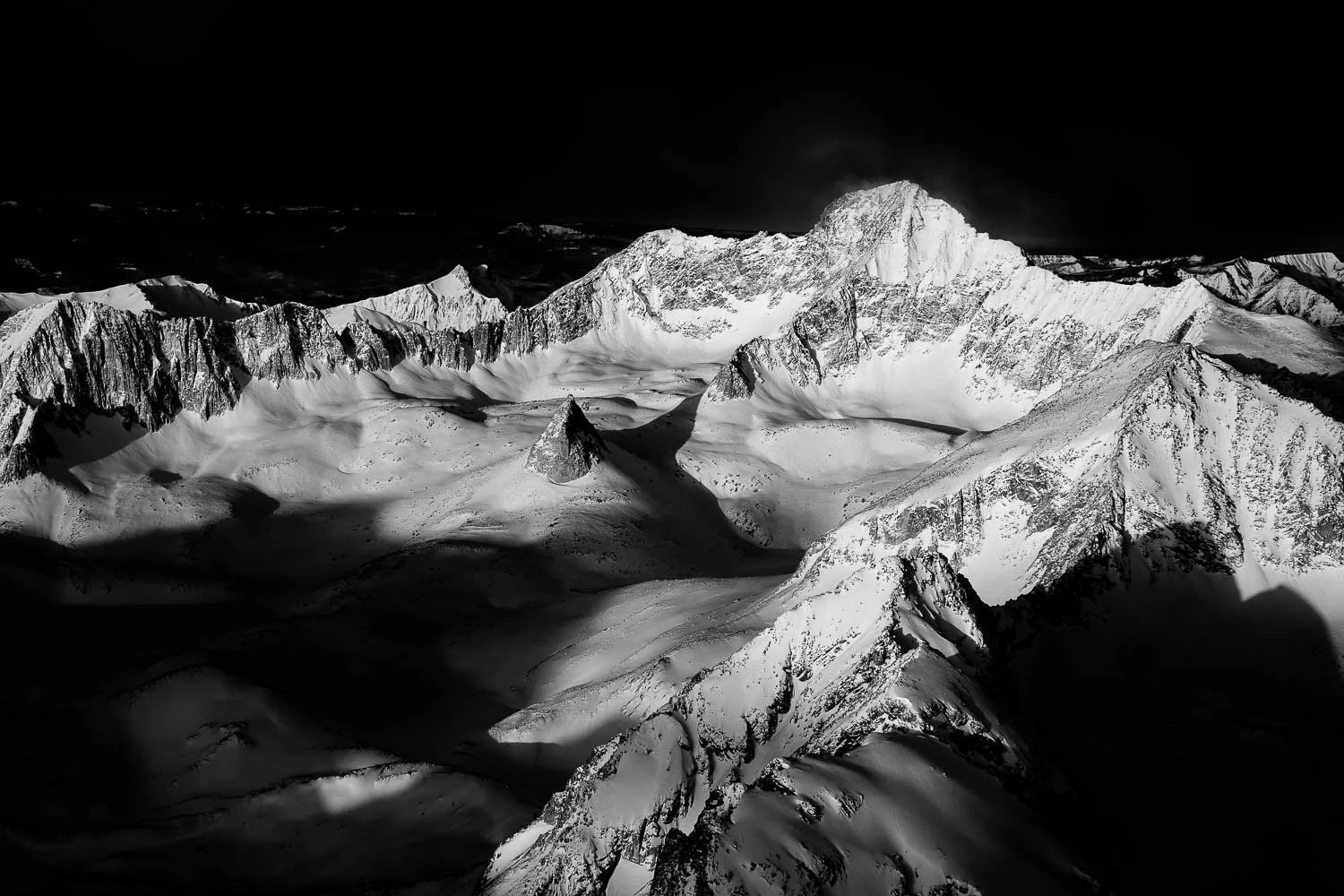
Photographing Colorado’s mountains also reveals how sensitive these environments are to change. Snowpack, wildfire, and shifting weather patterns increasingly shape the landscape photographers encounter.
Returning to the same places year after year allows photographers to witness how the mountains evolve. Through photography, these landscapes become not just scenic locations but places with stories — environments worth protecting for future generations.
Colorado Mountain Landscape Photography Prints
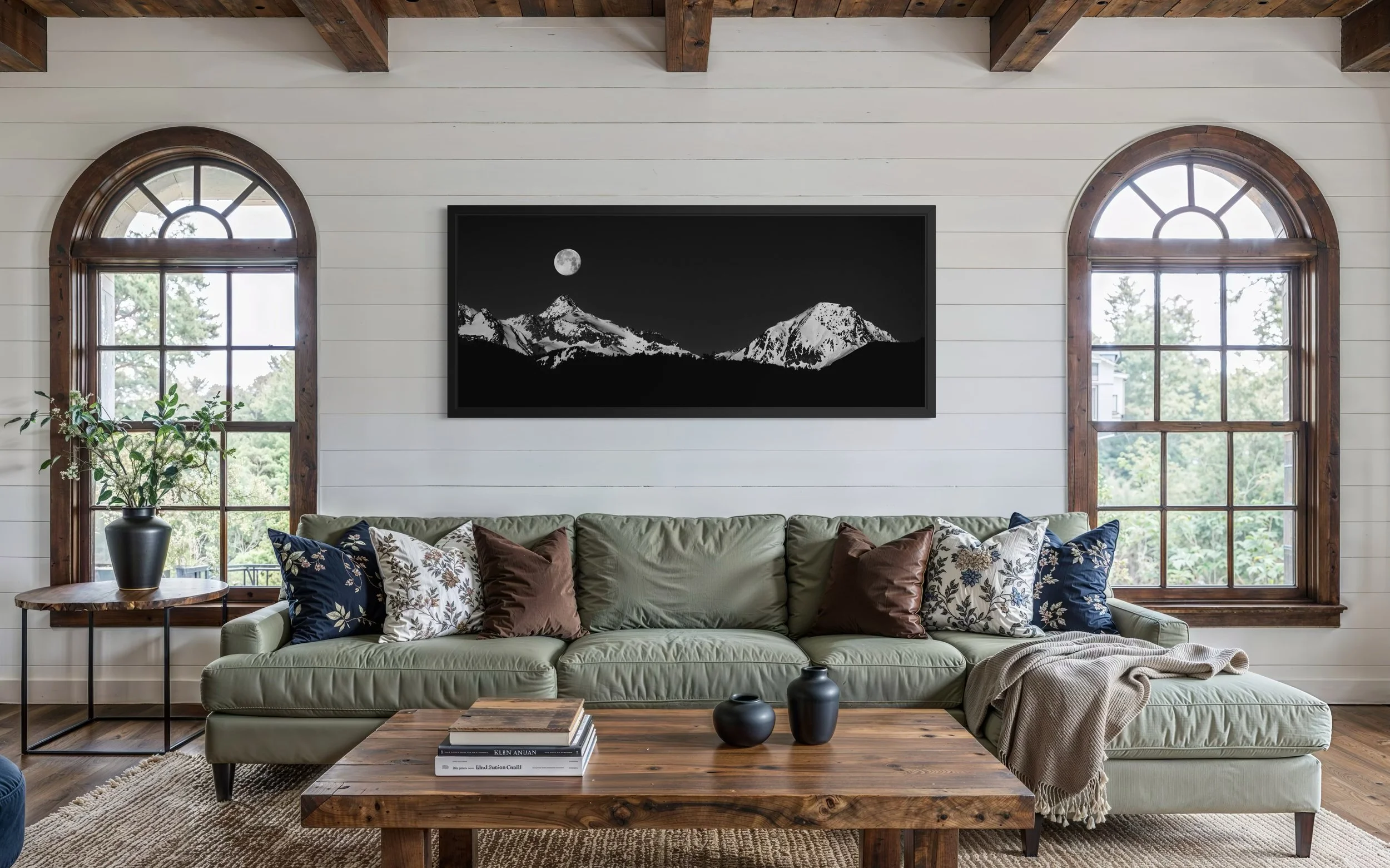
For collectors and mountain lovers, landscape photographs can bring the feeling of the Rockies into a home or workspace. Fine art prints capture fleeting moments of mountain light, seasonal color, and alpine atmosphere that might otherwise pass unnoticed.
You can explore a collection of Colorado mountain landscape photography prints featuring scenes from Aspen, Snowmass, and the Elk Mountains on my website.
These photographs reflect years of returning to the same mountain landscapes, waiting for the moments when light, weather, and place come together.