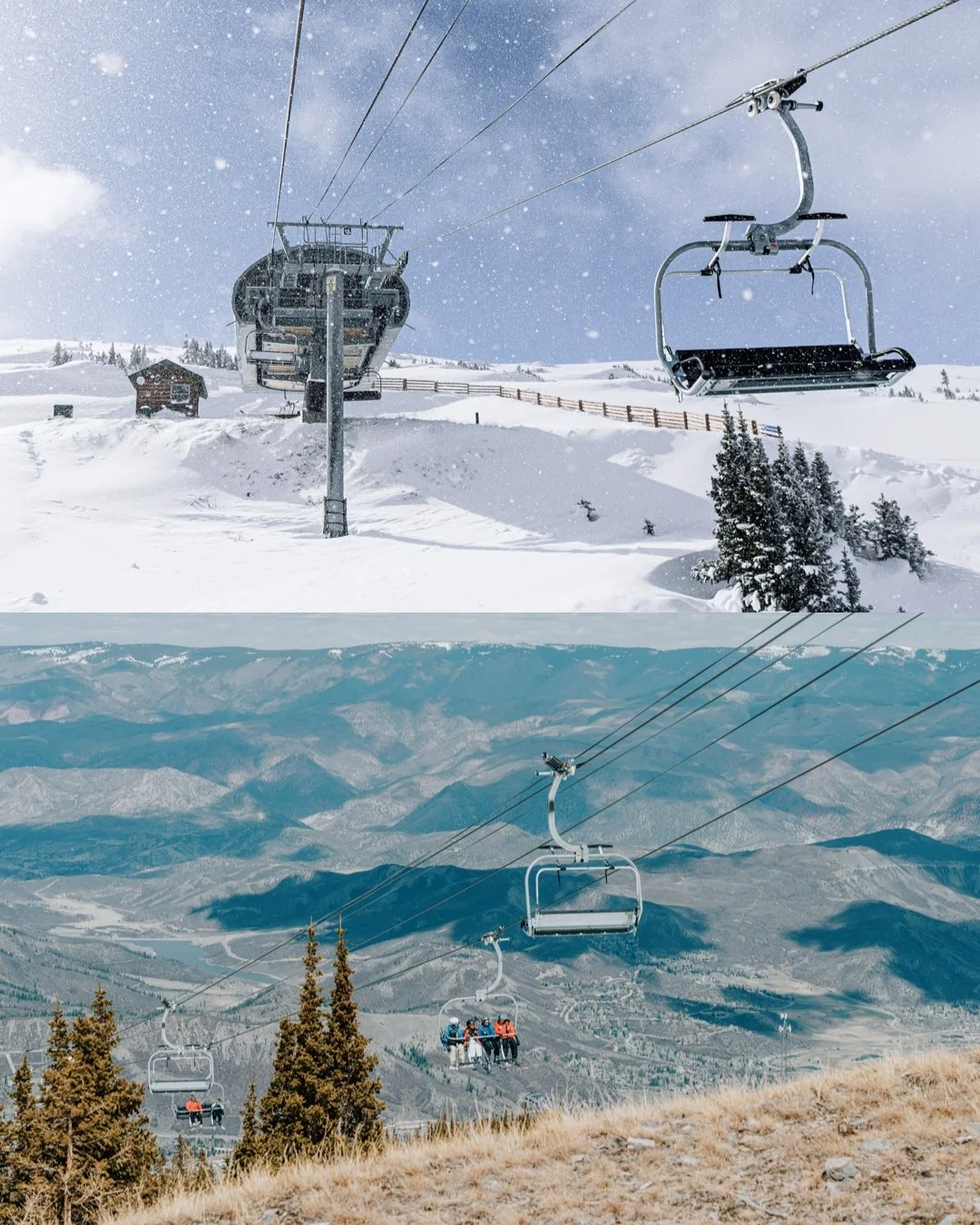
water in the west
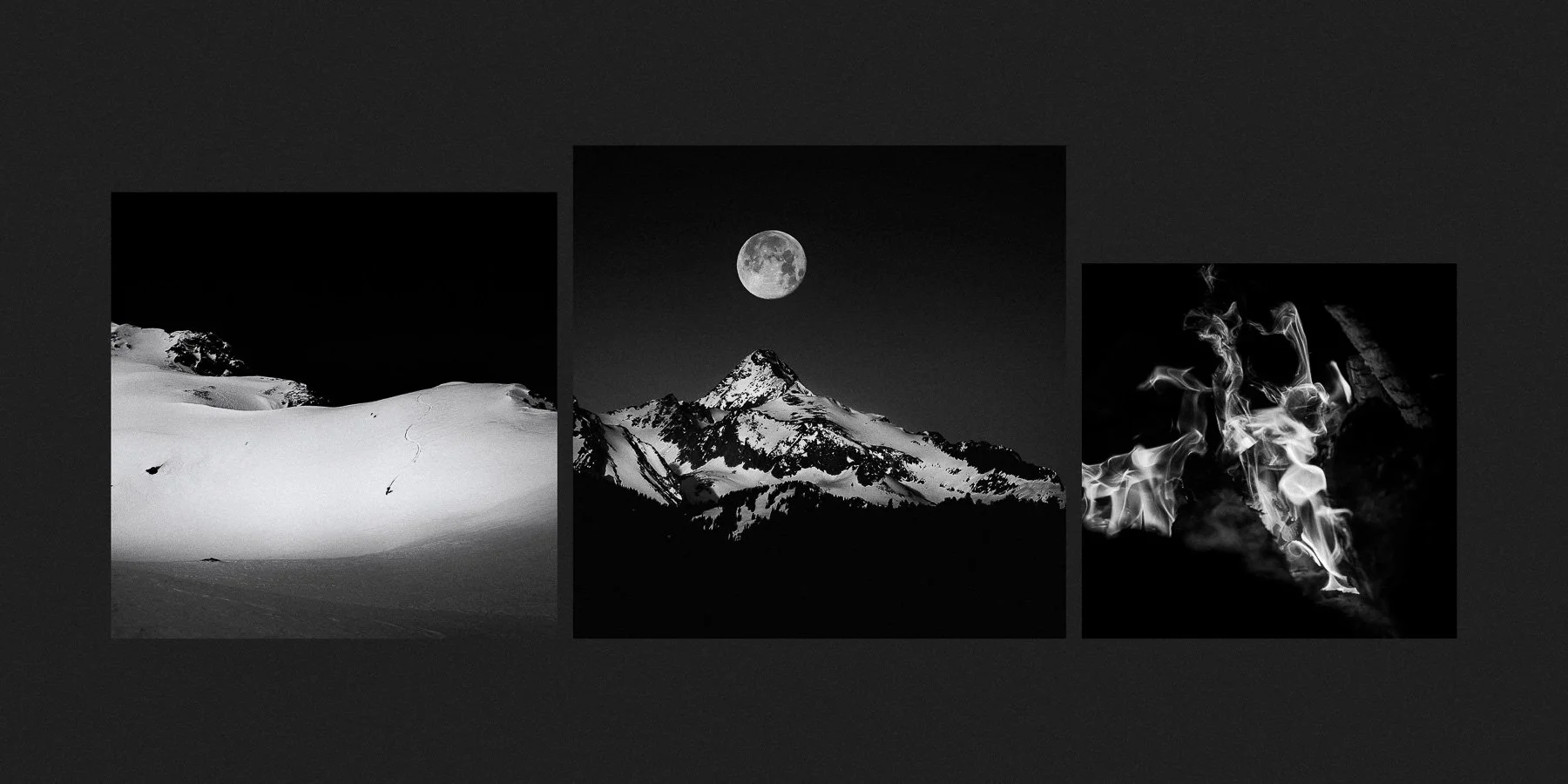
Water in the West is a long-term photographic project examining how climate change is reshaping mountain landscapes in Colorado’s Roaring Fork Valley. In this high-elevation watershed, winter snowpack functions as a frozen reservoir that sustains ecosystems, agriculture, and communities throughout the year. As winters grow shorter and snowpack declines, the balance between snow, water, and fire is shifting—extending wildfire seasons, intensifying drought, and altering the rhythms of life in the region.
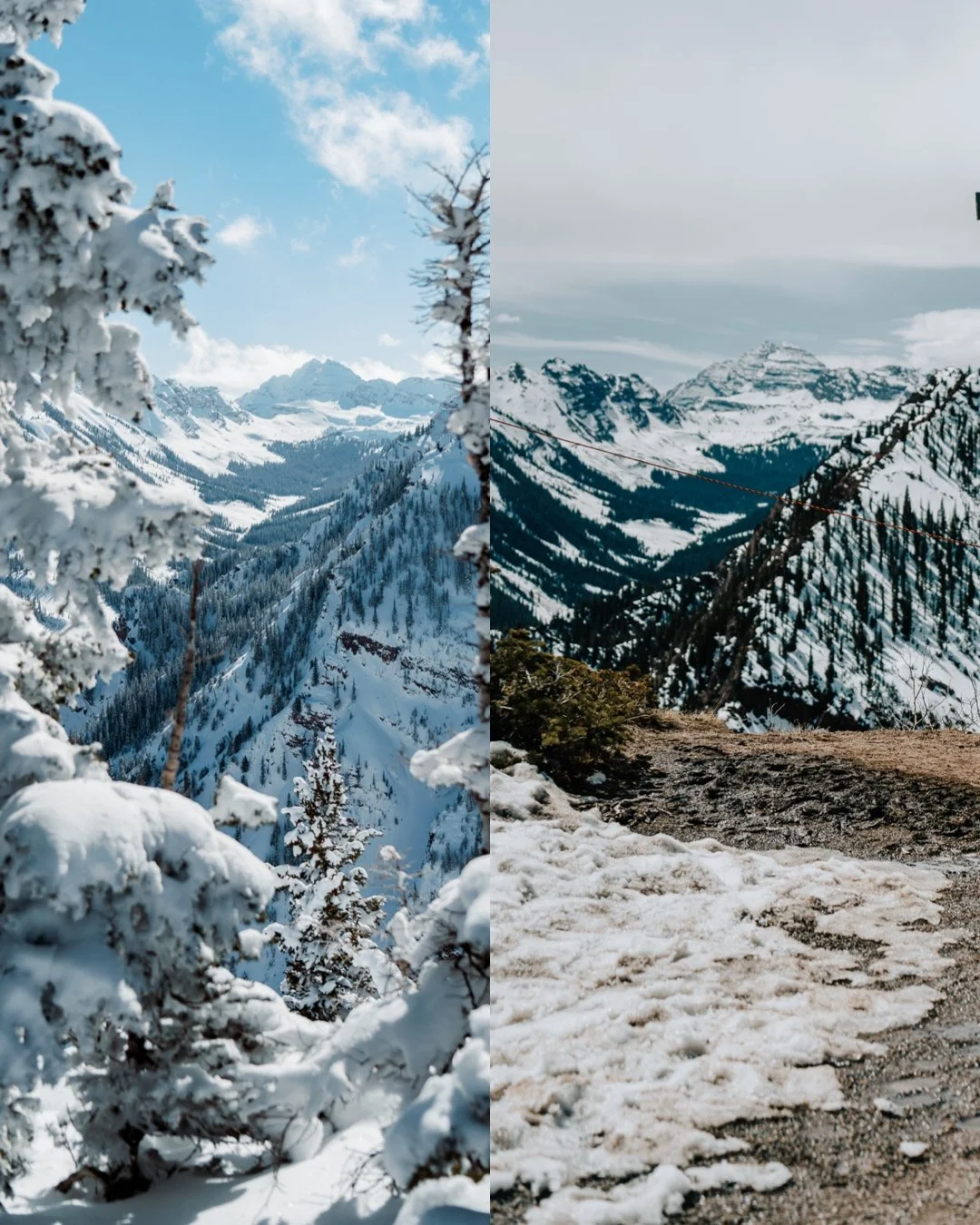
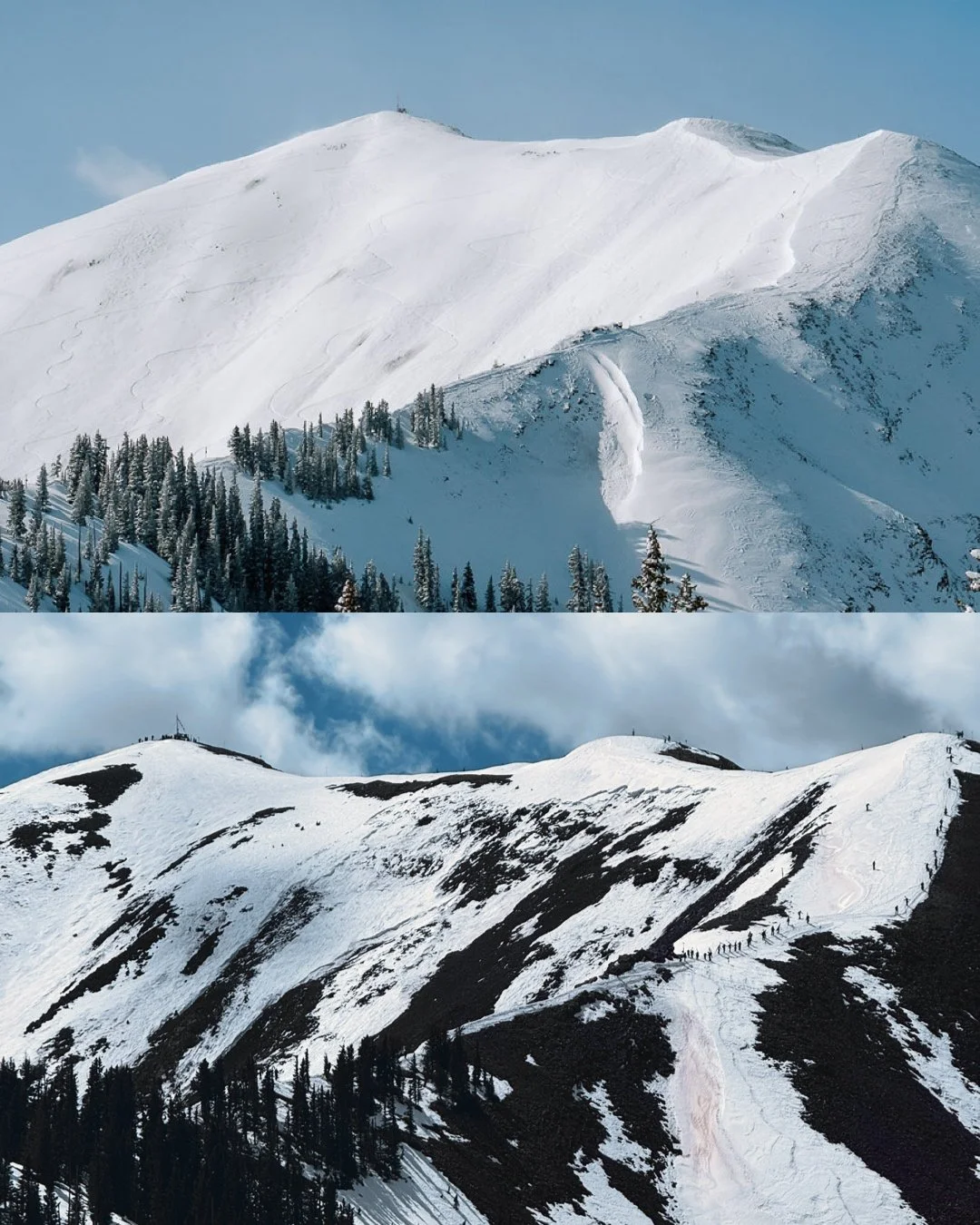
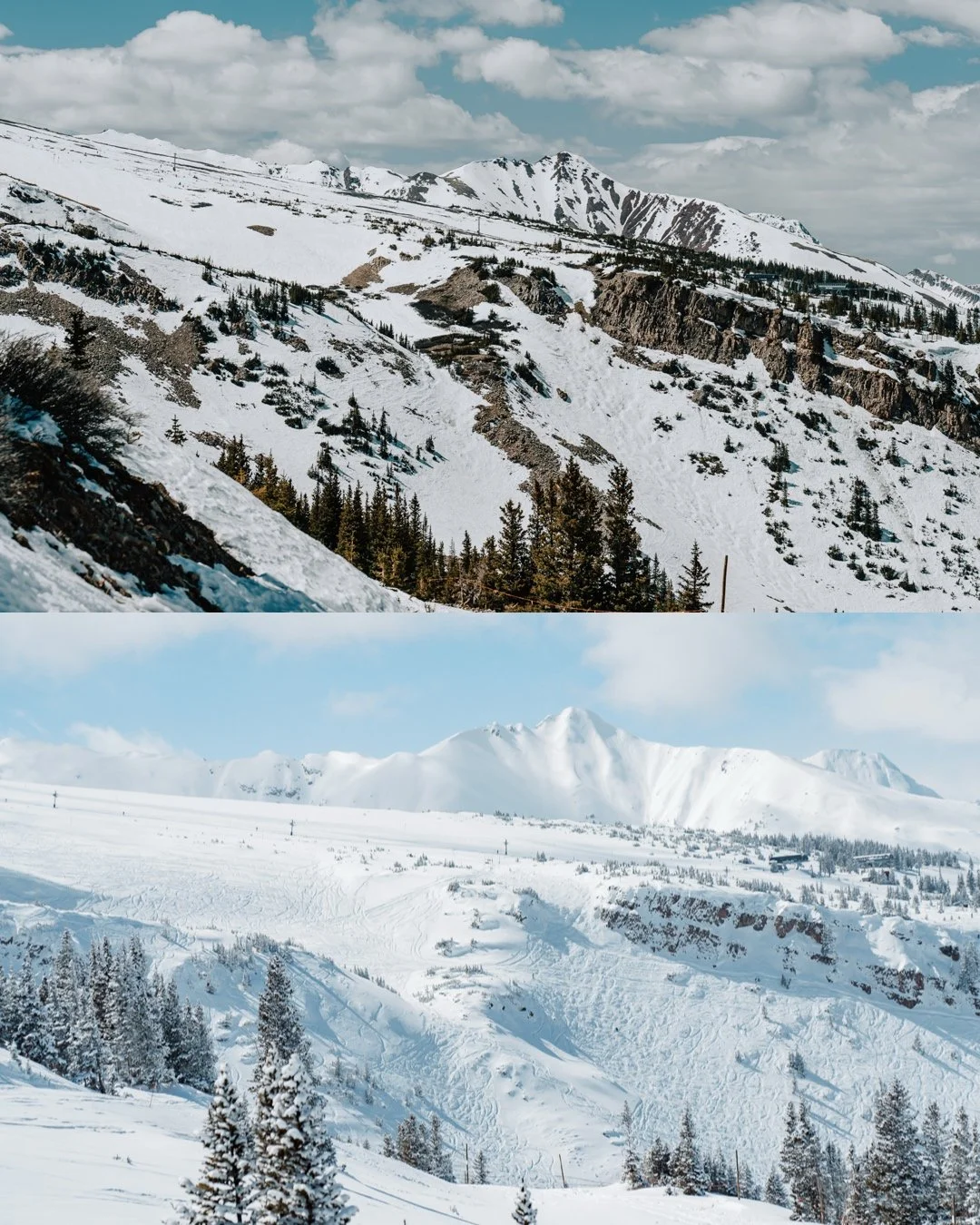
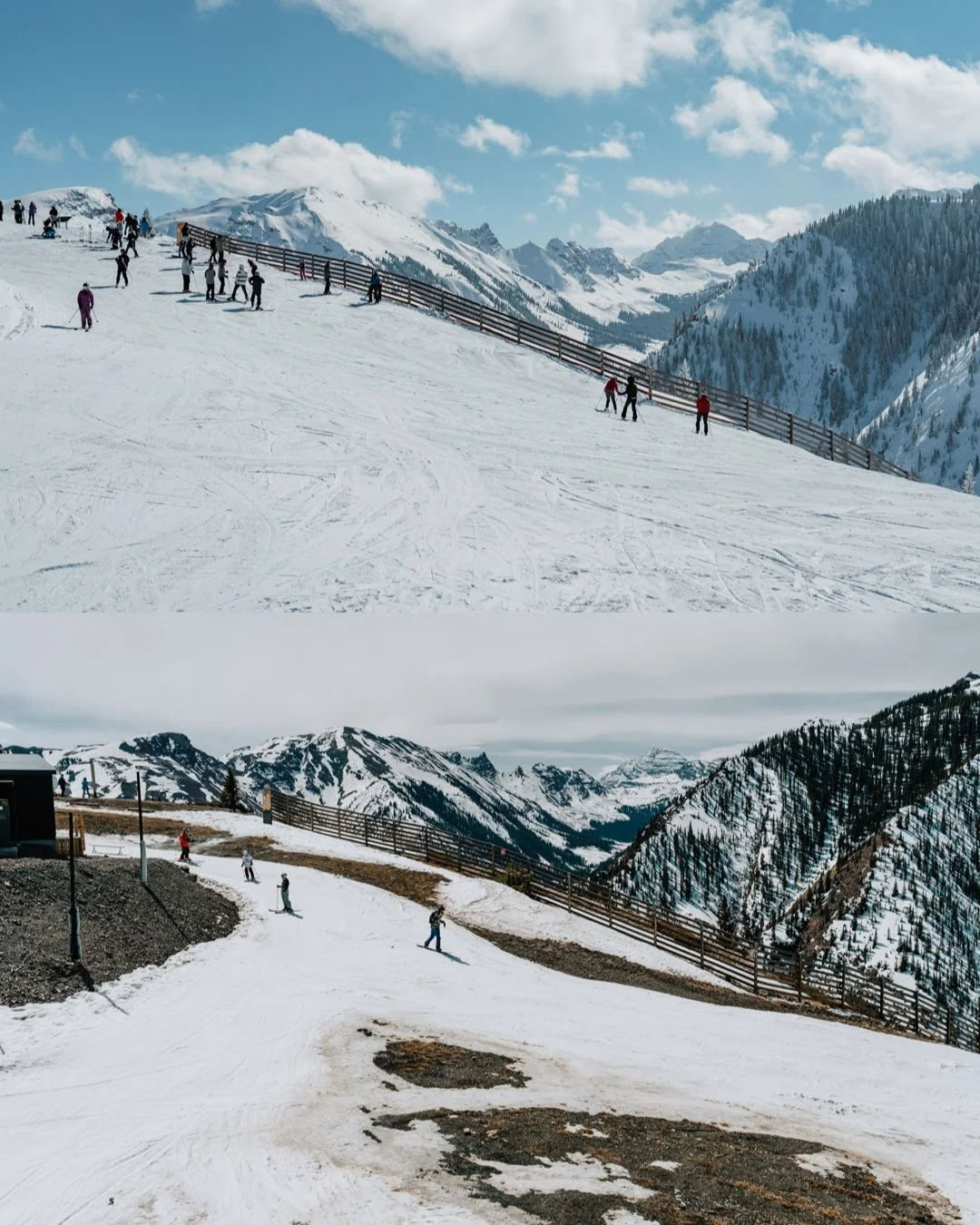
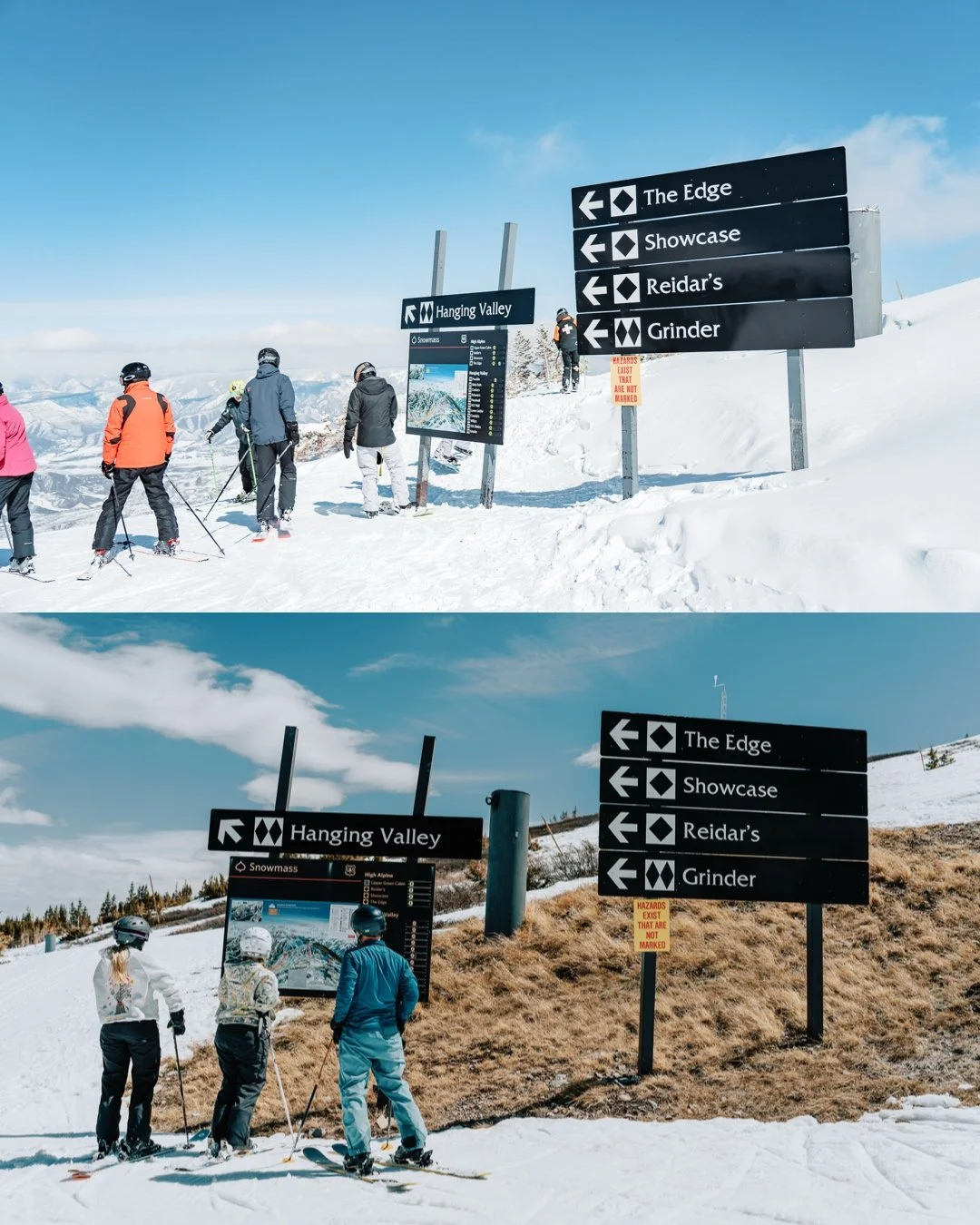
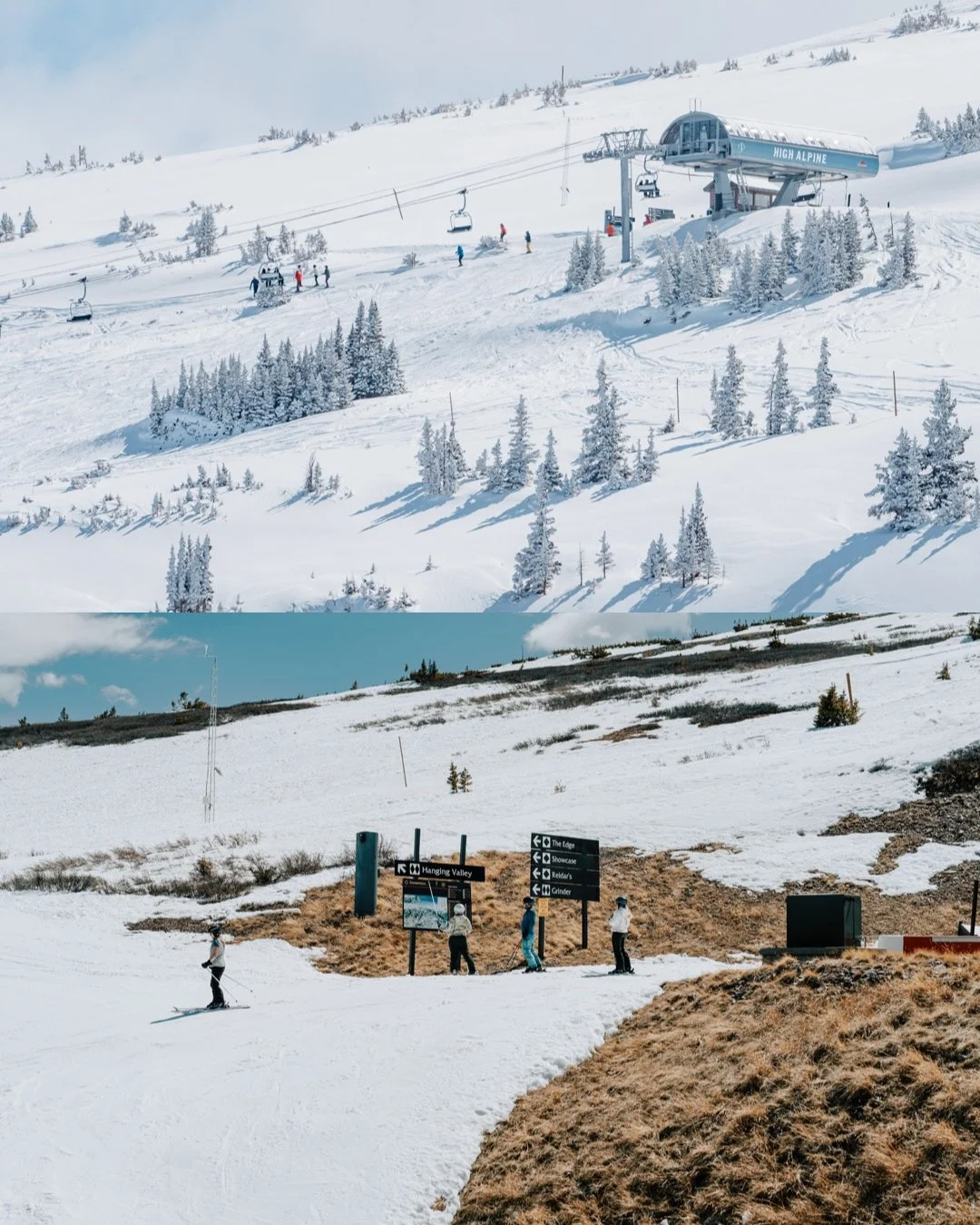
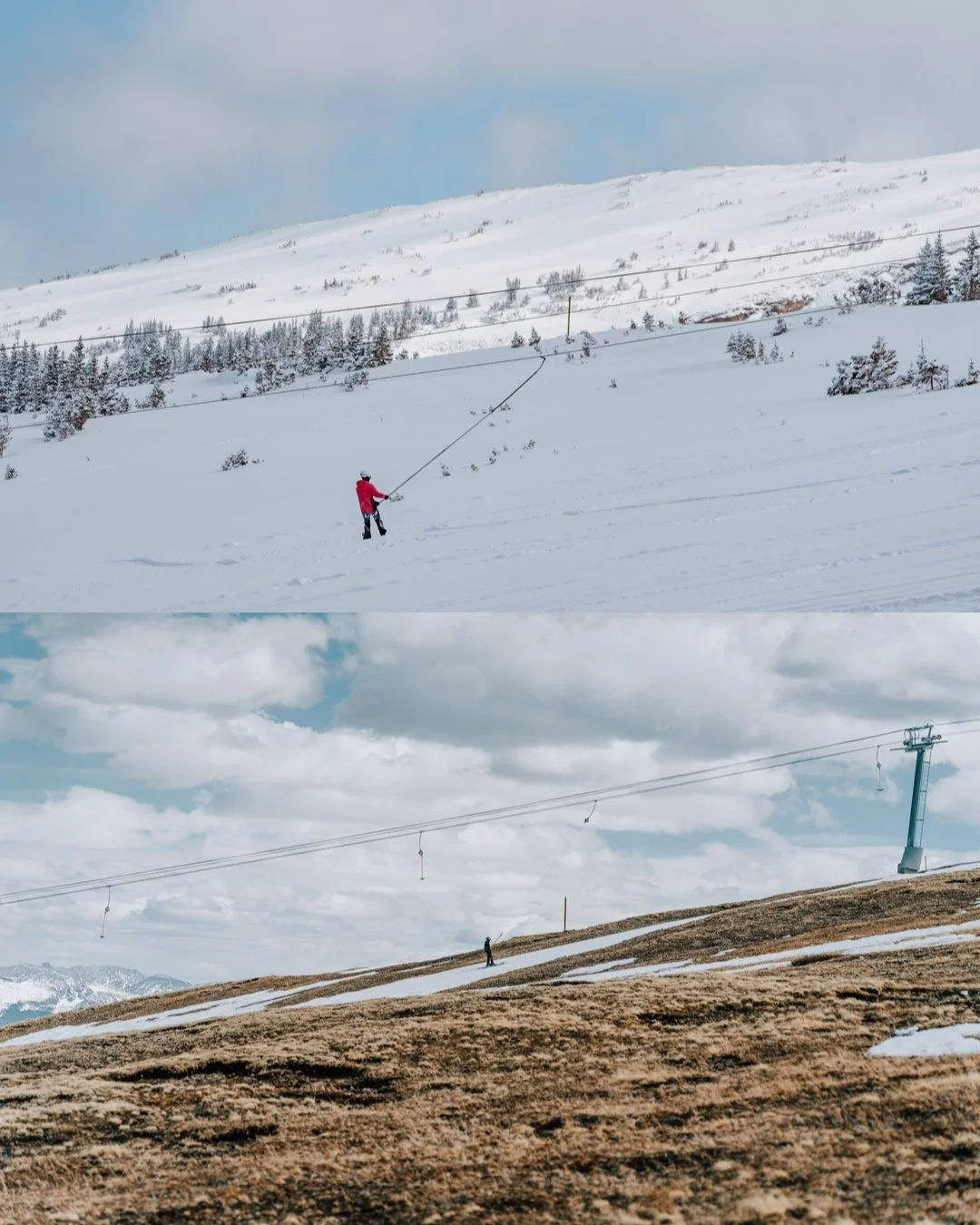
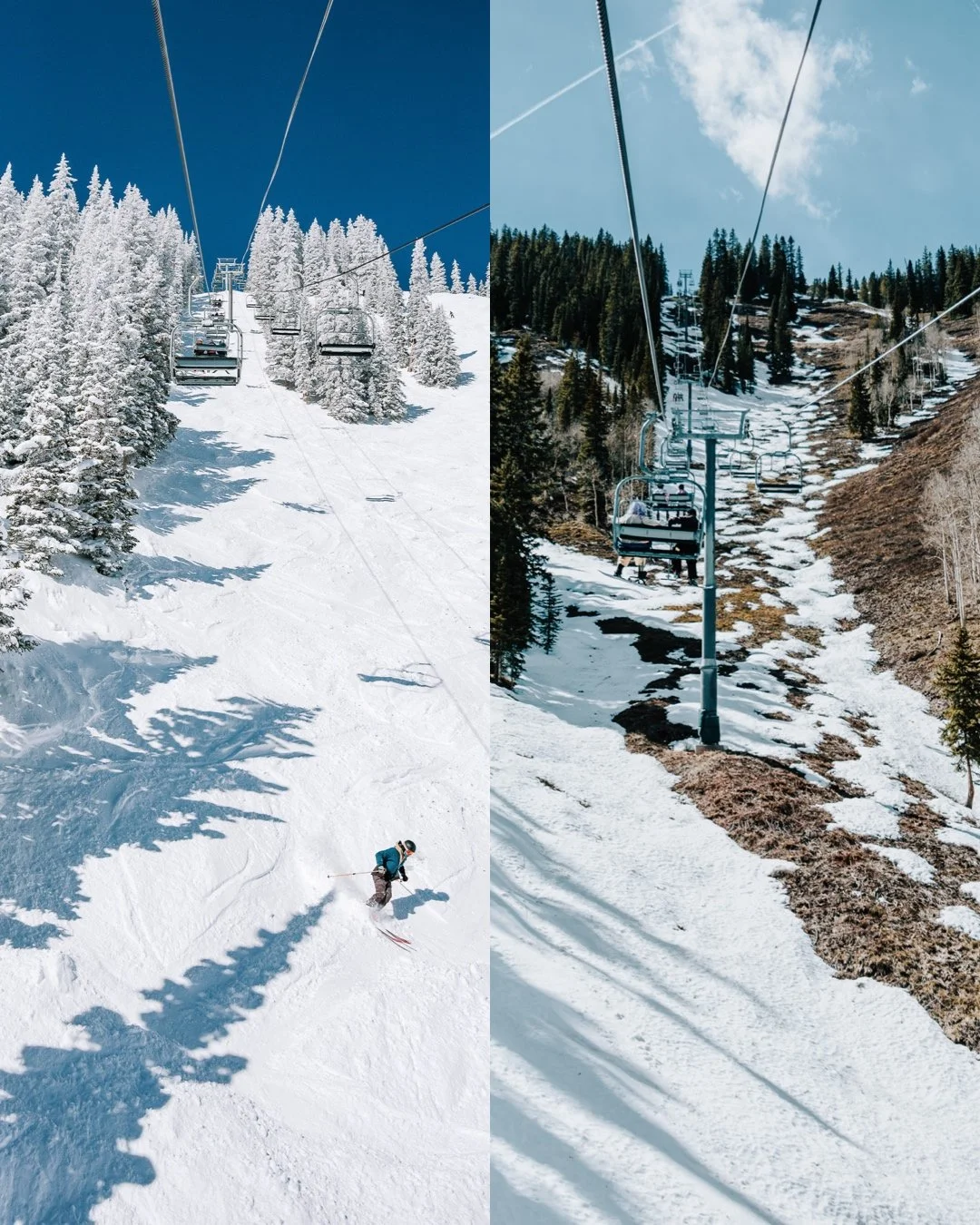
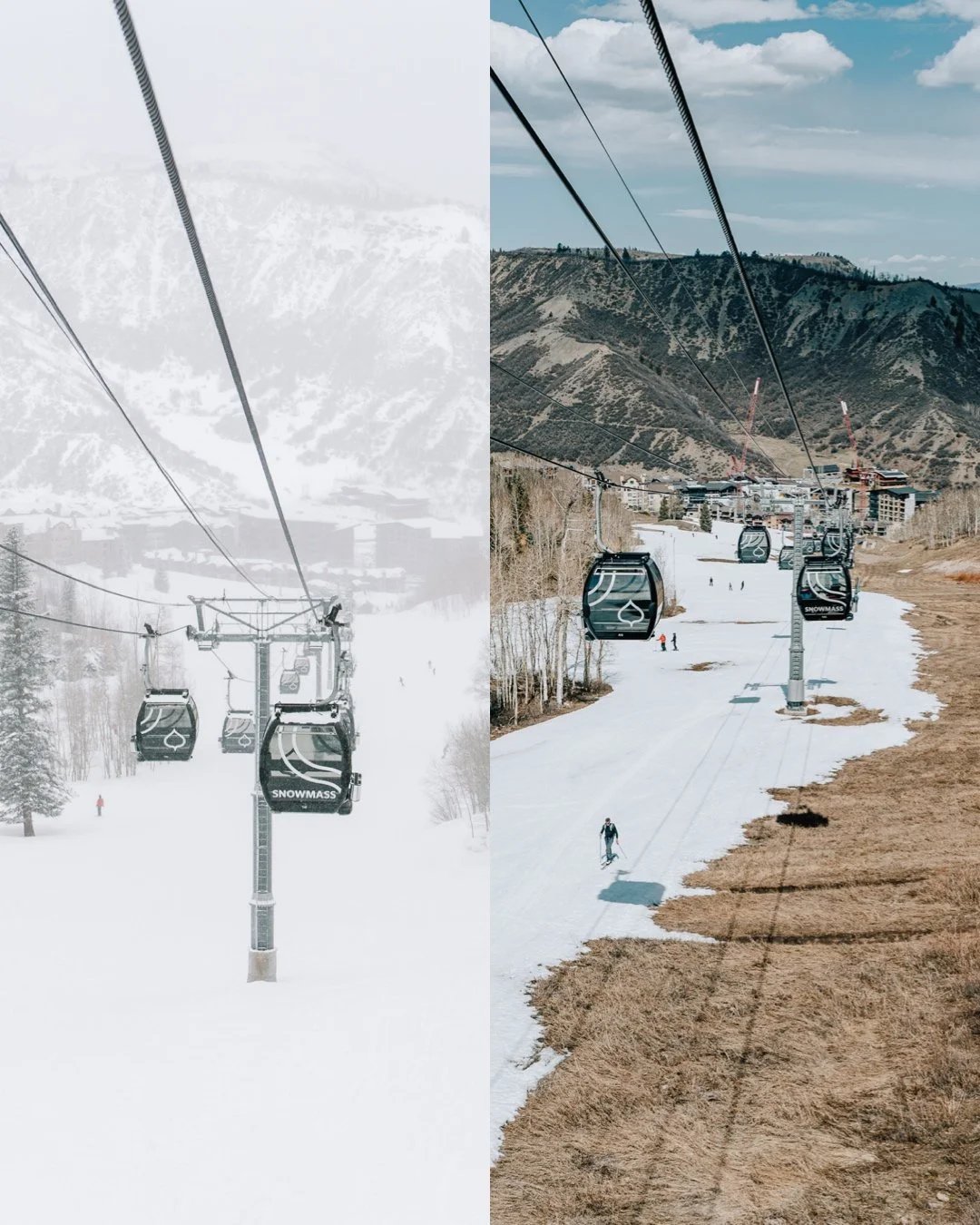
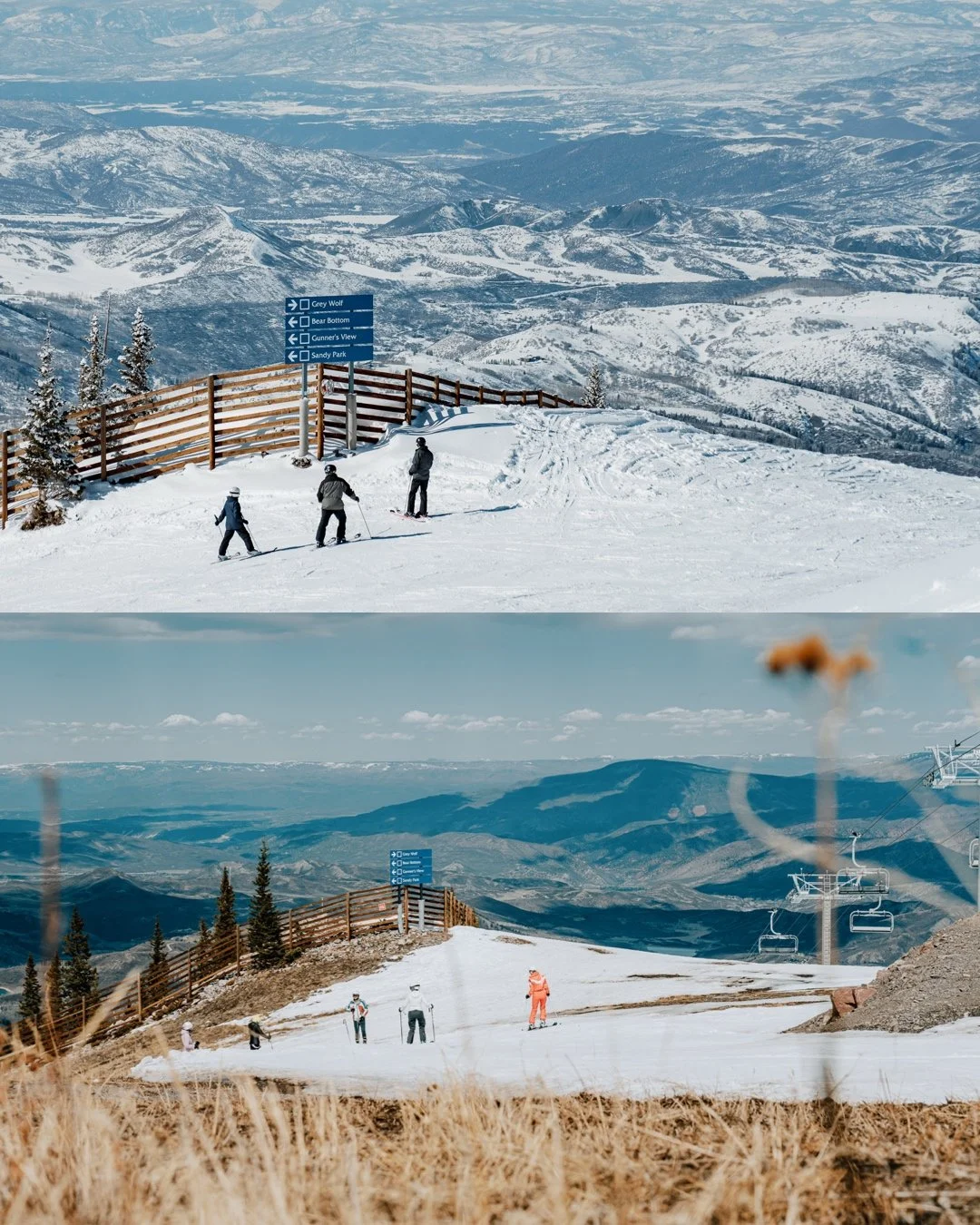
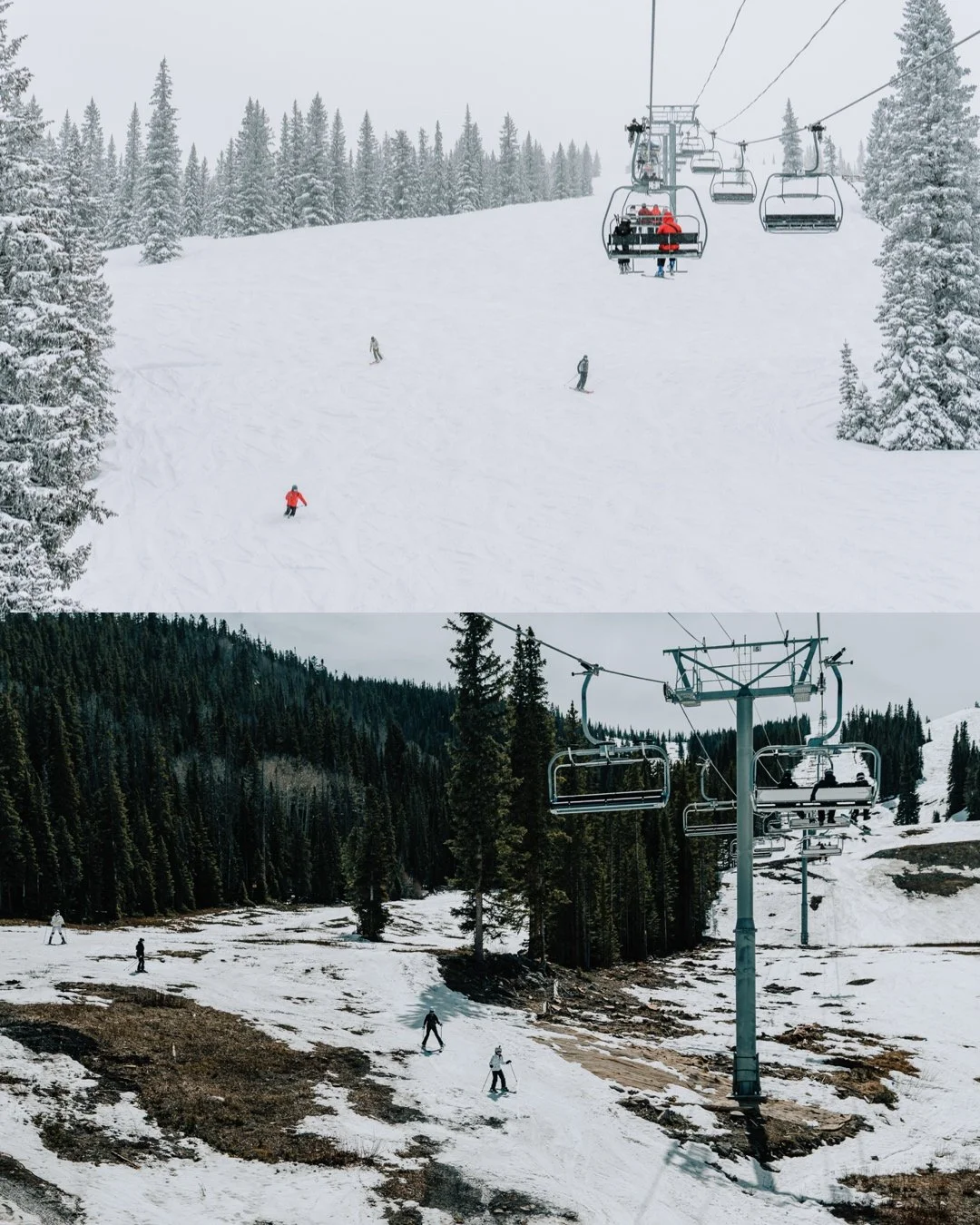
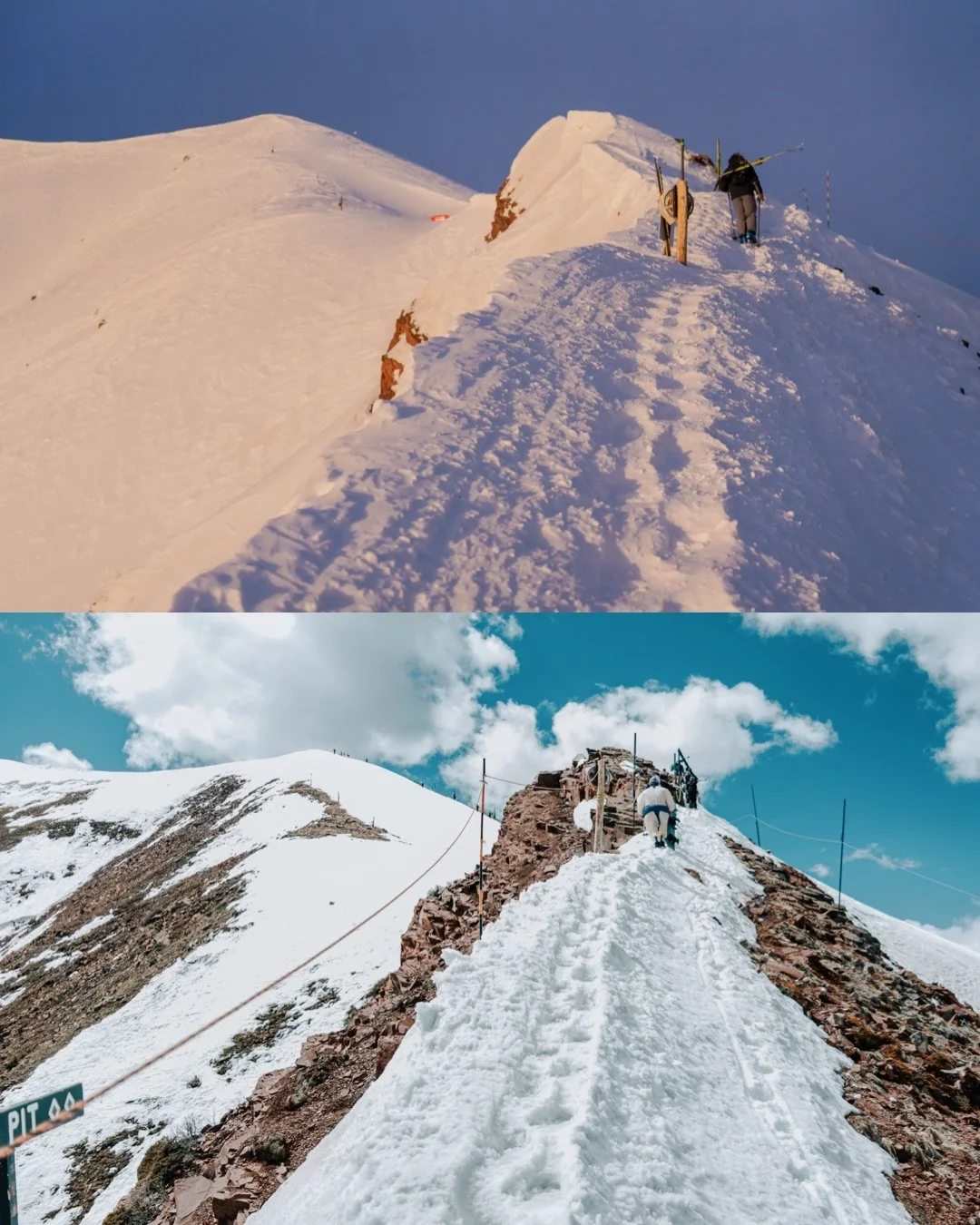
The winter season of 2025–2026 is on track to become one of the lowest snowpack years on record, with historically low snowfall and snow accumulation across much of the Rocky Mountains. In regions that depend on winter snow as their primary water source, these conditions carry profound consequences for ecosystems, water availability, and the long-term stability of mountain communities. The changing winter landscape reveals how closely life in the American West remains tied to snow.
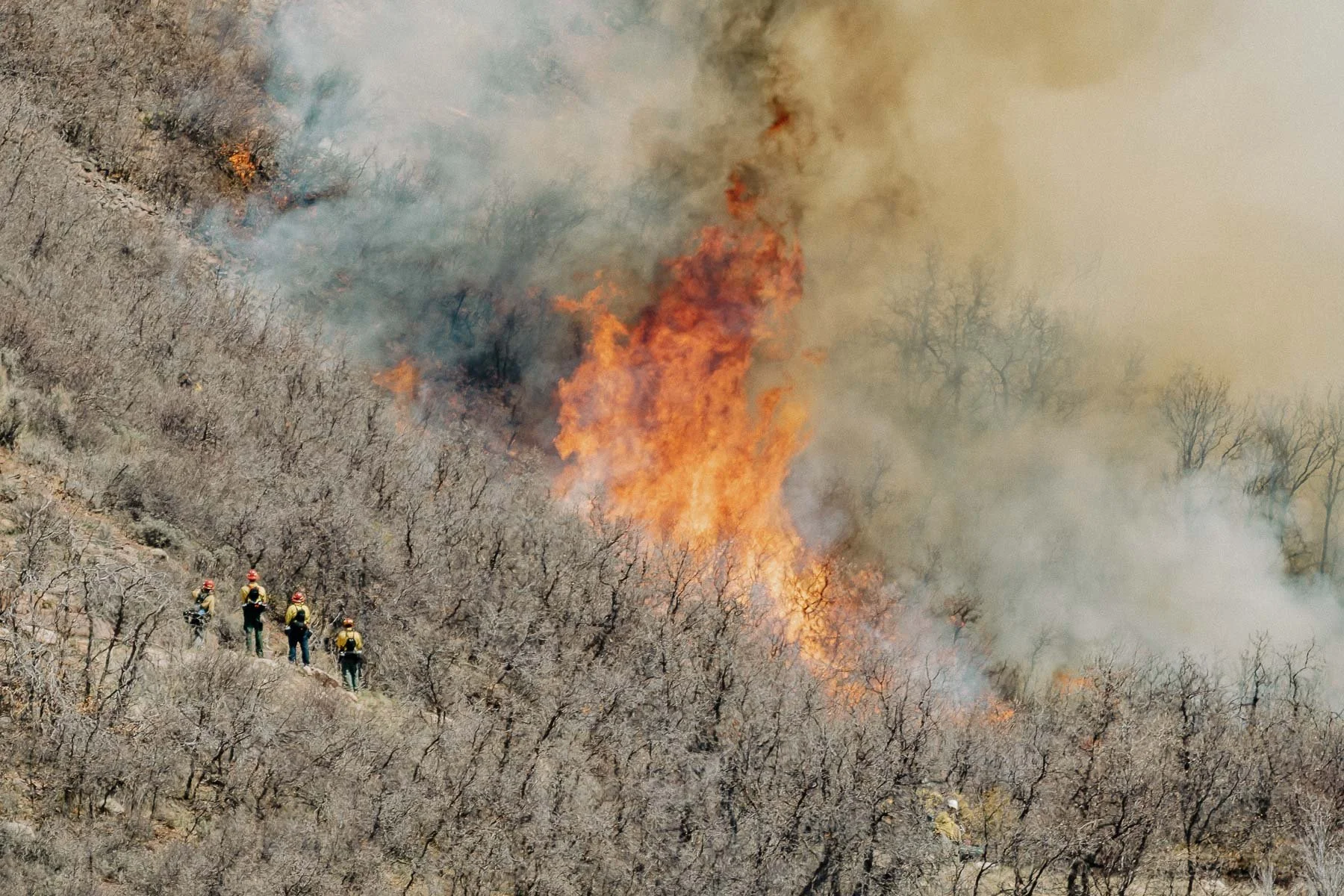
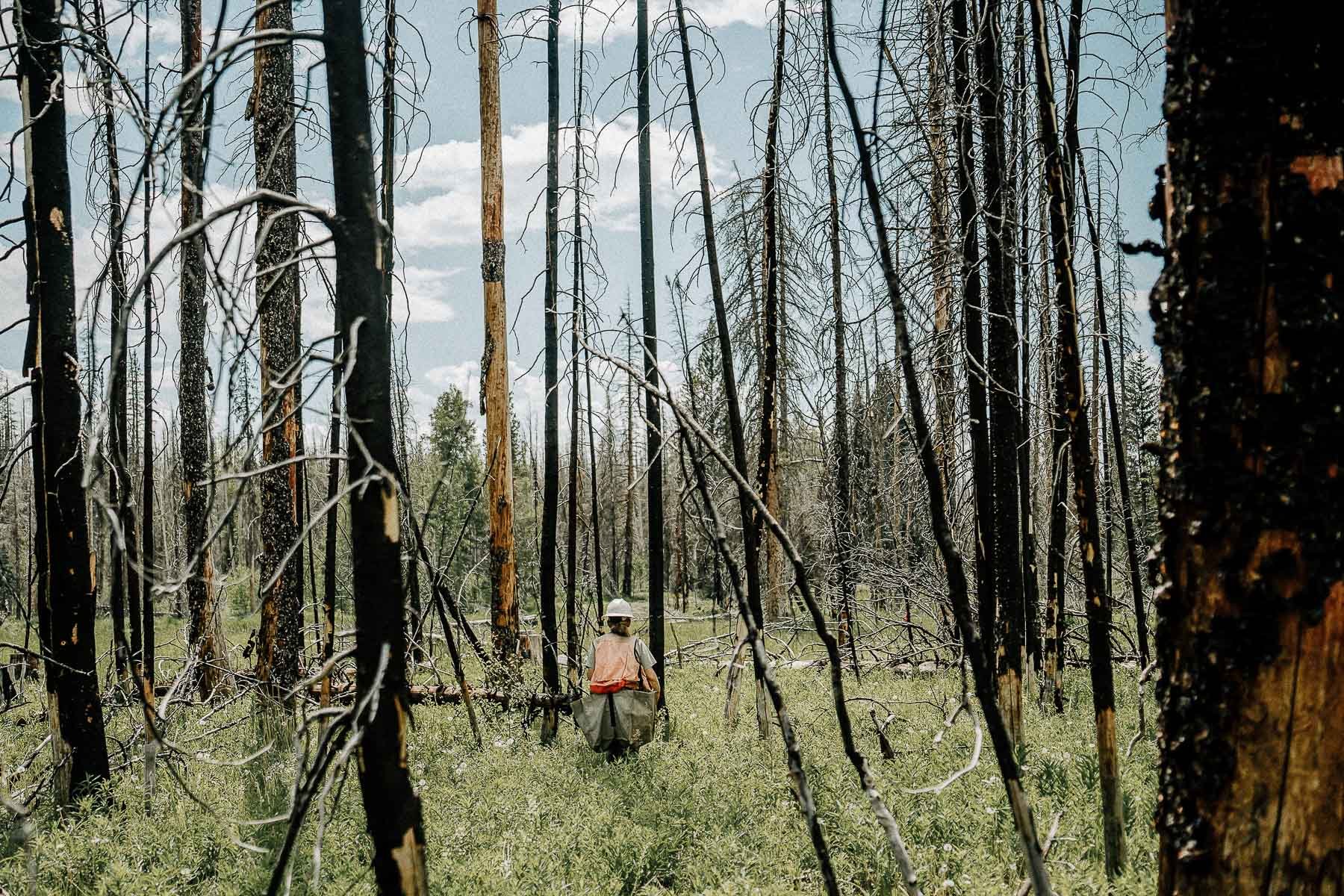
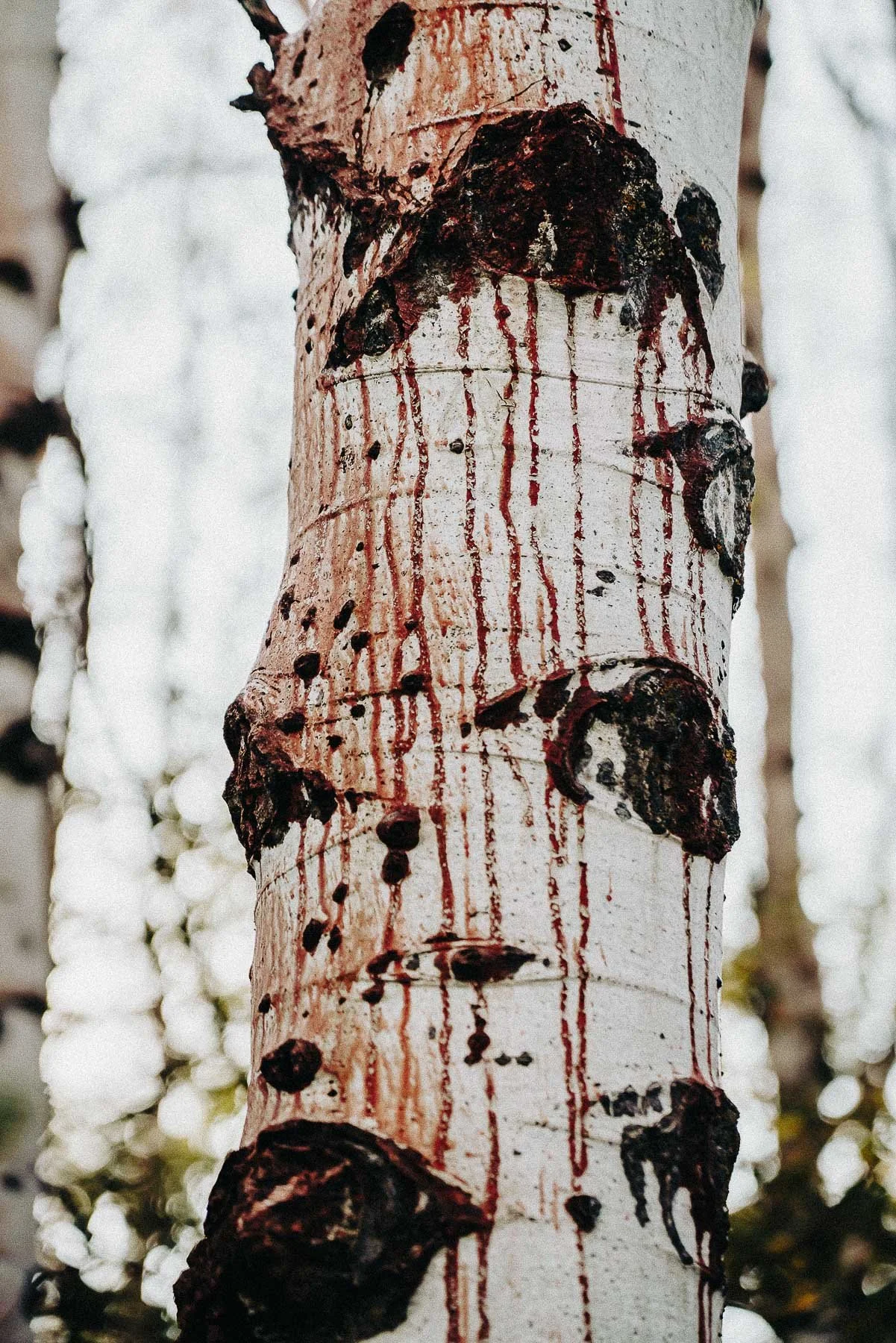
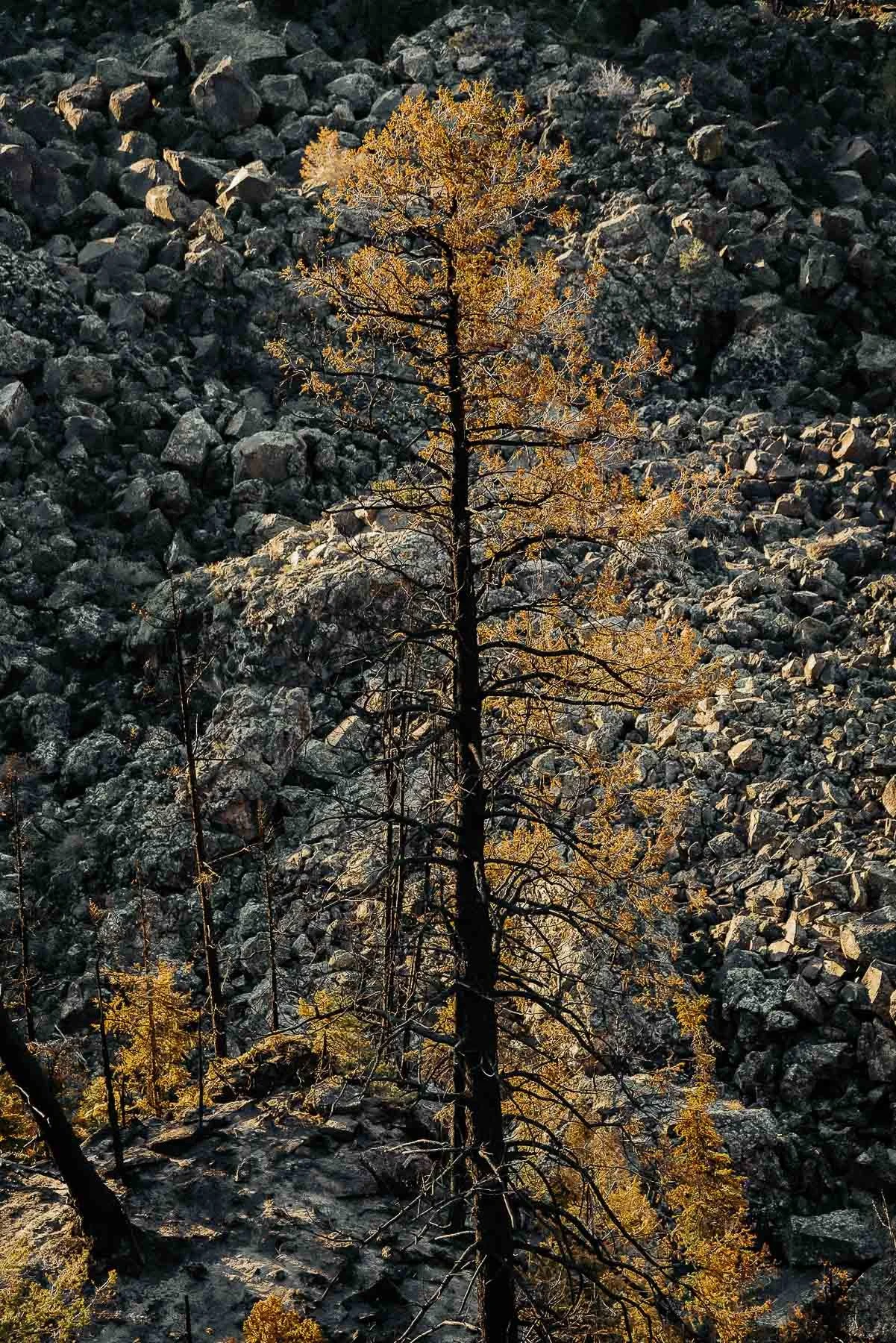

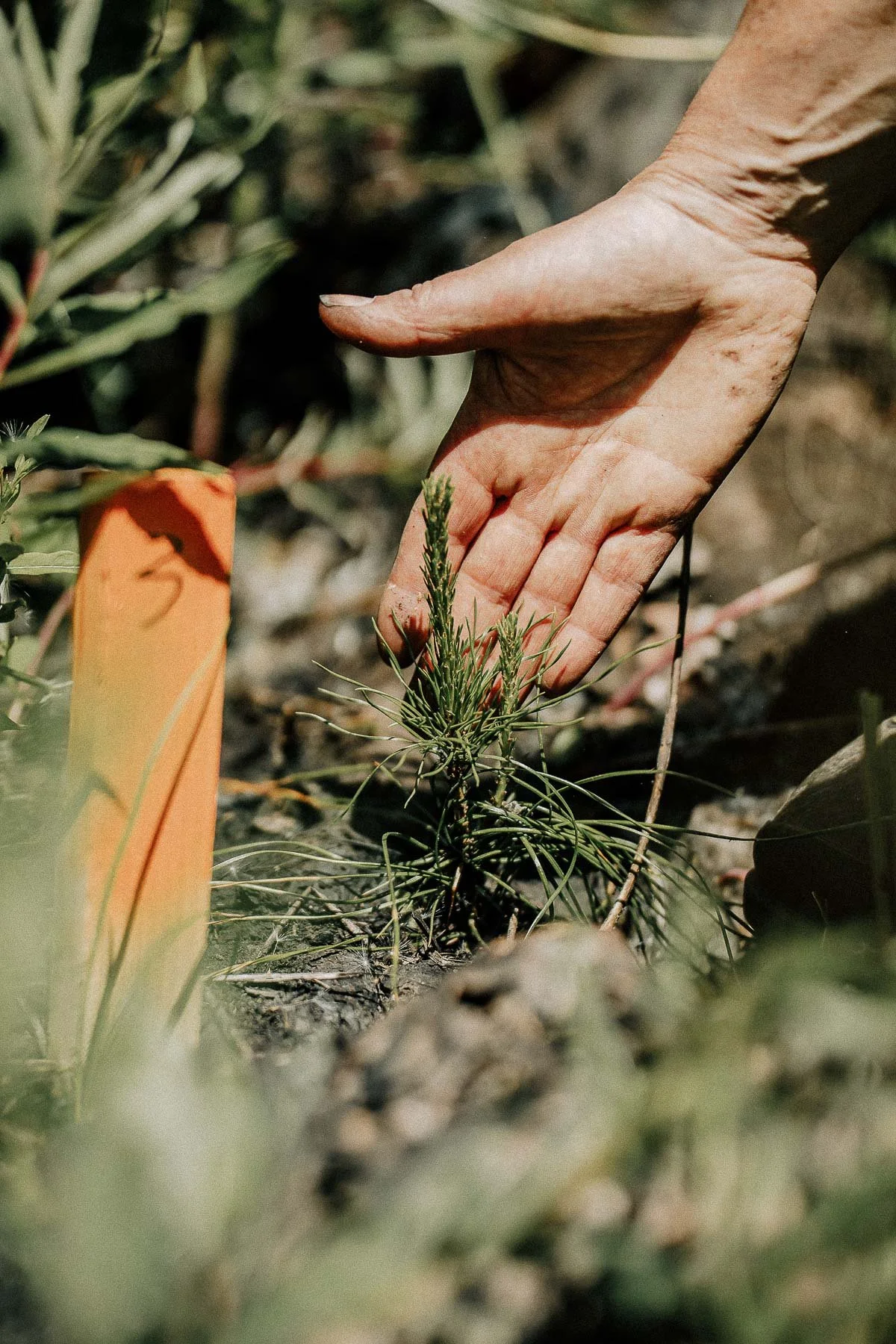
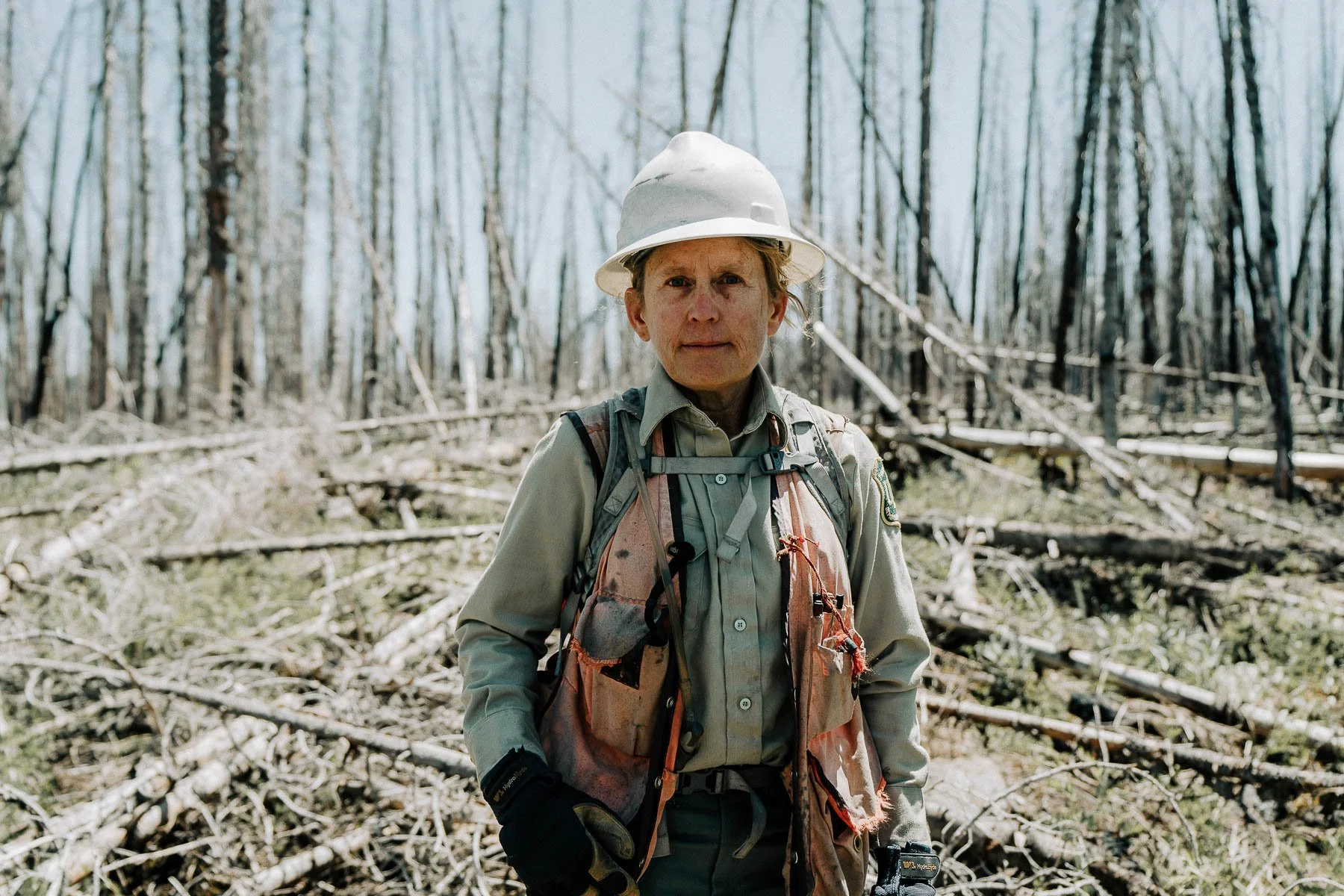

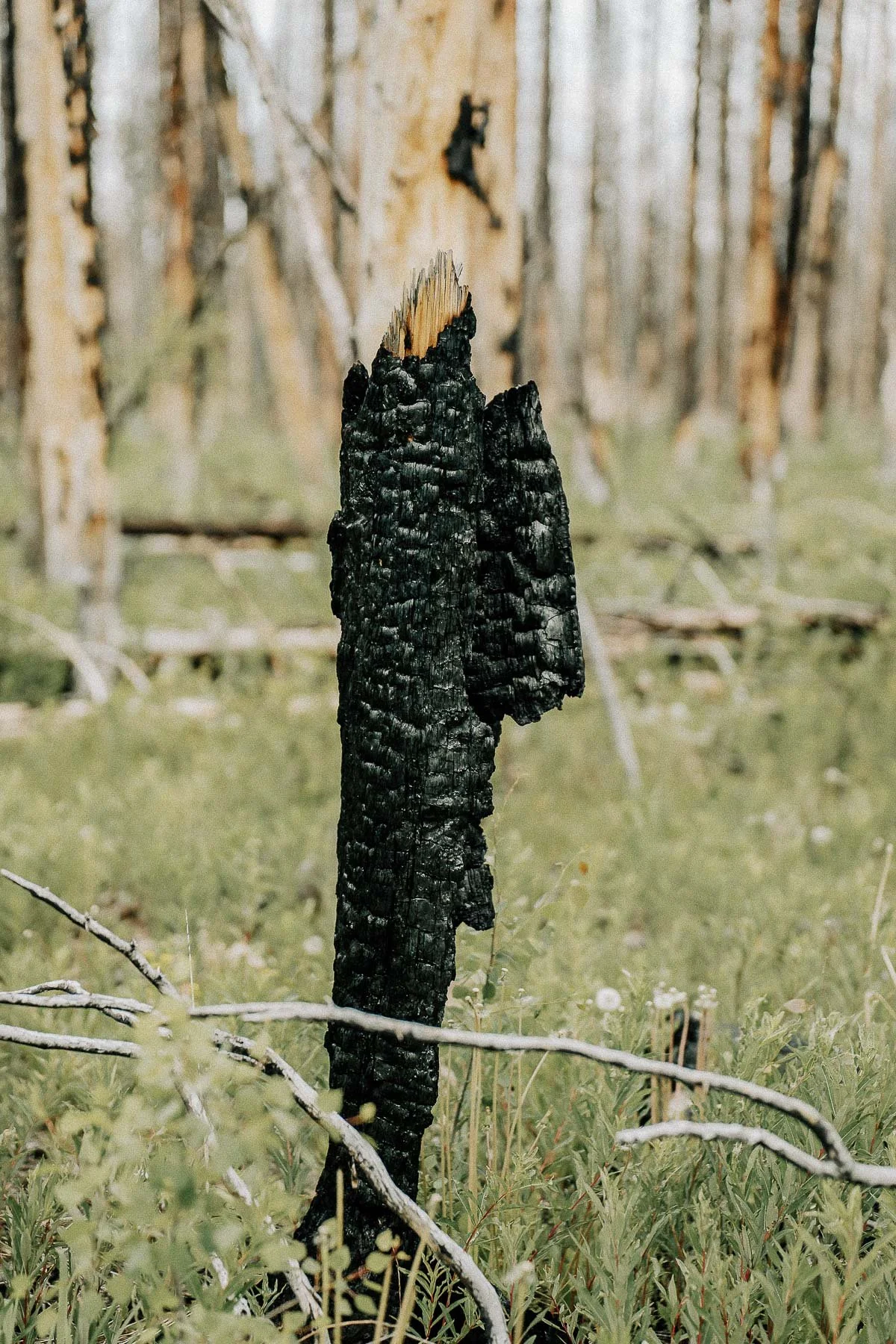
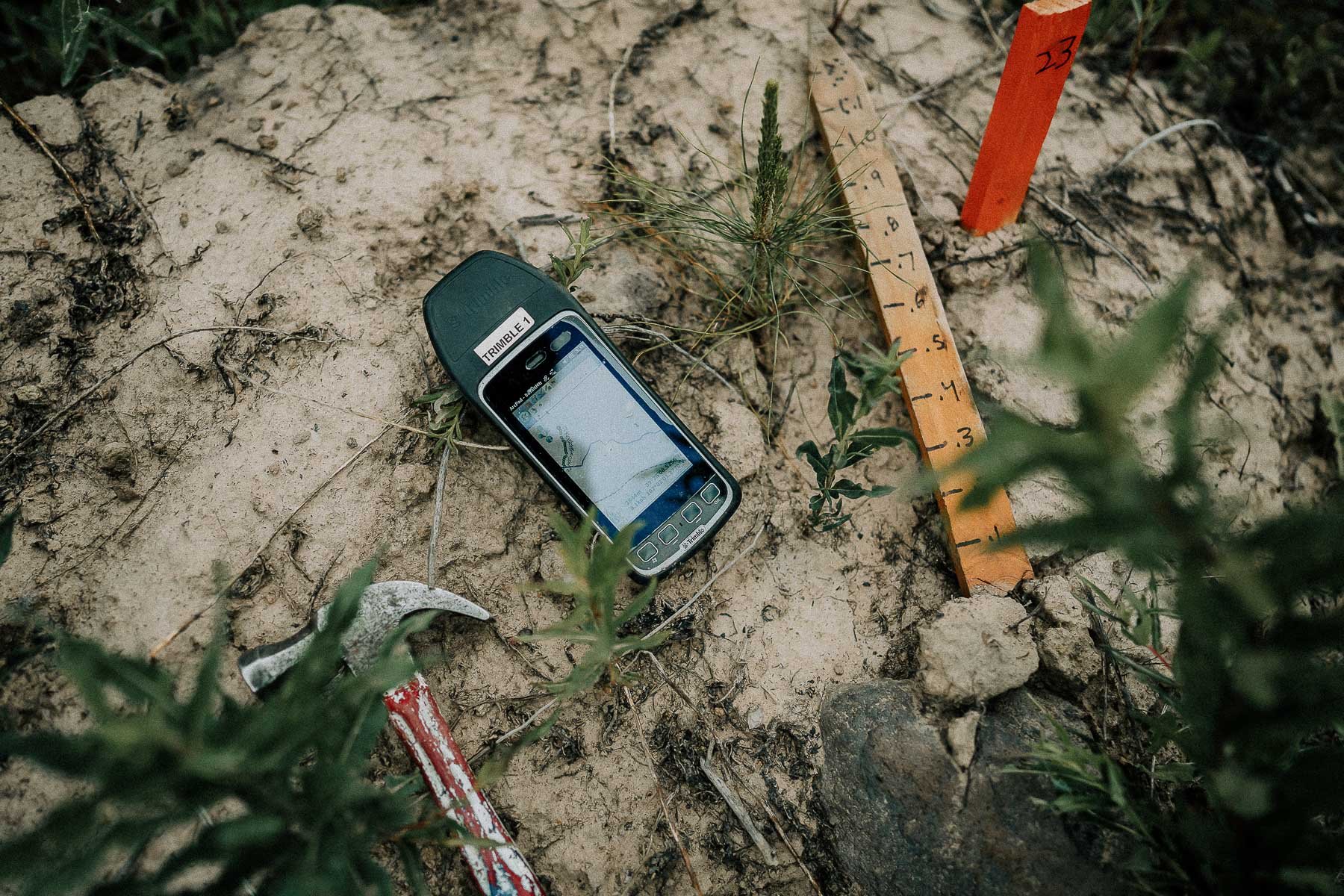


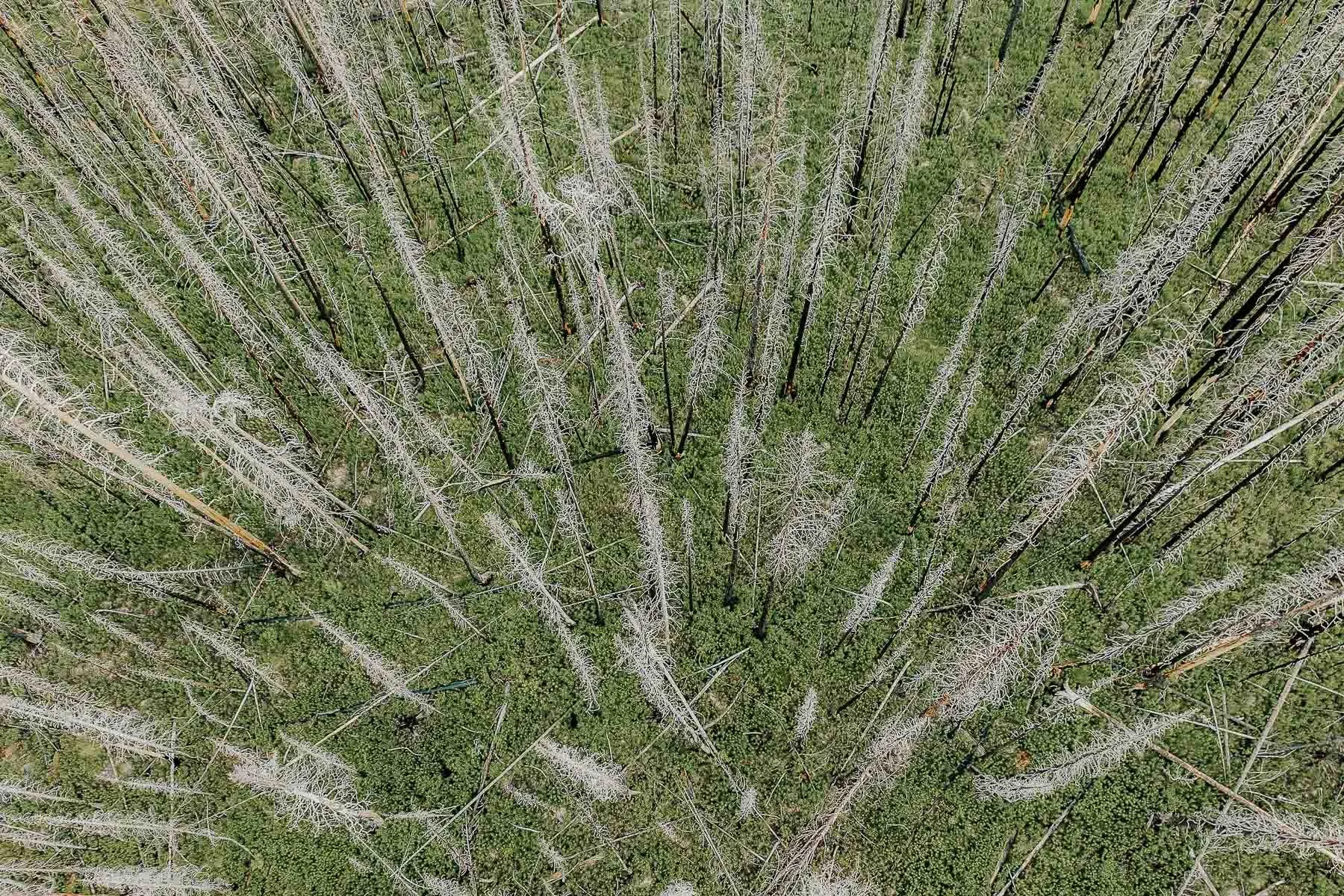
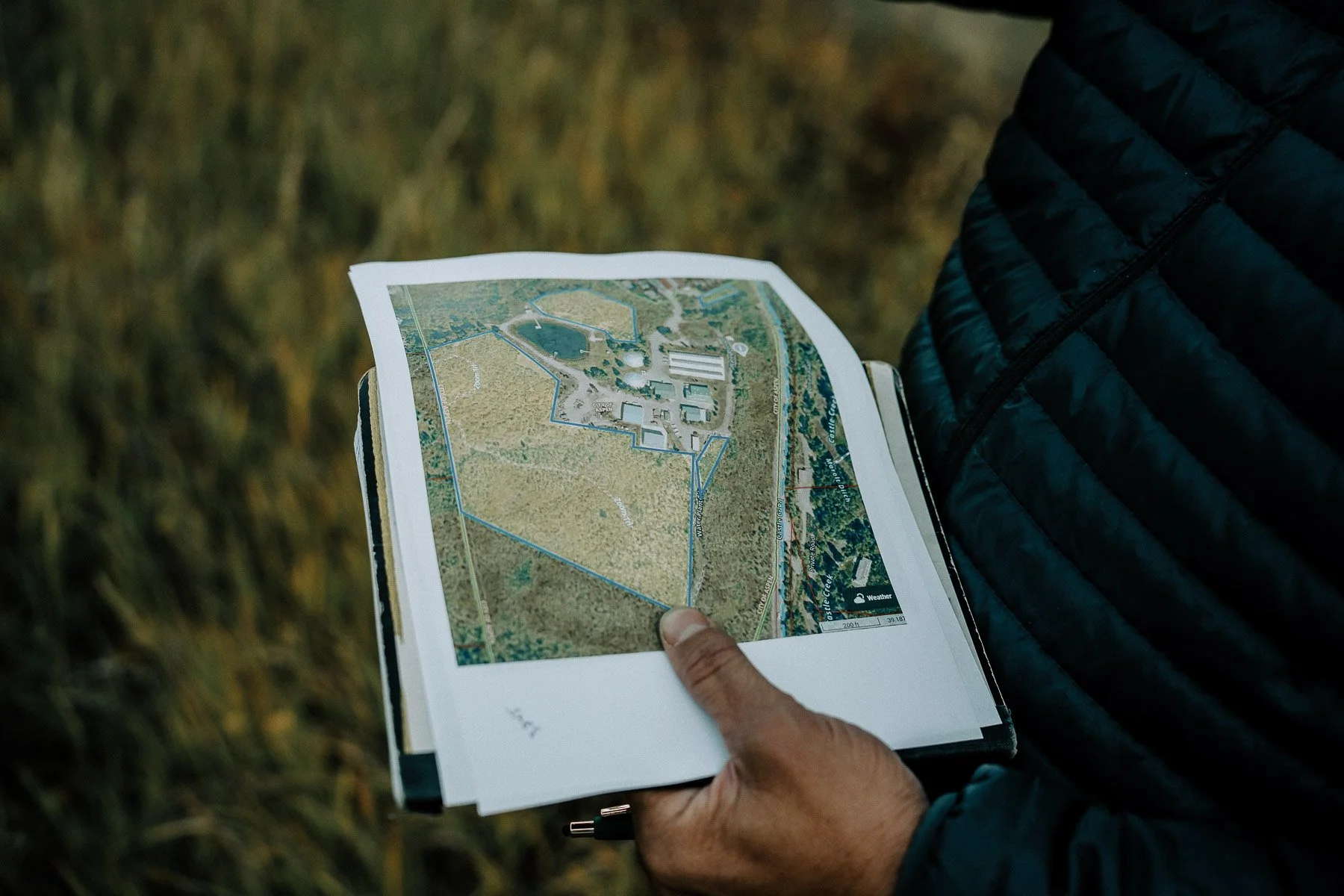

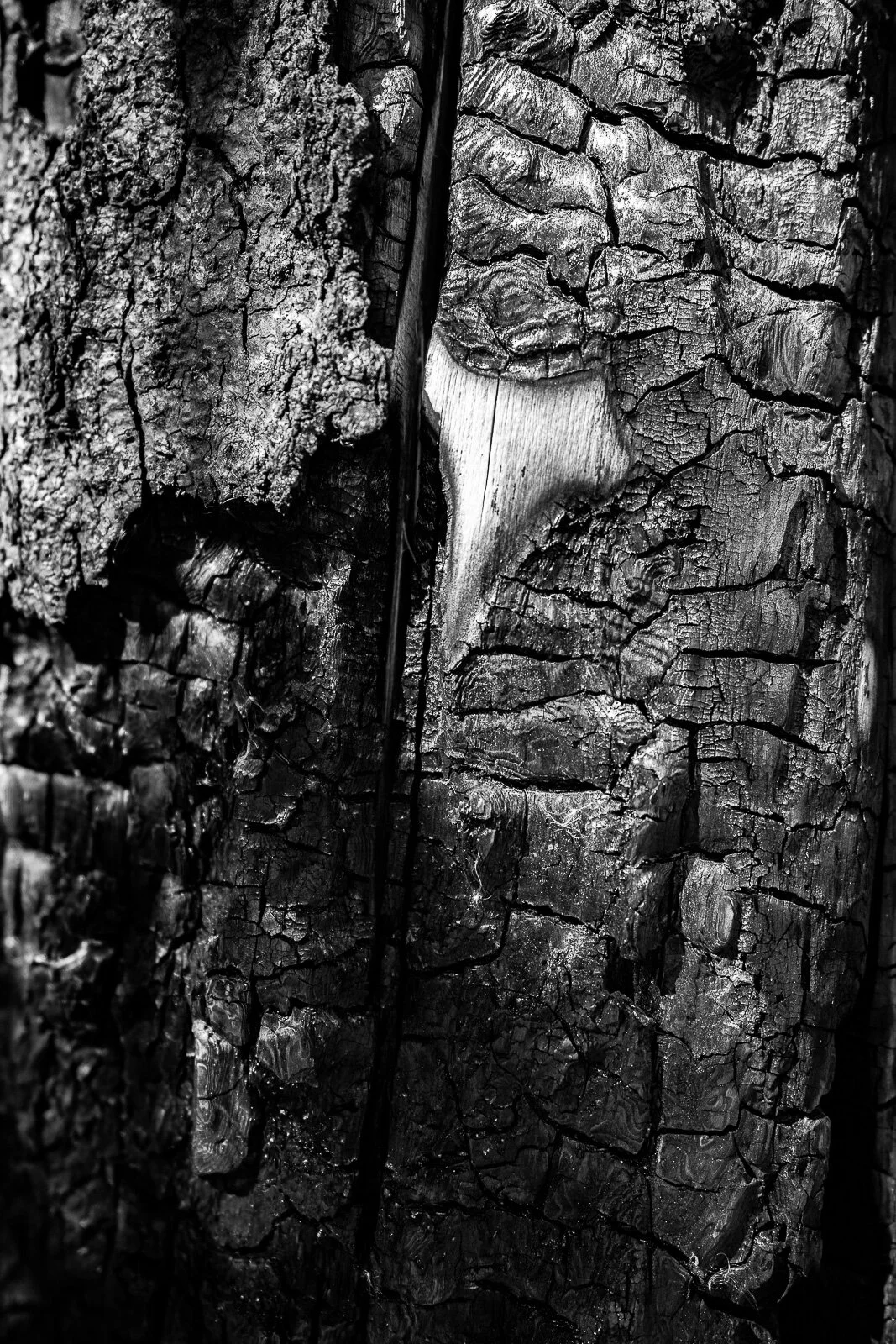
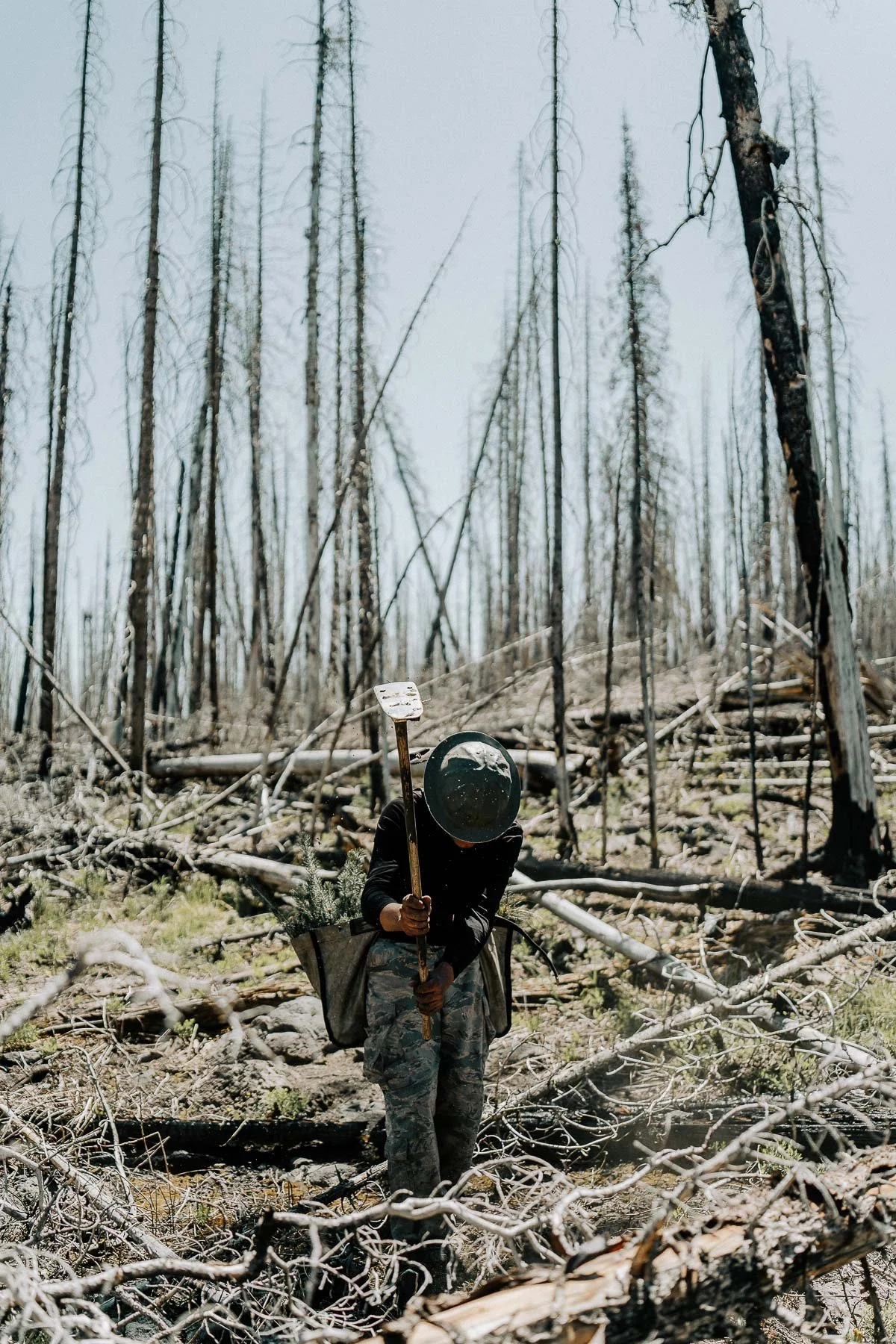
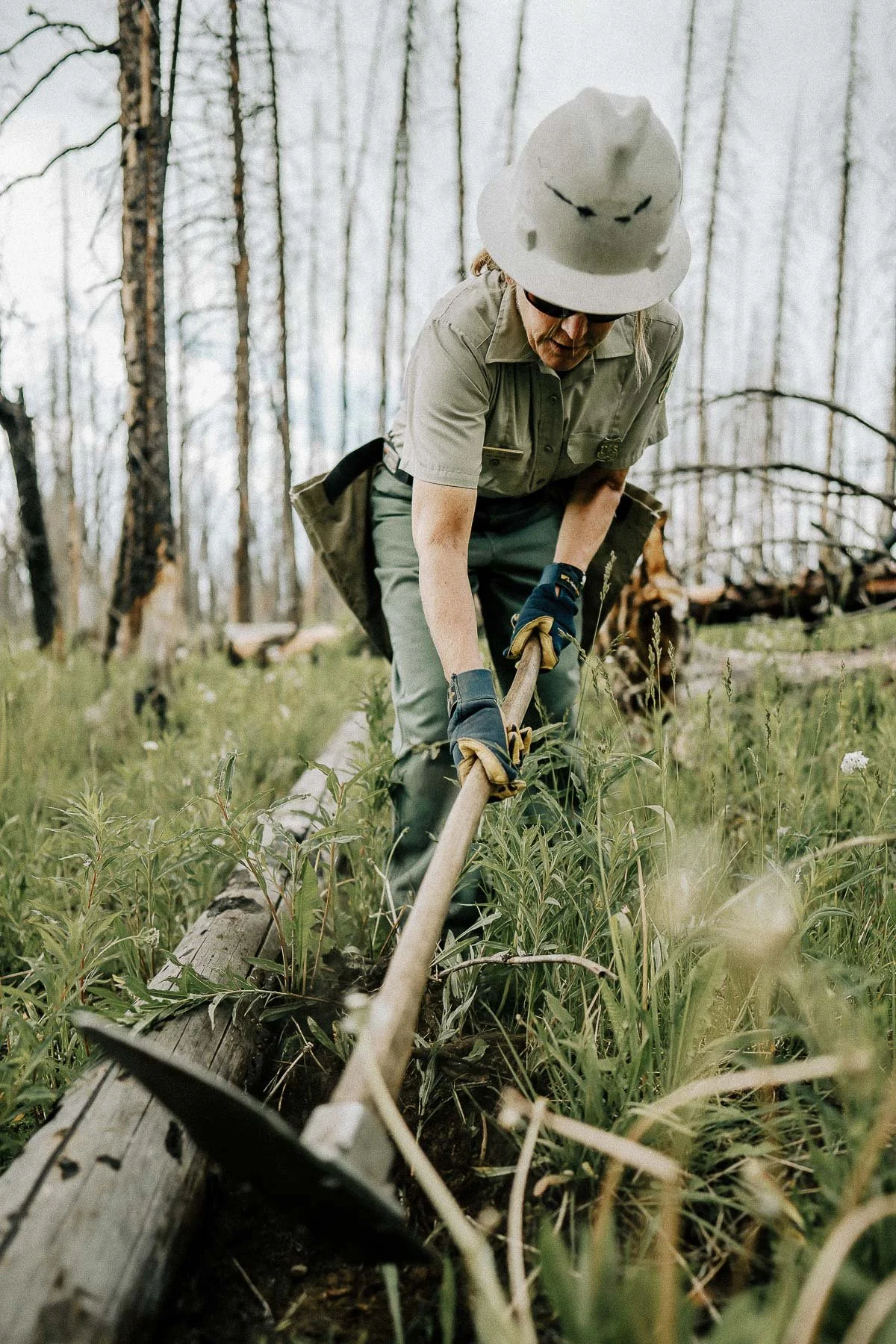
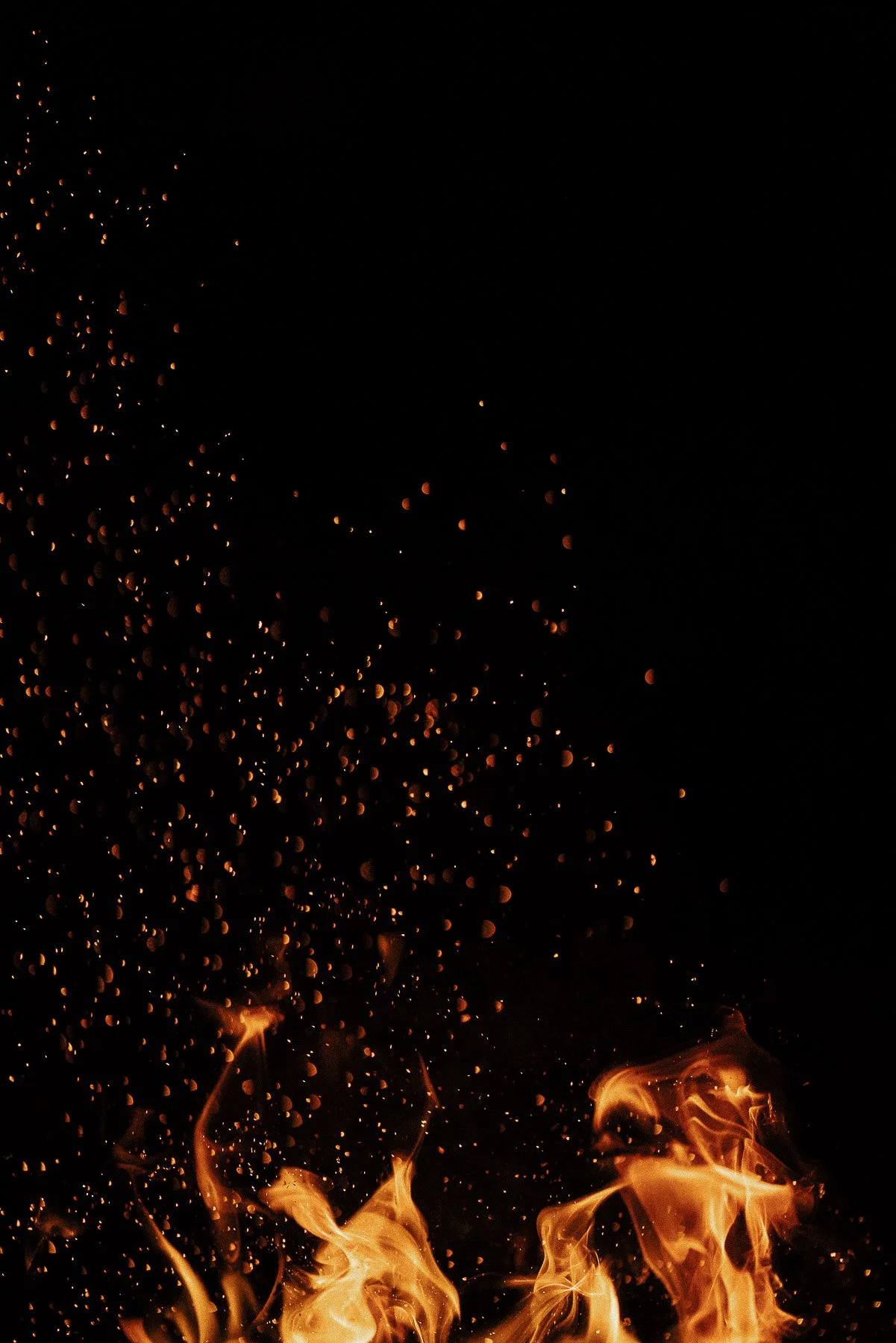
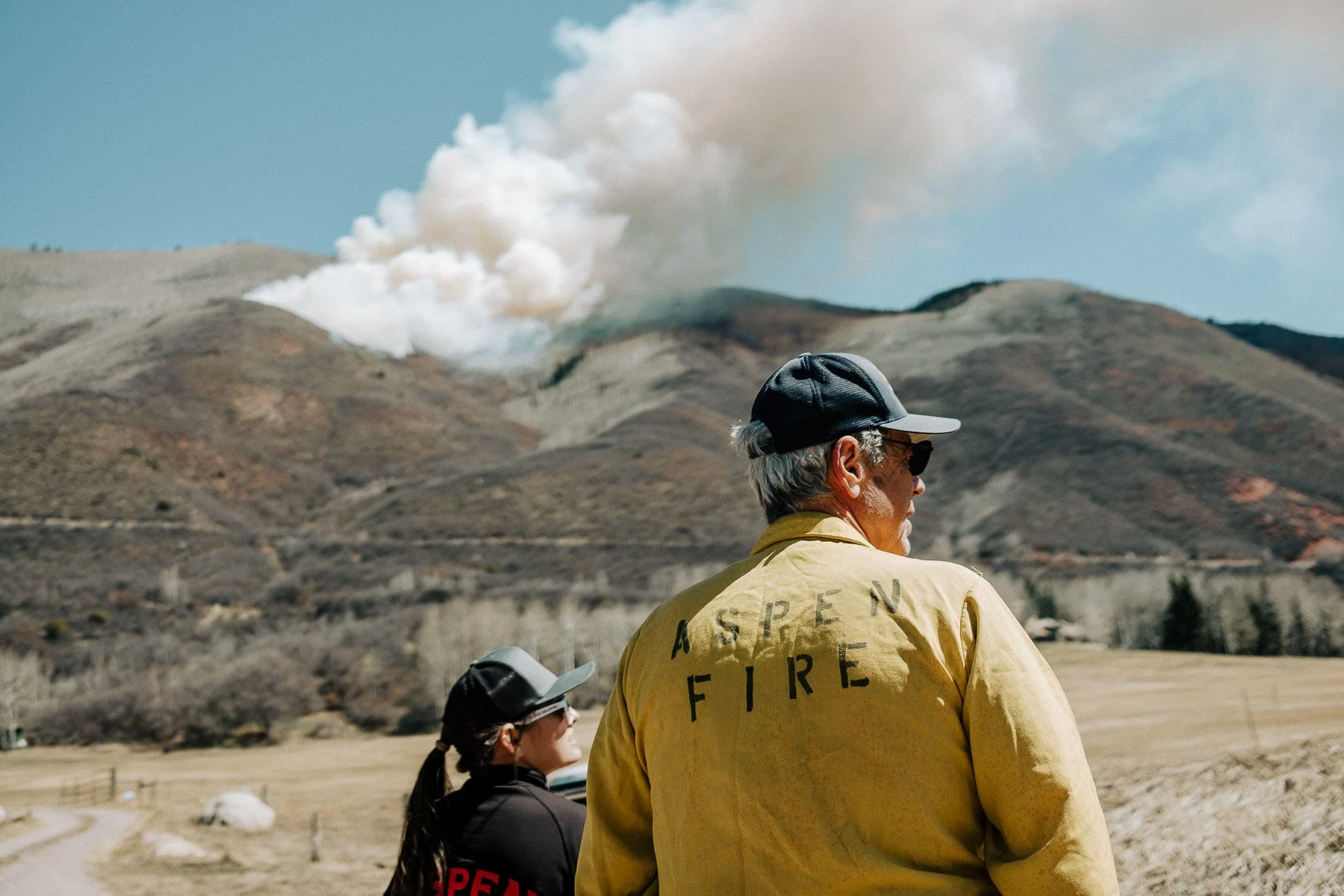
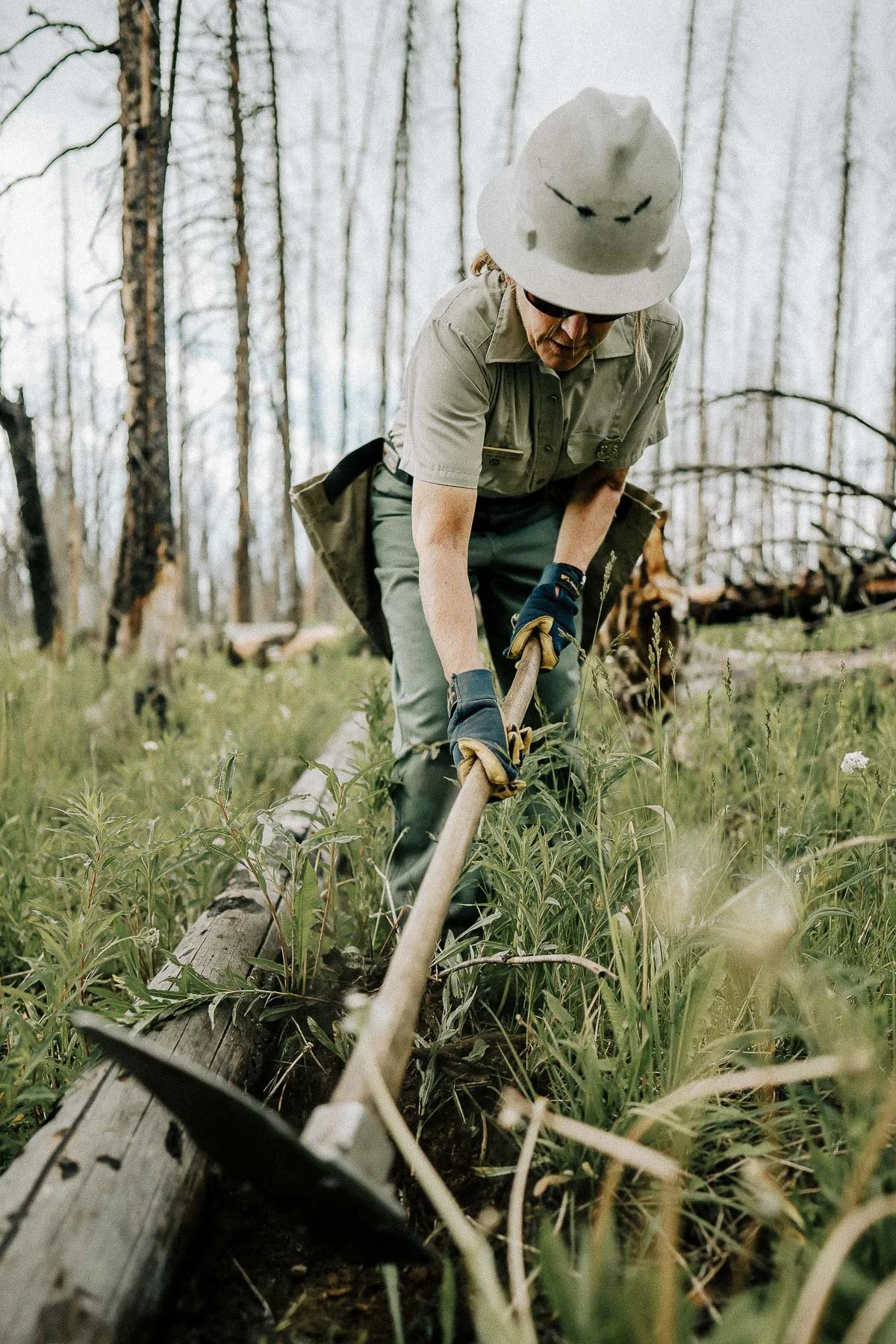
Through documenting wildfire mitigation efforts and the regrowth of burned landscapes, the project reflects how communities are adapting to these changing conditions. Collaboration with regional land management and fire organizations—including the Roaring Fork Fire Collaborative, the U.S. Forest Service, and the Aspen Center for Environmental Studies—provides insight into how landscapes are being actively managed in response to increasing climate instability. These efforts reveal a landscape shaped not only by disturbance, but also by stewardship, restoration, and resilience.
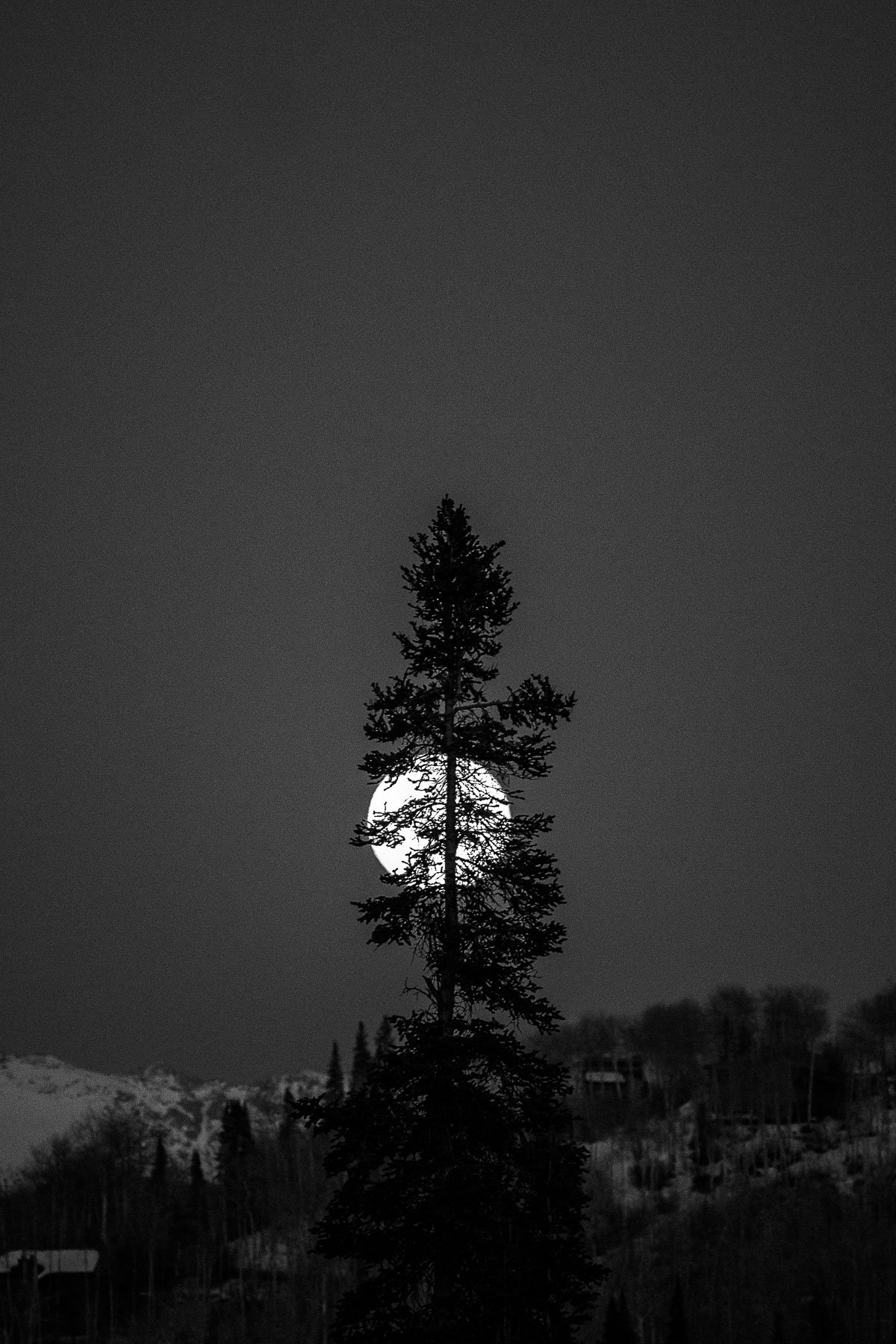
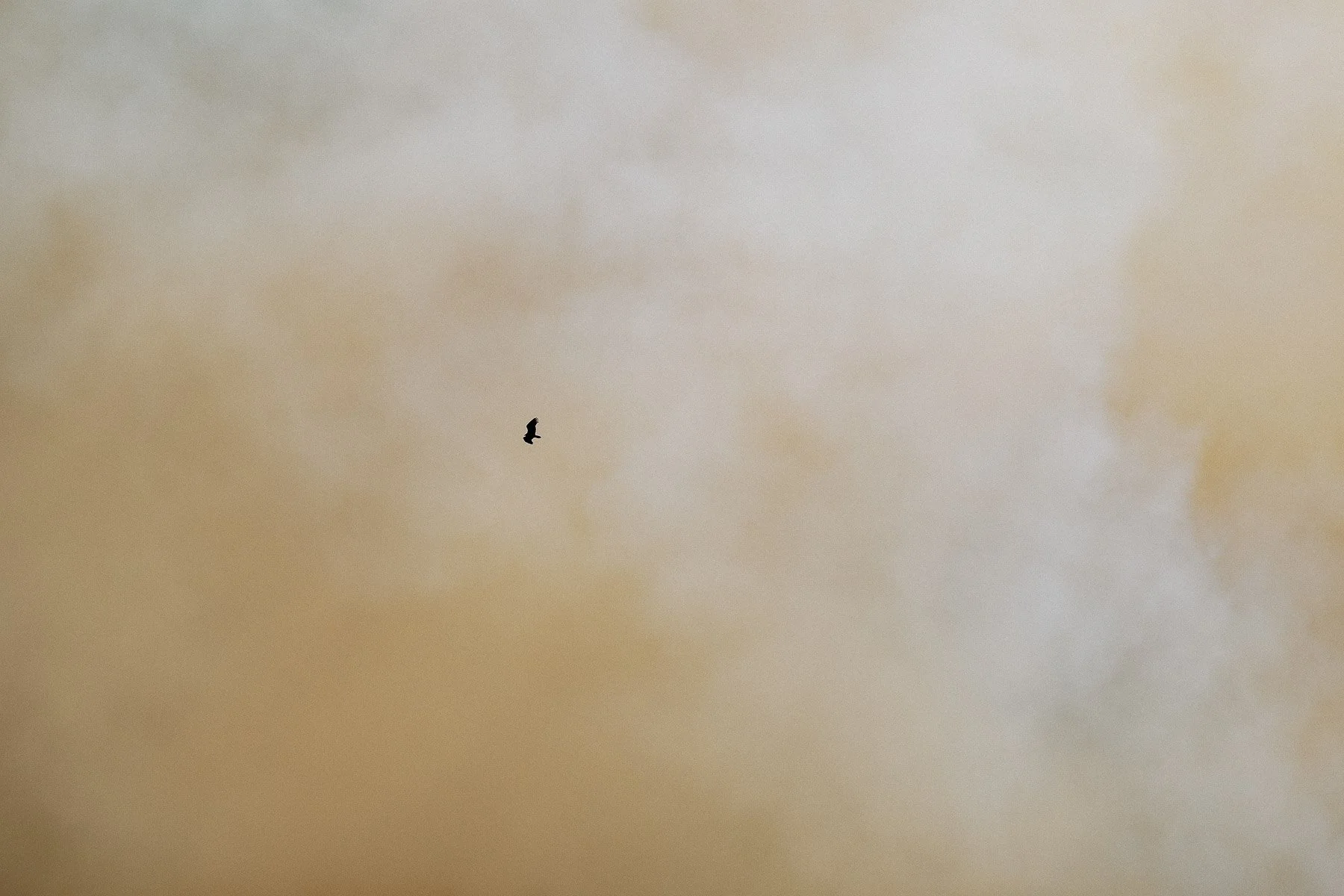
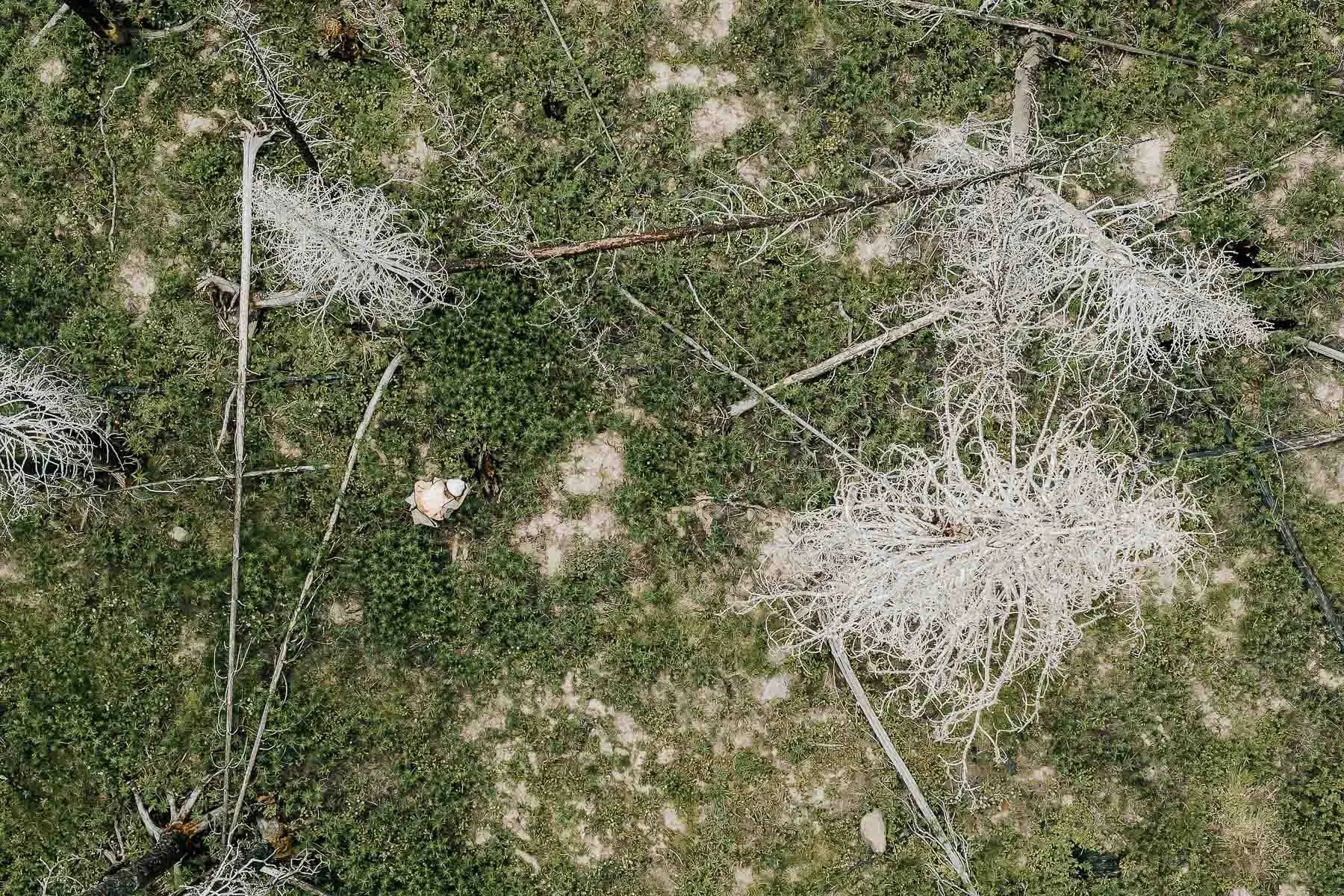
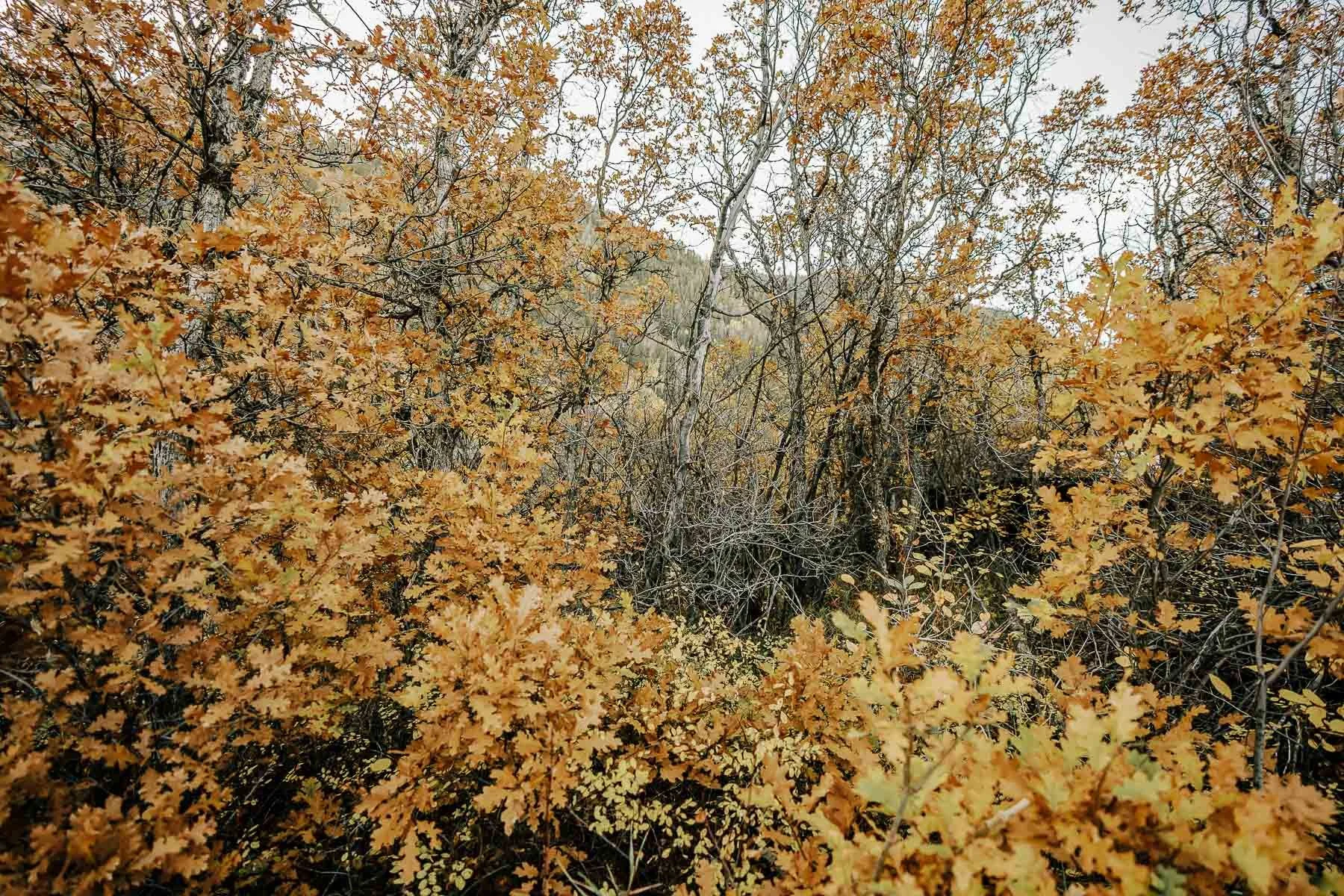
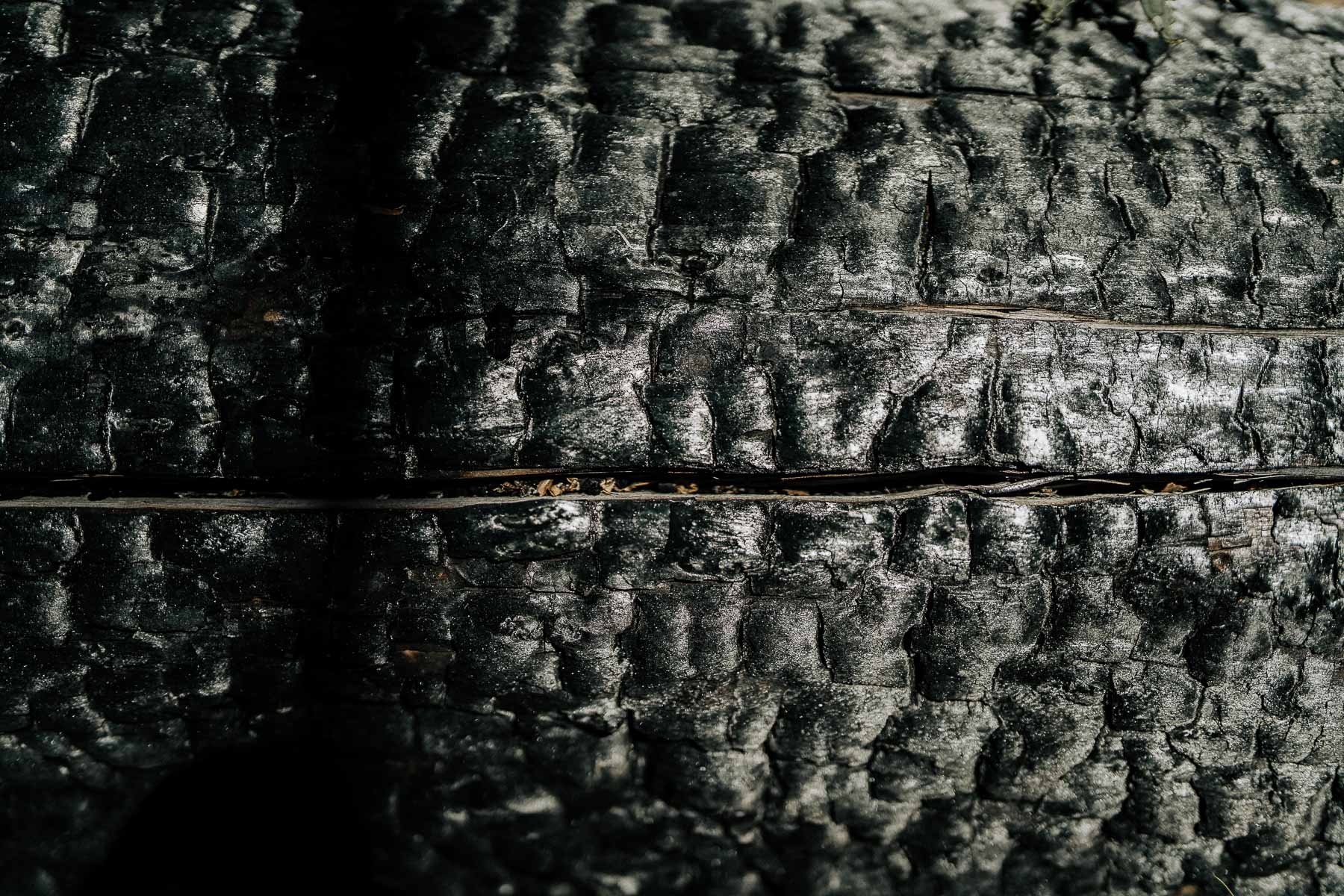
Rather than focusing on dramatic moments of disaster, the photographs examine what follows. I document landscapes in transition: forests marked by past fires, smoke-softened horizons, early snowmelt, and mountain valleys suspended between recovery and further stress. These images explore environmental instability not as a singular event, but as an ongoing condition that reshapes ecosystems and the communities that depend on them.
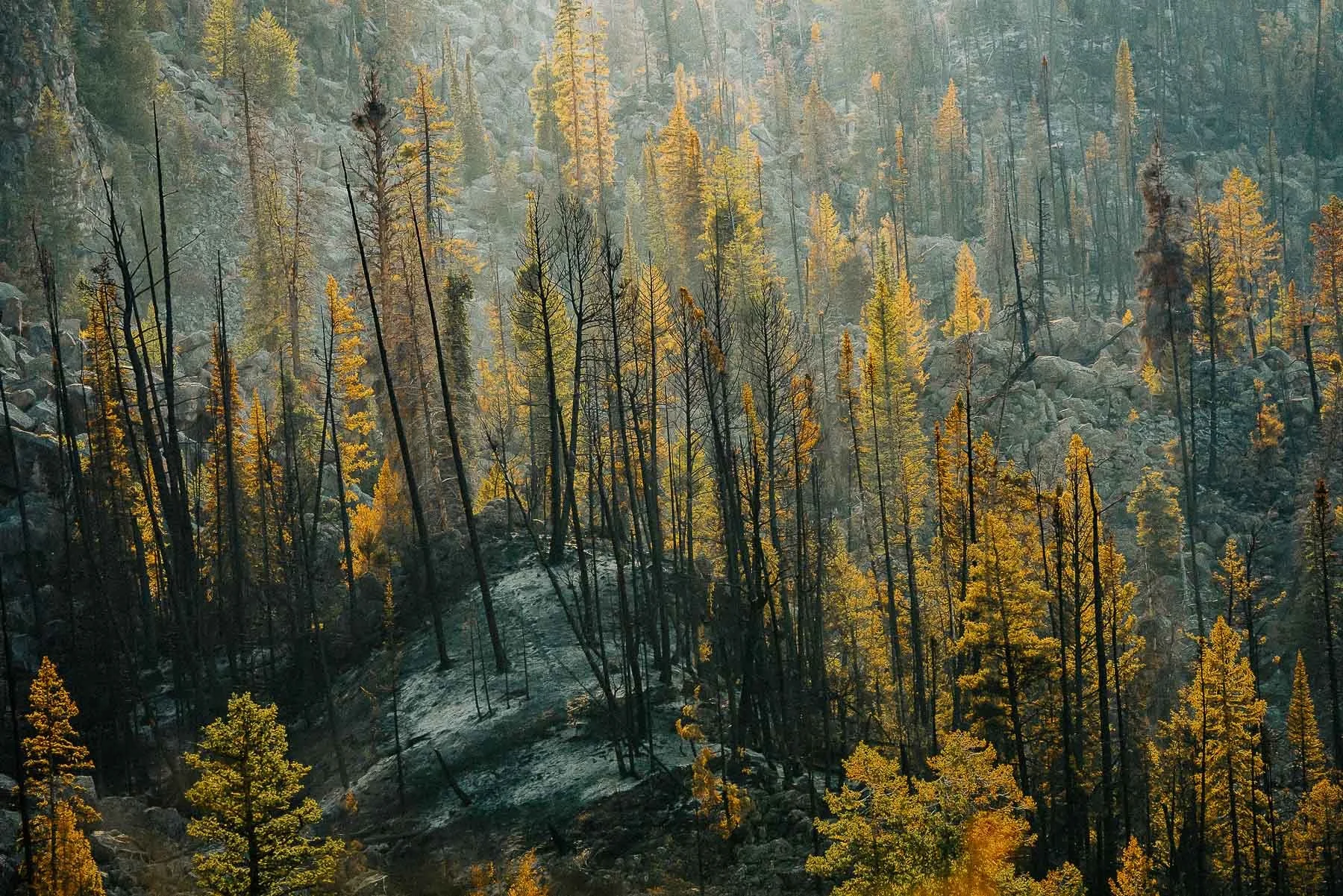
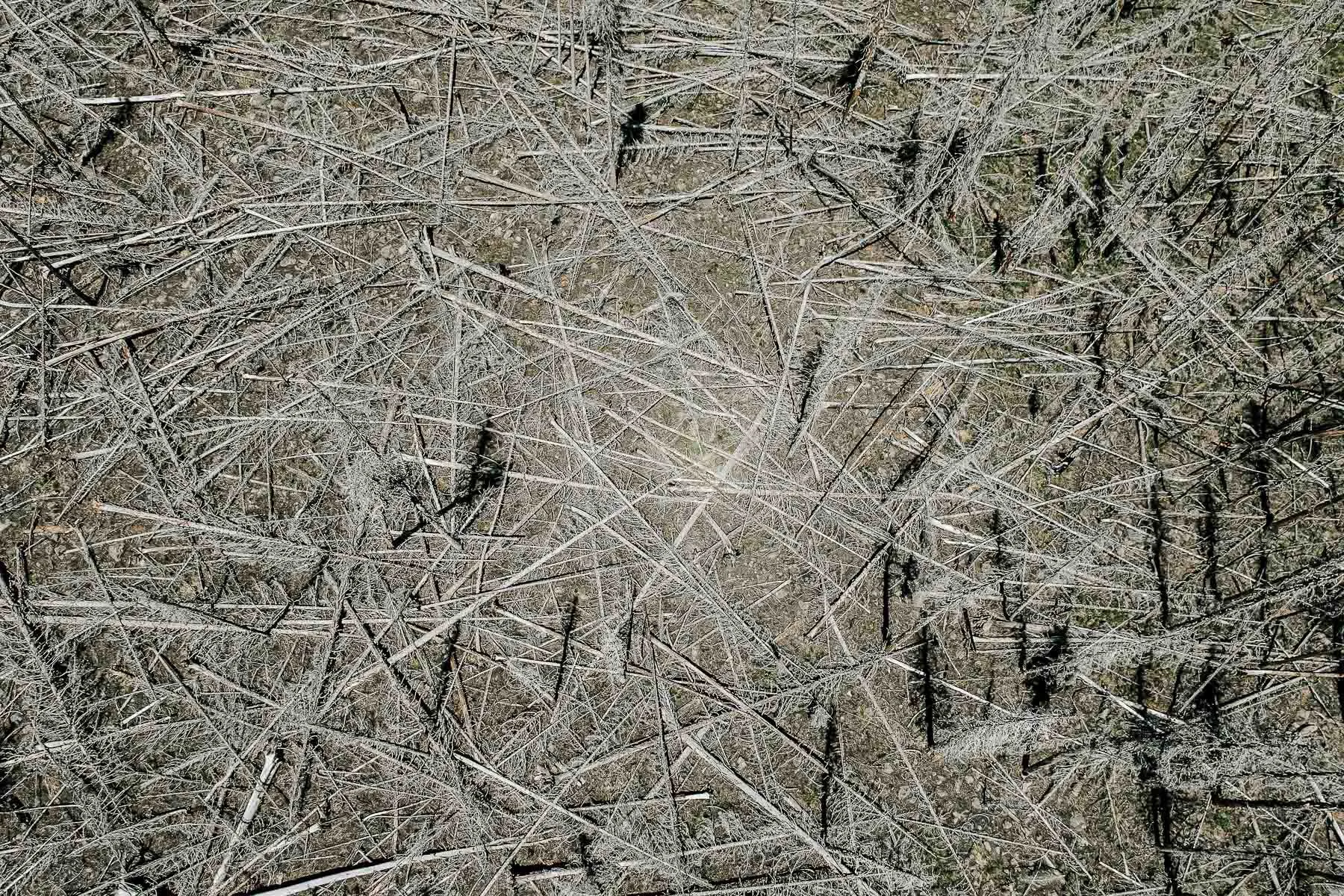

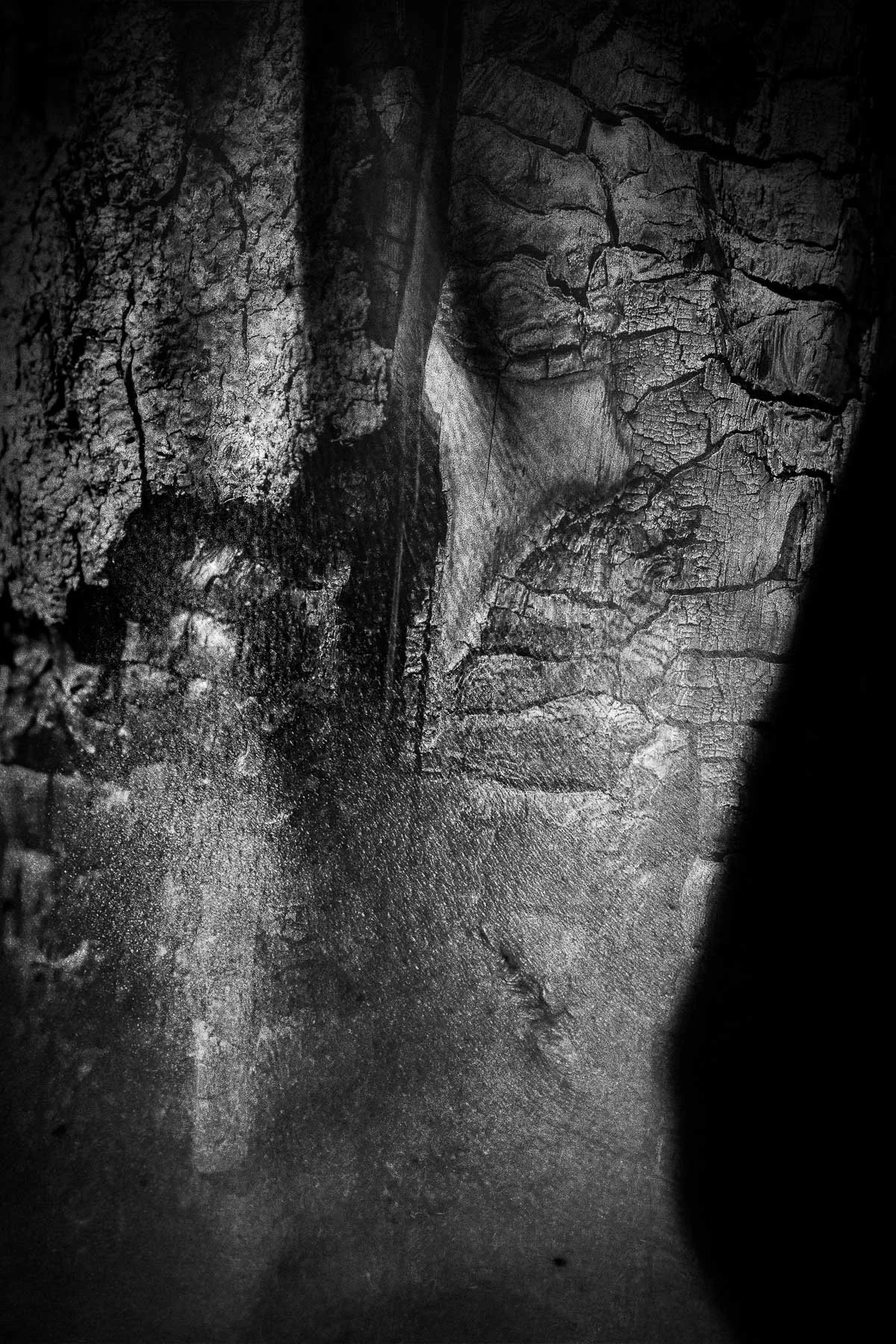
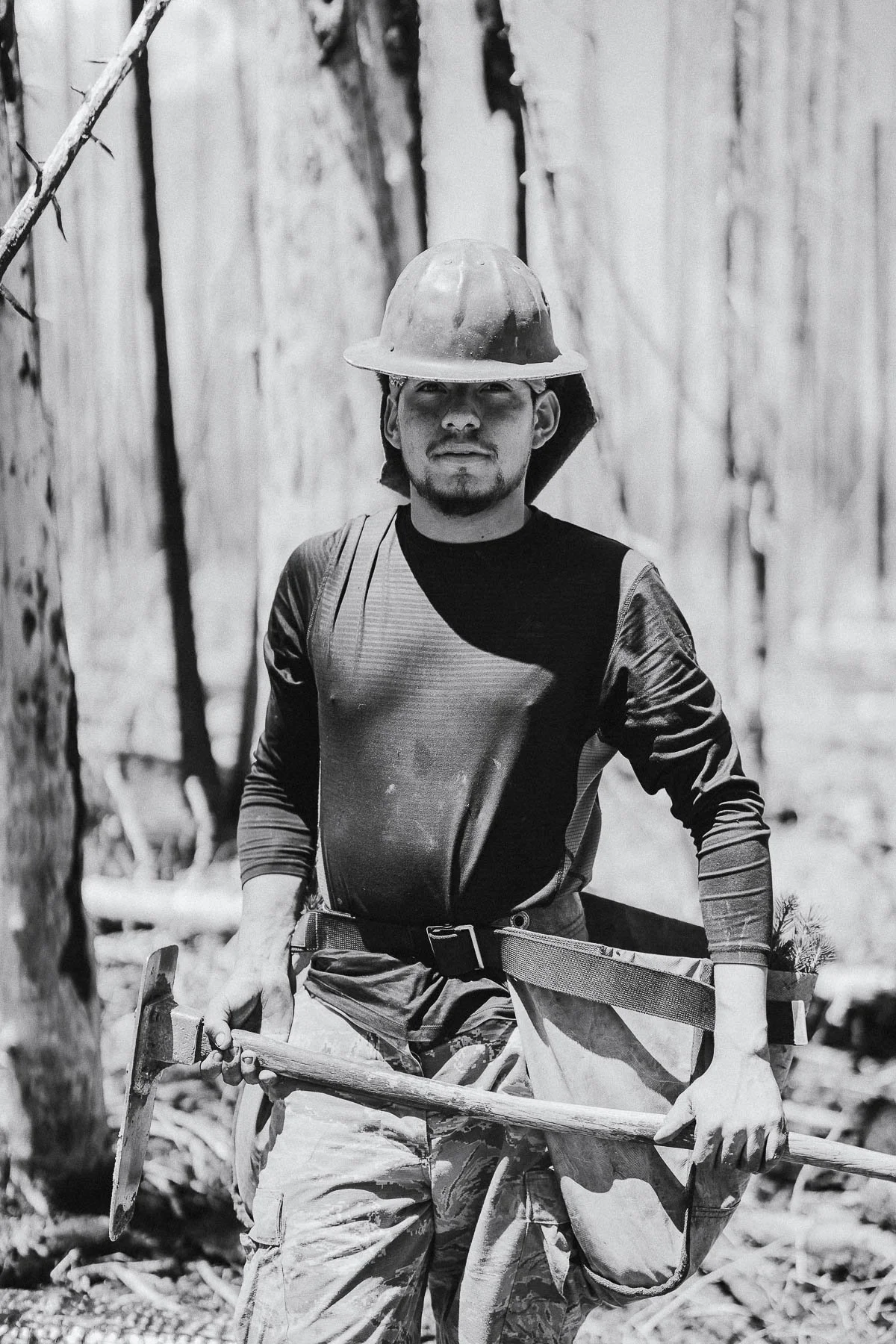
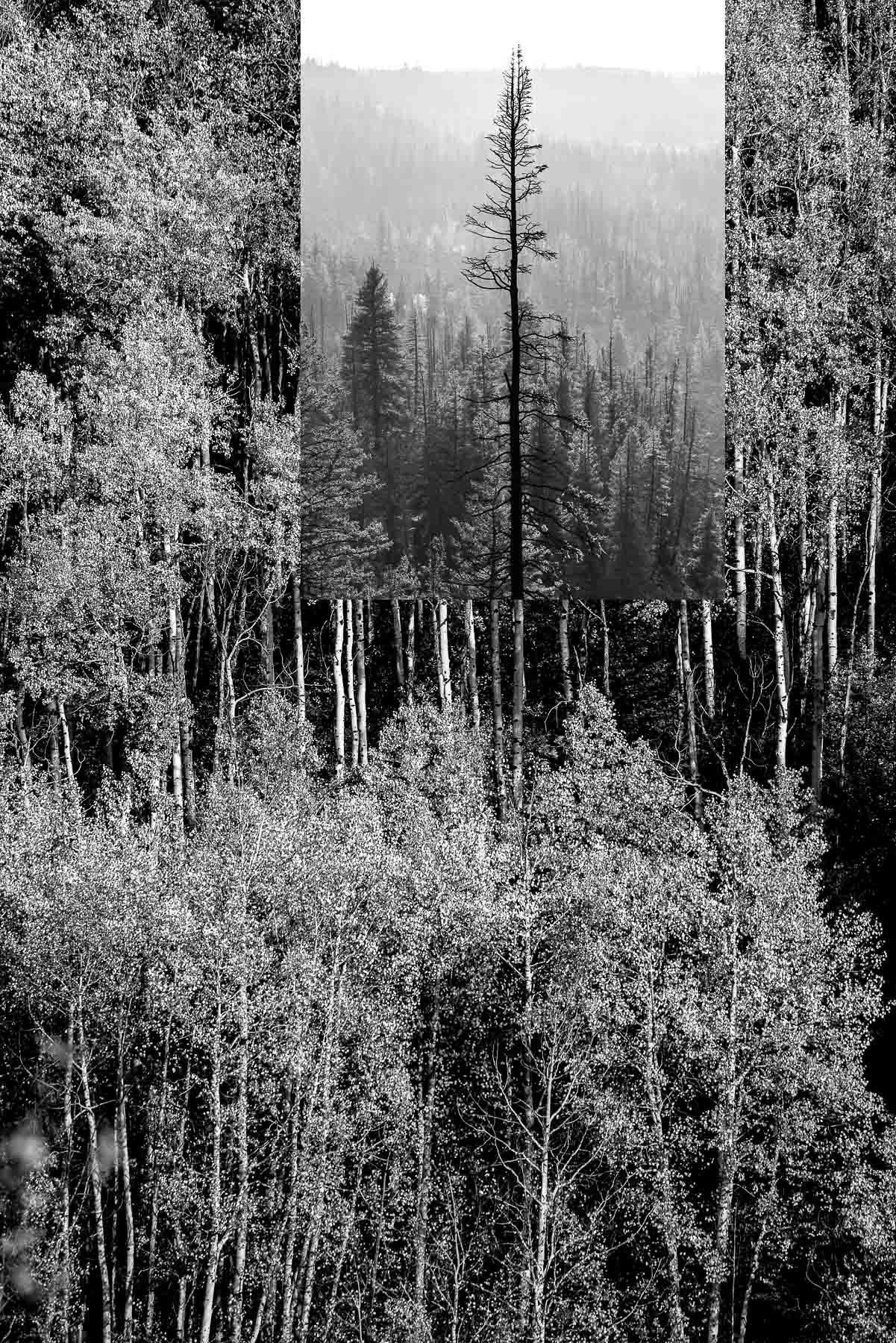


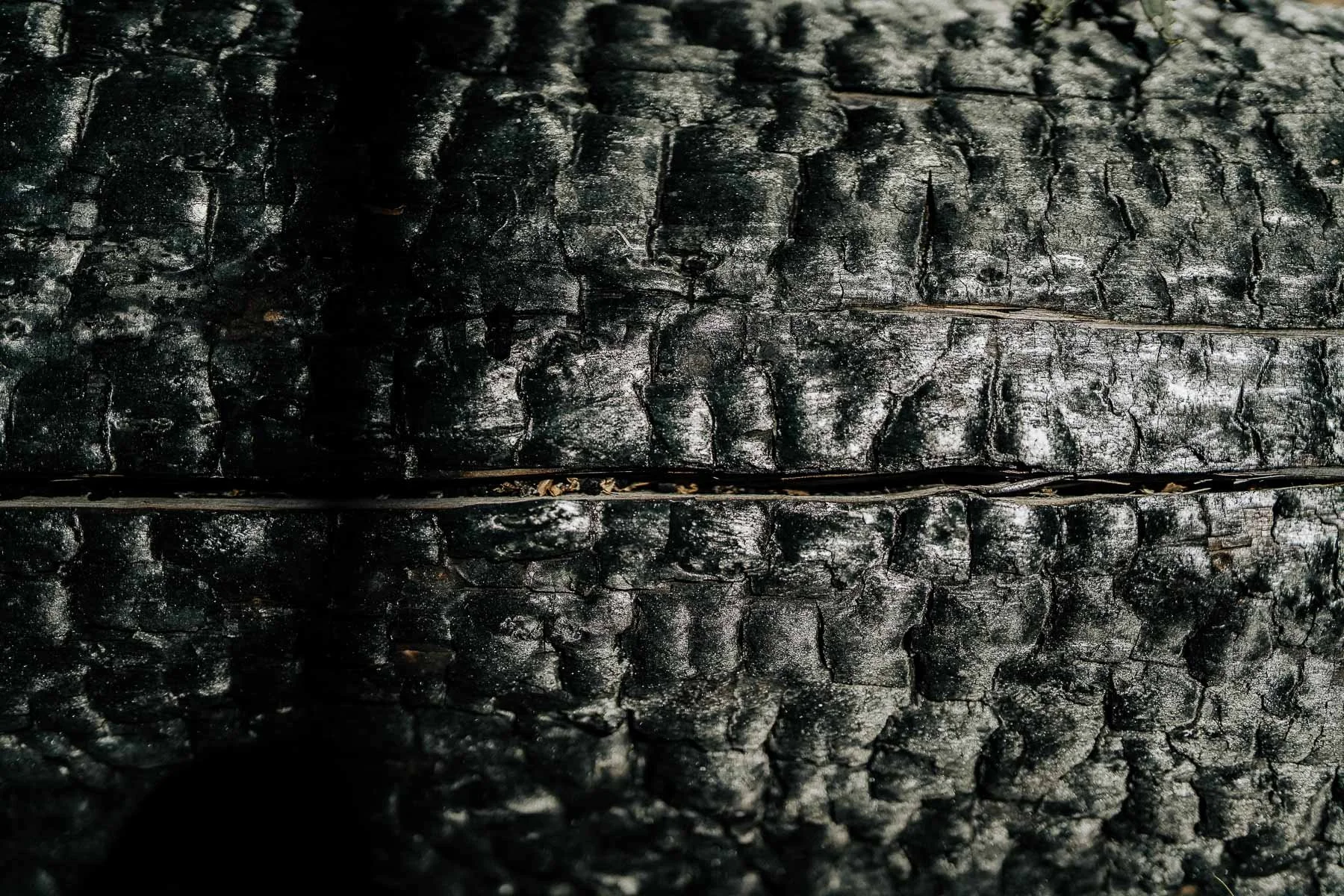


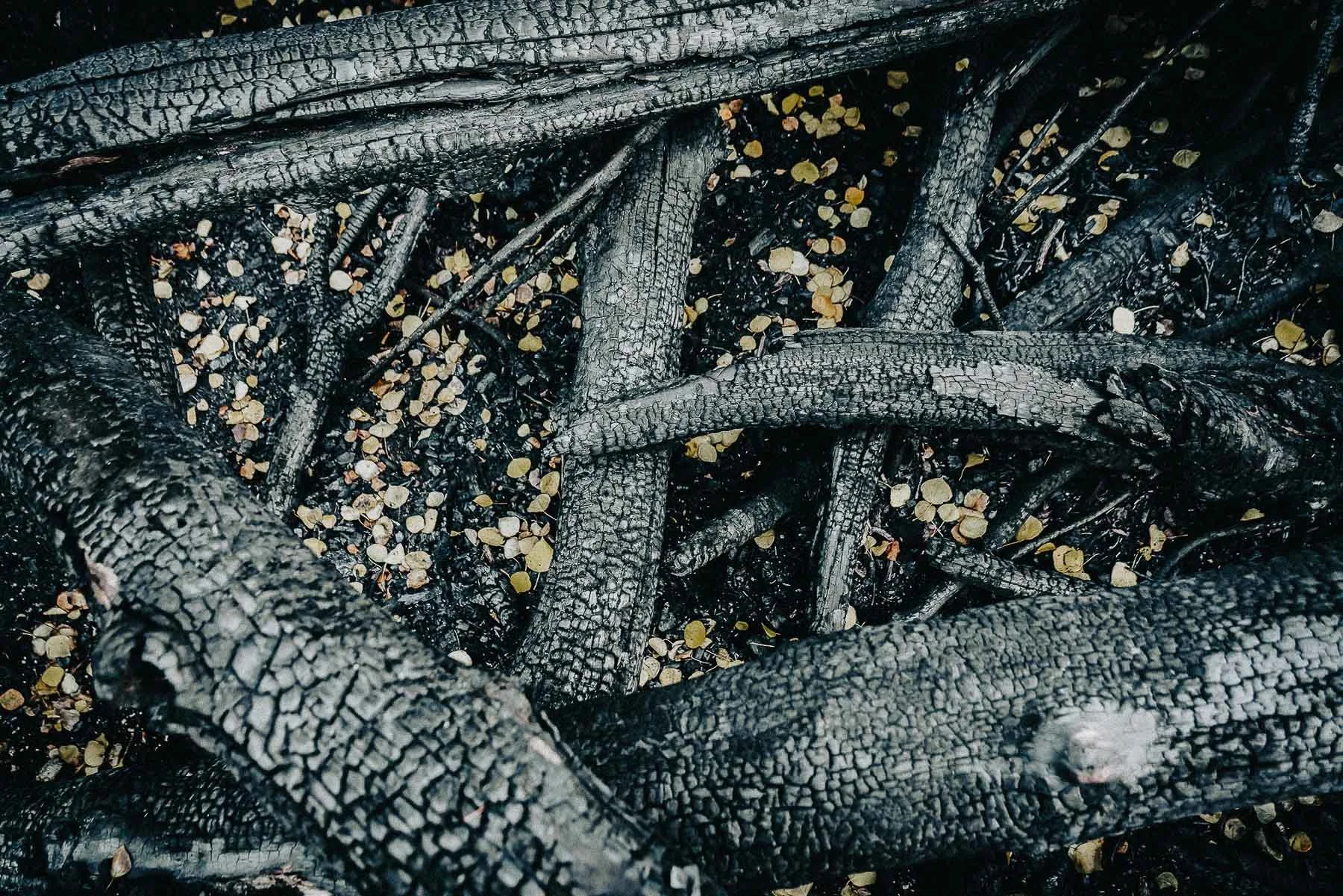
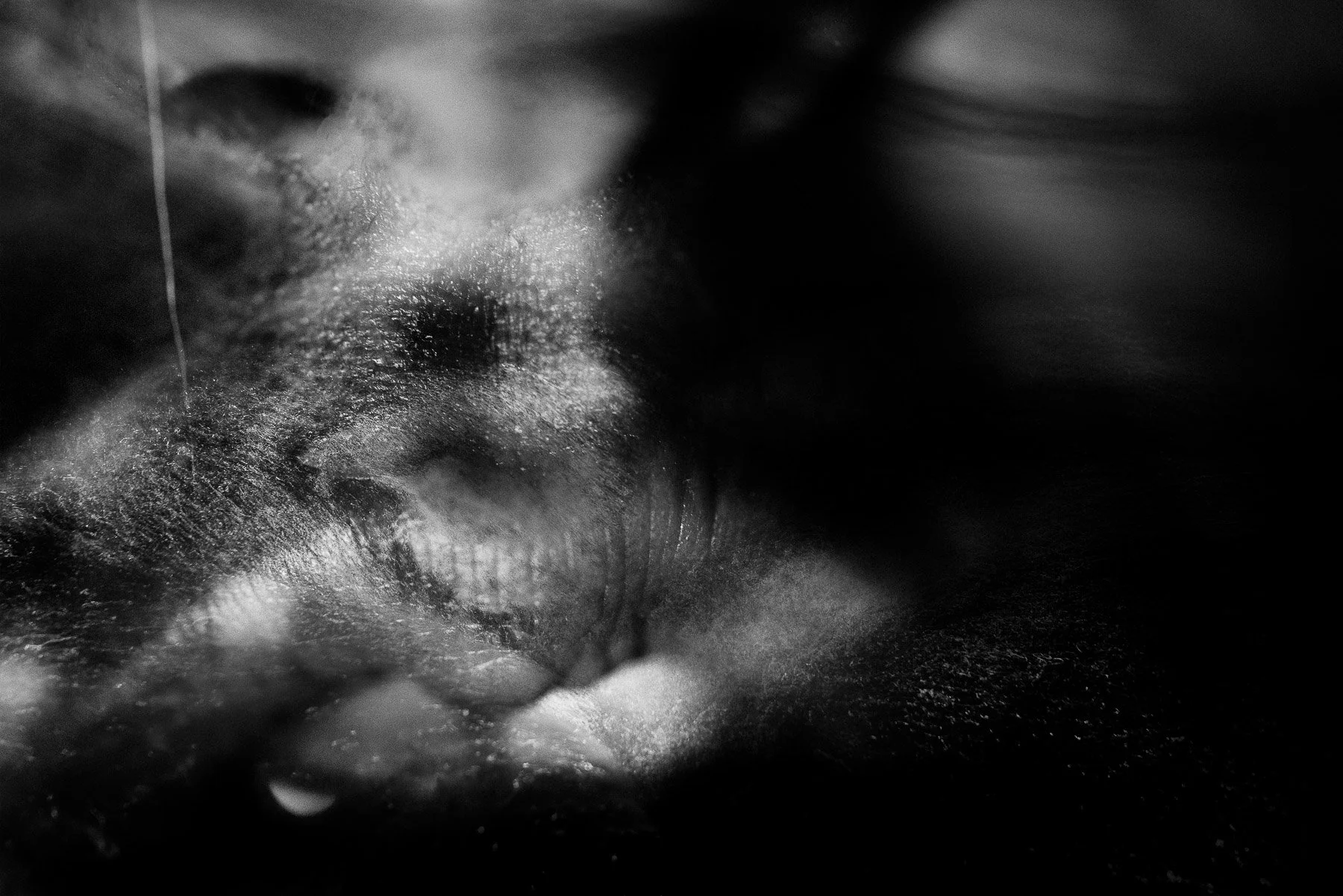
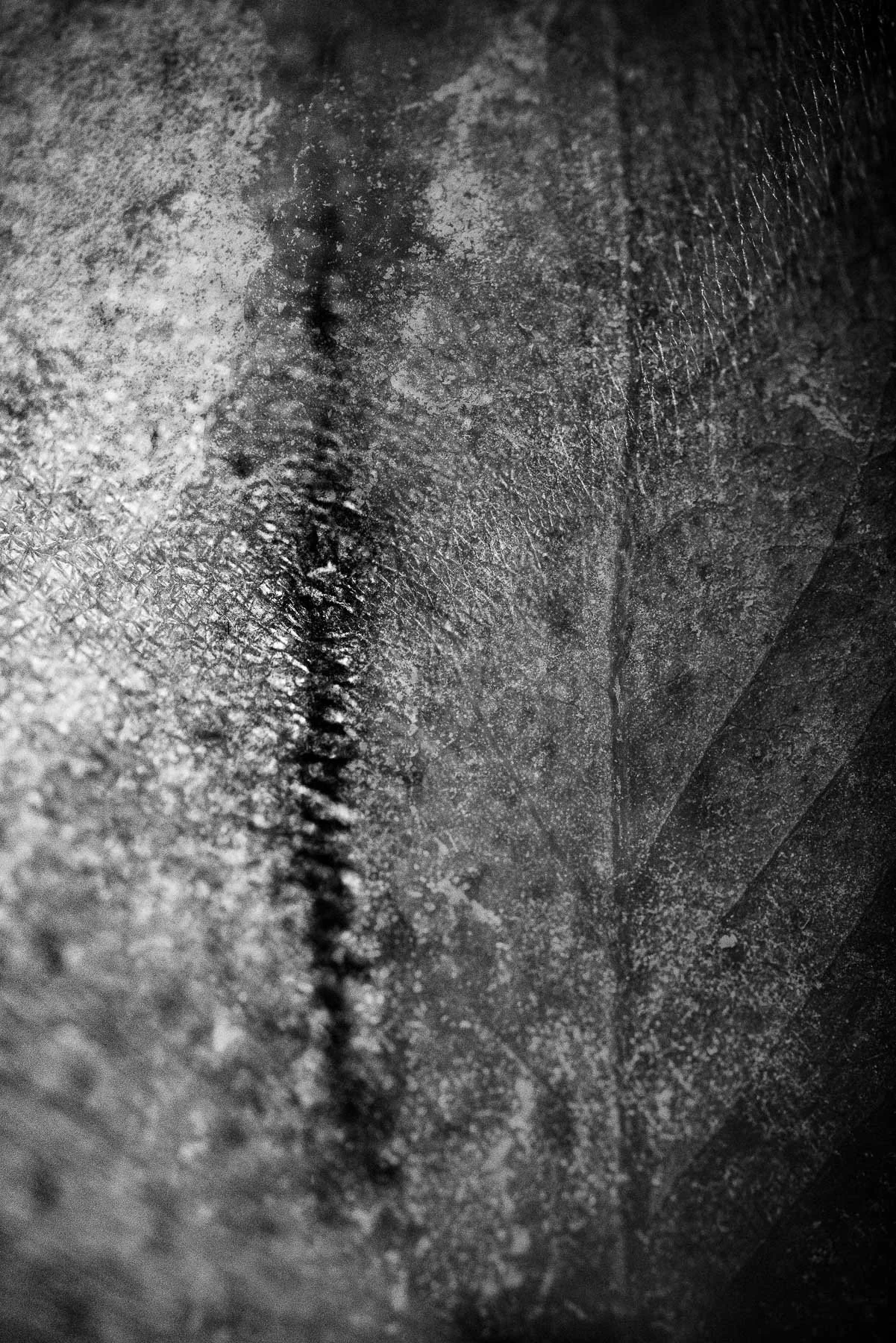
My photographic approach combines documentary observation with more interpretive methods. Using varied exposure times, I photograph moving clouds, flowing rivers, and shifting light in ways that blur the boundaries between past and present. These long exposures reflect the slow, cumulative nature of climate change—an environmental transformation that unfolds gradually and resists being understood through a single moment. The images move between recognizable landscapes and more abstract interpretations of natural processes, challenging viewers to reconsider how environmental change is experienced over time.
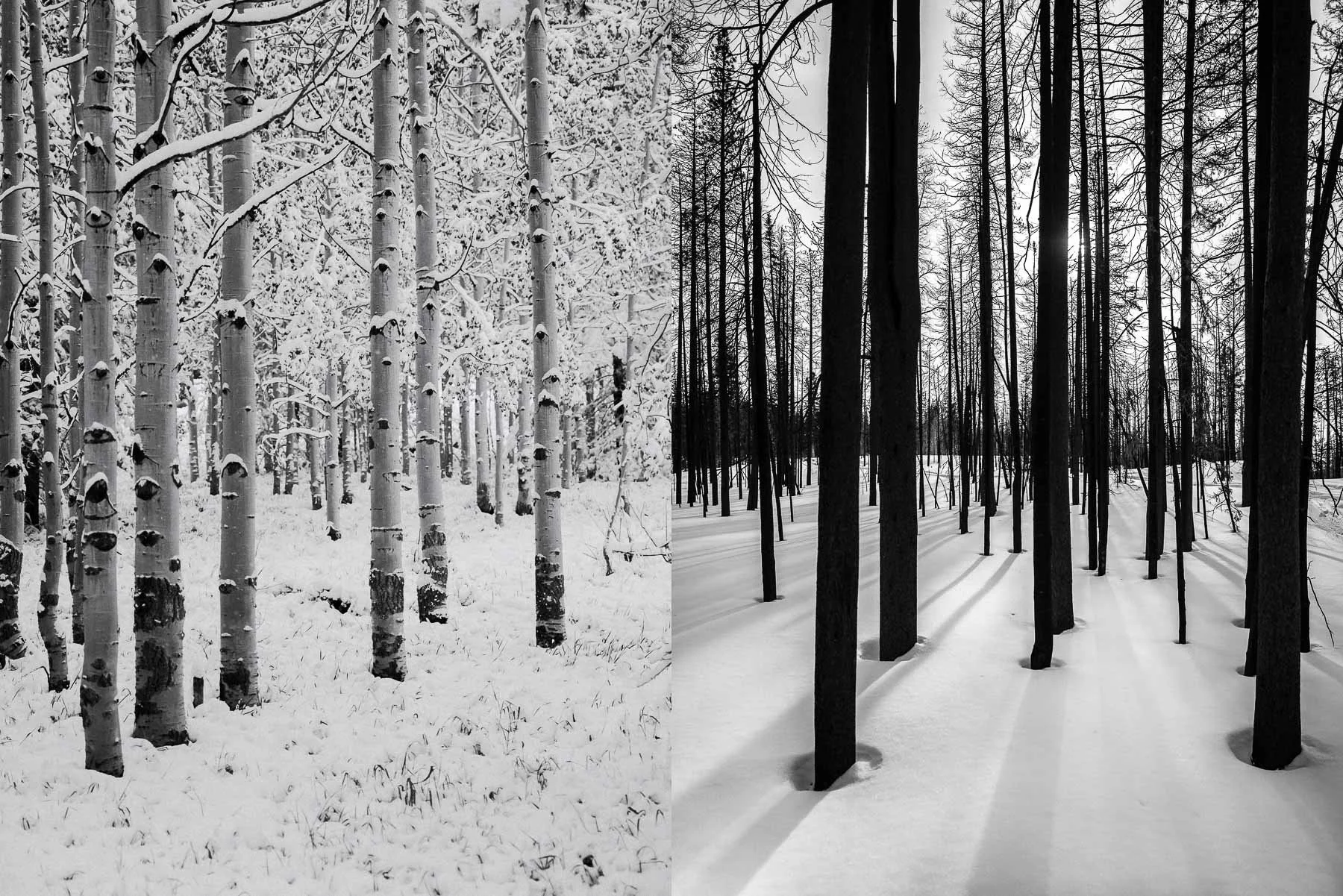
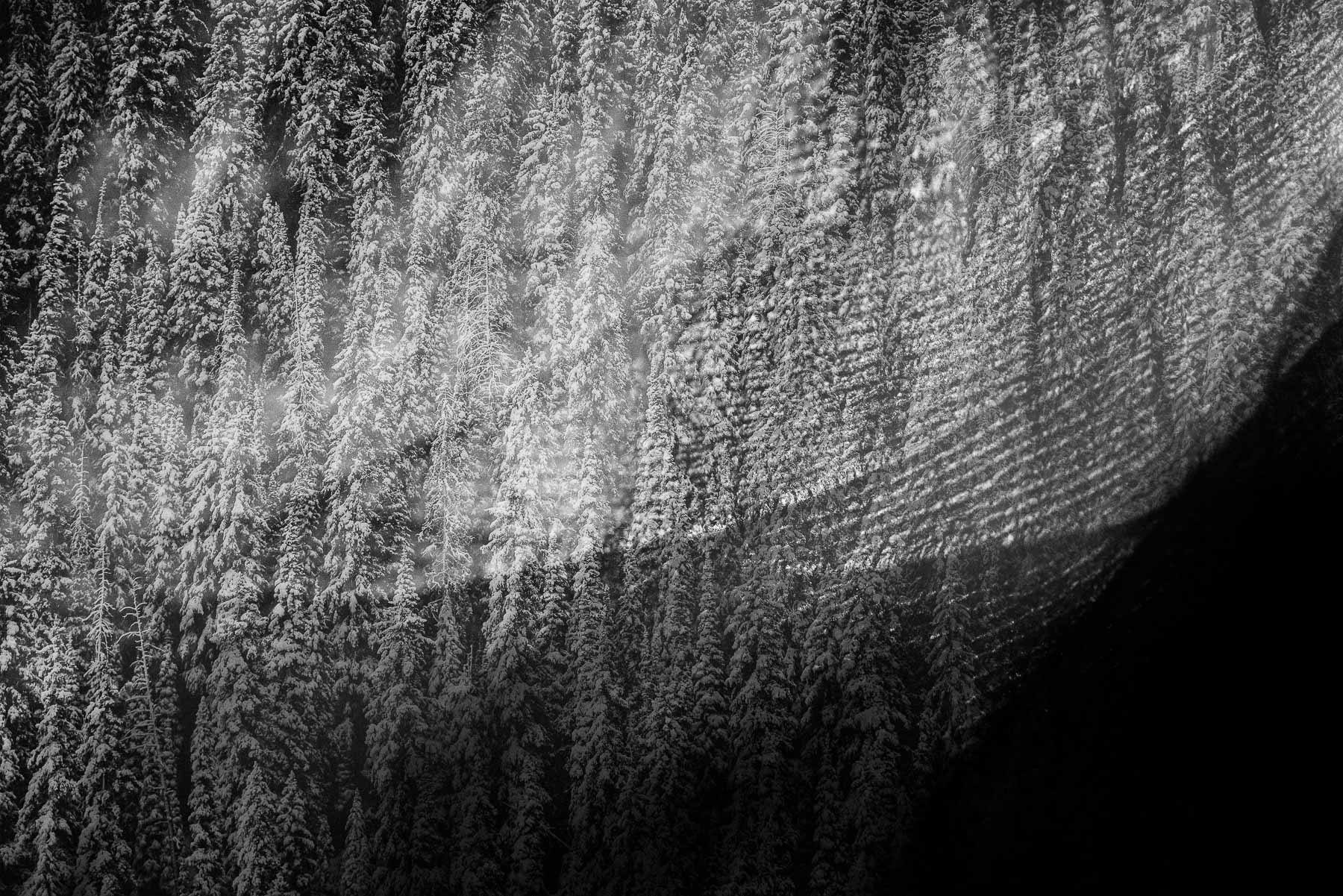


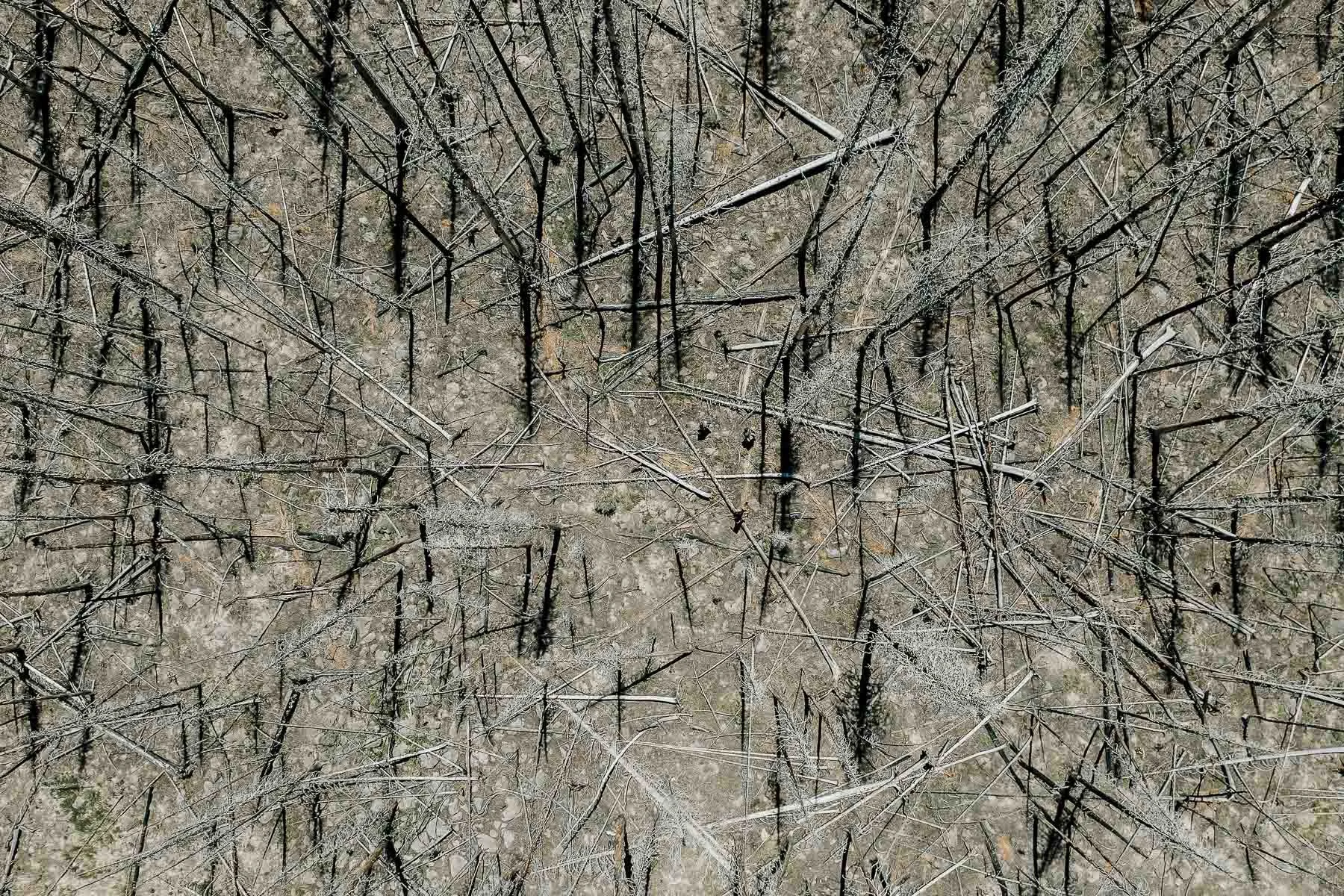

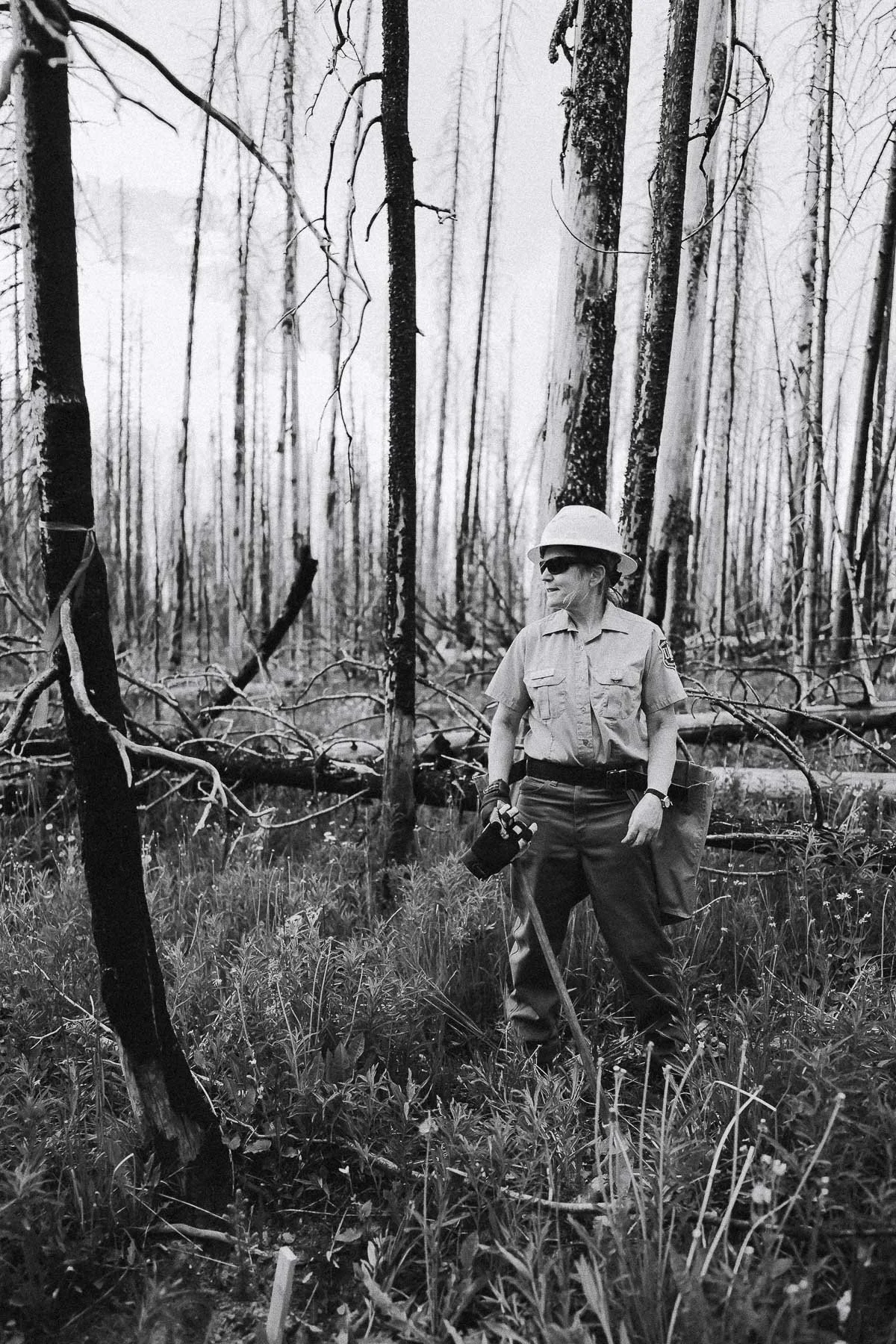
The project is rooted in long-term observation of the Roaring Fork Valley, where the relationship between snowpack, water availability, and wildfire risk is increasingly visible. In this landscape, winter snow determines the conditions of summer—governing water resources, ecosystem health, and the length of fire seasons. As snowpack declines, the delicate balance that sustains life in the region becomes increasingly fragile.
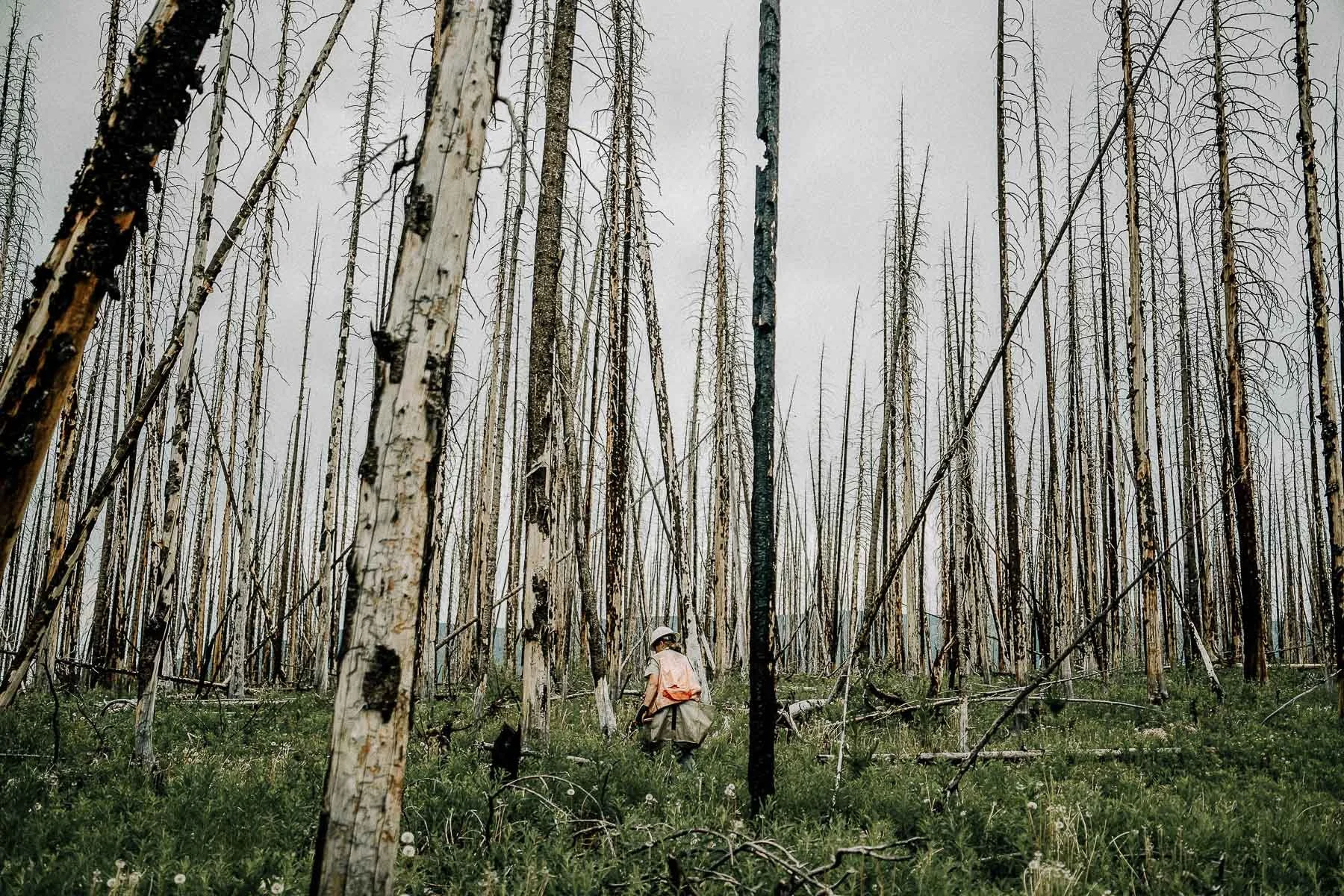
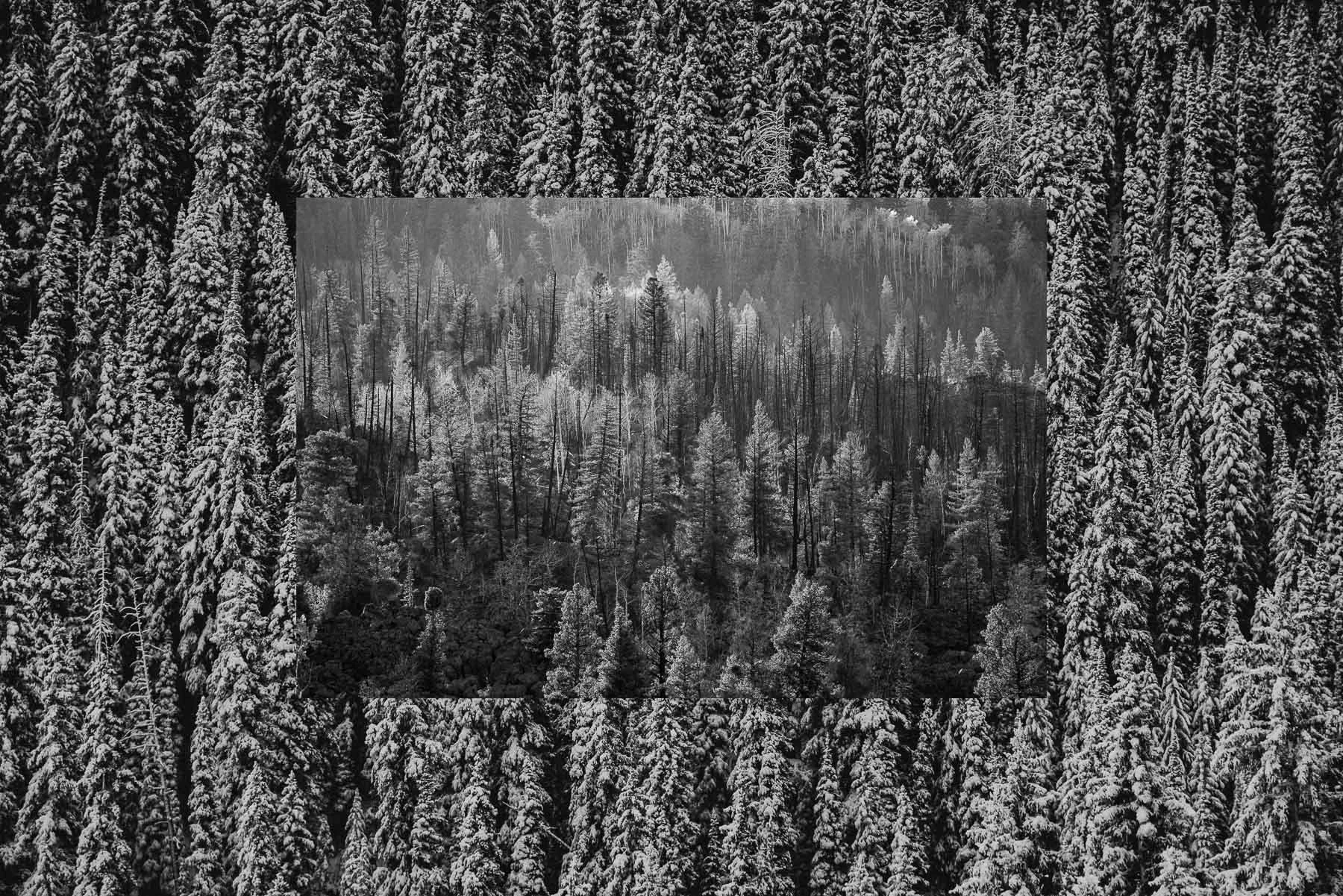


While grounded in one mountain watershed, the conditions documented here echo throughout the American West, where communities are confronting similar shifts in climate and water systems. By visualizing environmental change as a lived experience rather than a distant abstraction, Water in the West invites viewers to reconsider their relationship to the landscapes they inhabit—and to recognize what is at stake as the systems that sustain them continue to shift.